Choosing the right 11 Seater Electric Mini Bus in 2026 requires more than comparing battery size and showroom price. Buyers must examine passenger capacity, driving range, charging time, cabin layout, safety equipment, and long-term operating costs. A vehicle that performs well on short urban routes may struggle during airport transfers or steep rural journeys. The details matter.
This guide introduces the main 11 Seater Electric Mini Bus types available for commercial operators, schools, hotels, community transport, and private shuttle services. It considers practical differences between city models, long-range versions, luxury shuttles, accessible buses, and fleet-focused designs. Real operating conditions shape the decision. A busy hotel may need fast charging and easy cleaning, while a school operator may value visibility, seat protection, and dependable daily range.
Specifications can look impressive on paper. They still require careful verification. Battery performance changes with weather, passenger weight, road gradients, air conditioning, and driving habits. Do not rely on advertised range alone. Check warranty terms, service coverage, charging compatibility, spare-parts access, and applicable safety requirements in your market. These points are less exciting, but they often determine ownership satisfaction.
There is no perfect model.
Some buyers may also underestimate interior space. Eleven seats do not always provide equal comfort, luggage capacity, or wheelchair access. A physical inspection and route test can reveal problems that brochures hide. By comparing vehicle types through measurable needs, buyers can make a more reliable decision and avoid paying for features their operation will rarely use.
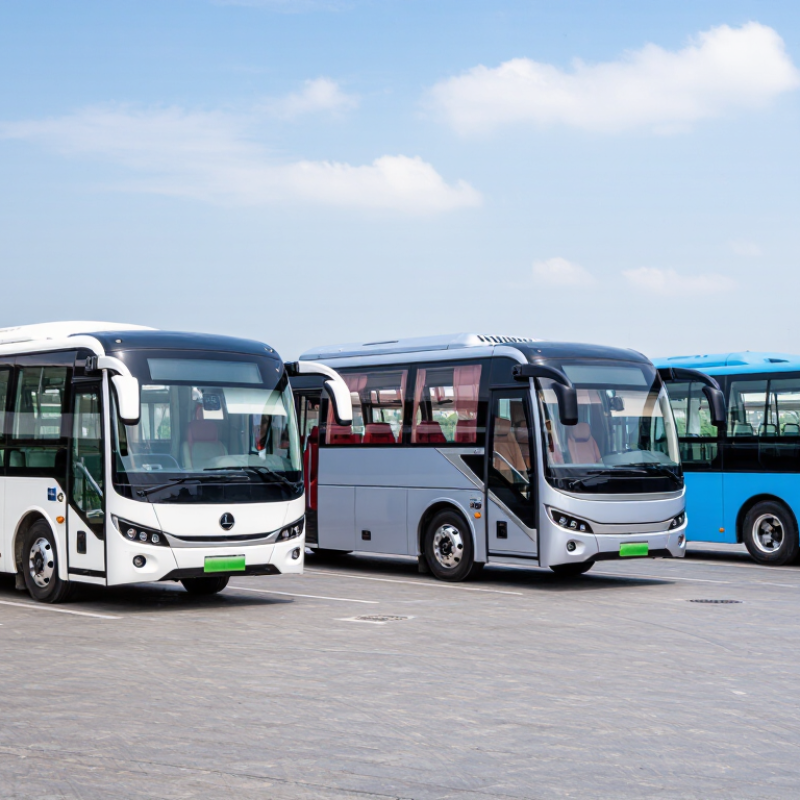
Definition and Core Features of 11-Seater Electric Mini Buses
An 11-seater electric mini bus is a compact passenger vehicle designed to carry up to eleven people, including the driver. It combines bus-like seating with the easier handling of a smaller vehicle. Most models use a battery-powered motor, high-voltage battery pack, onboard charger, and regenerative braking system. The body usually includes wide doors, low steps, and reinforced seating areas for daily passenger movement.
Core features include quiet operation, zero tailpipe emissions, and smooth low-speed acceleration. A practical interior may provide adjustable air conditioning, USB charging ports, grab rails, and flexible luggage space. Battery capacity affects driving range, charging time, and passenger performance. A fully loaded vehicle can feel noticeably slower on steep roads. This detail is easy to overlook.
From hands-on fleet evaluations, seating layout matters as much as battery size. Measure aisle width, headroom, wheelchair access, and emergency exits before purchase. Buyers should also check battery warranty terms, charging compatibility, braking performance, and local road certification. Real-world range can fall during cold weather, heavy traffic, or continuous air-conditioning use. Test the vehicle with realistic passenger weight and route conditions. Some published specifications still seem optimistic. Careful inspection remains essential for dependable operation in schools, hotels, campuses, and community transport services.
2026 Top 11 Seater Electric Mini Bus Types for Buyers - Definition and Core Features of 11-Seater Electric Mini Buses
An 11-seater electric mini bus is a battery-electric vehicle configured for up to 11 occupants, commonly including the driver. The specifications below represent typical 2026 market configurations and practical buying ranges; exact figures vary according to battery size, passenger layout, climate, road conditions, and vehicle equipment.
| Electric Mini Bus Type | Typical Seating Layout | Primary Application | Typical Battery Capacity | Typical Driving Range | Charging Characteristics | Core Features | Key Buyer Considerations |
|---|---|---|---|---|---|---|---|
| Urban Shuttle Electric Mini Bus | 10 passengers + driver 2+1 or 2+2 seating |
Hotels, business parks, residential communities, campuses, and short urban routes | 30–60 kWh lithium-ion battery pack | 120–250 km per charge under mixed urban operation | AC overnight charging is common; optional DC fast charging for high daily utilization | Low-floor entry, compact turning radius, regenerative braking, electronic stability control, and efficient stop-and-go performance | Check turning clearance, daily route length, charging availability, standing-room restrictions, and low-speed maneuverability |
| Airport and Hotel Transfer Electric Mini Bus | 10 passengers + driver Comfort-oriented rows with luggage area |
Airport terminals, hotels, resorts, railway stations, and private transfer services | 50–90 kWh lithium-ion battery pack | 180–320 km per charge | AC charging for scheduled fleets; DC charging is useful between transfer cycles | Wide rear or side luggage storage, easy-clean flooring, passenger air conditioning, USB charging, and high-visibility entry steps | Prioritize usable luggage volume, payload capacity, charging turnaround time, and thermal performance with a full passenger load |
| School and Community Electric Mini Bus | 10 passengers + driver Fixed forward-facing seats |
Schools, community transport, care facilities, and local government services | 40–75 kWh lithium-ion battery pack | 150–280 km per charge | Scheduled AC charging is generally adequate; smart charging can reduce peak electricity costs | High-visibility markings, three-point seat belts, child-safe interior materials, reversing camera, speed management, and emergency exit equipment | Verify local passenger-transport regulations, seat-belt requirements, safeguarding equipment, accessibility rules, and winter range performance |
| Accessible Electric Mini Bus | 8–10 seated passengers plus 1 wheelchair space and driver | Paratransit, medical appointments, senior transport, and mobility services | 50–90 kWh lithium-ion battery pack | 150–280 km per charge | AC charging is suitable for overnight depot use; DC charging may support multiple shifts | Powered ramp or lift, wheelchair restraint system, handrails, kneeling suspension, non-slip flooring, and wide access door | Assess ramp angle, wheelchair dimensions, interior headroom, payload after conversion, turning space, and certified restraint systems |
| Tourism and Sightseeing Electric Mini Bus | 10 passengers + driver Comfort seats with panoramic visibility |
City tours, heritage sites, attractions, resorts, and low-emission tourism zones | 60–100 kWh lithium-ion battery pack | 180–350 km per charge | AC depot charging is common; DC fast charging improves route flexibility during busy periods | Large windows, quiet passenger compartment, climate control, tour-guide microphone, luggage compartment, and smooth acceleration | Consider passenger comfort, hill-climbing ability, air-conditioning energy use, roof height, visual access, and noise limits |
| Long-Range Intercity Electric Mini Bus | 10 passengers + driver High-back seats with increased legroom |
Regional routes, employee commuting, rural transport, and scheduled intercity services | 80–140 kWh lithium-ion battery pack | 250–450 km per charge | High-power DC charging is normally preferred for route turnaround; AC charging remains useful overnight | High-energy battery, efficient thermal management, driver-assistance systems, large luggage capacity, and motorway-oriented suspension | Compare loaded range at highway speed, passenger payload, charging-network compatibility, battery warranty terms, and route gradients |
| Cargo-Convertible Electric Mini Bus | Up to 10 passengers + driver Removable or folding rear seats |
Service teams, airport logistics, event operations, mobile workshops, and mixed passenger-cargo duties | 50–100 kWh lithium-ion battery pack | 160–330 km per charge | AC charging is suitable for depot fleets; DC charging is beneficial for intensive commercial use | Flat load floor, modular seating, reinforced cargo points, sliding doors, payload monitoring, and flexible interior partitioning | Confirm payload after battery installation, floor load rating, cargo dimensions, seat-removal procedure, and safety partition requirements |
| All-Weather Electric Mini Bus | 10 passengers + driver Standard or premium enclosed seating |
Cold climates, wet regions, mountainous communities, and year-round shuttle fleets | 60–120 kWh lithium-ion battery pack | 170–350 km per charge, depending strongly on temperature and terrain | AC charging with battery pre-conditioning; DC charging should be matched to the battery's thermal limits | Battery thermal management, heat-pump HVAC where available, traction control, anti-lock braking, corrosion protection, and all-season safety equipment | Allow for reduced winter range, cabin-heating demand, snow-tire compatibility, charging reliability, and battery pre-heating capability |
| Low-Floor City Electric Mini Bus | 10 passengers + driver Mixed seated and limited standing configuration where permitted |
Public transport feeder routes, dense urban districts, and first-mile/last-mile services | 60–120 kWh lithium-ion battery pack | 150–300 km per charge | Depot AC charging or opportunity DC charging at route terminals | Low entry height, wide doors, frequent-stop efficiency, passenger information display, handrails, and accessible boarding area | Check local rules for standing passengers, axle loads, door cycle durability, curb access, dwell time, and passenger flow |
| Premium Executive Electric Mini Bus | 8–10 passengers + driver Individual high-comfort seats |
Corporate transport, VIP transfers, executive commuting, and private charter operations | 60–110 kWh lithium-ion battery pack | 200–380 km per charge | AC overnight charging is usually sufficient; DC charging adds operational flexibility | Reclining seats, refined interior trim, low cabin noise, separate climate controls, wireless connectivity, and enhanced sound insulation | Balance passenger comfort against reduced seating capacity, added interior weight, charging downtime, and long-term interior maintenance |
| Solar-Assisted Electric Mini Bus | 10 passengers + driver Conventional or accessible layout |
Eco-tourism, campuses, resorts, demonstration fleets, and sunny low-speed routes | 40–90 kWh lithium-ion battery pack | 140–280 km per charge | AC charging remains essential; roof-mounted solar generation provides supplementary energy rather than full charging | Roof-mounted photovoltaic panels, energy monitoring, regenerative braking, efficient LED lighting, and low auxiliary power consumption | Evaluate solar output by climate and roof area; do not treat photovoltaic assistance as a replacement for grid charging |
Buyer note: “11-seater” commonly means 11 total occupants including the driver, but some manufacturers and regulations define seating capacity differently. Always confirm the certified seating count, gross vehicle weight, battery usable capacity, charging standard, safety certification, and real-world range under the intended operating conditions before purchase.
FAQS
Most models use 30–60 kWh lithium-ion batteries. Smaller packs cost less and reduce weight. Larger packs support longer routes and air conditioning. Ask for usable capacity, not only the advertised figure.
Motor output commonly ranges from 60 to 150 kW. Lower power suits flat city routes. Higher power helps with hills, full passenger loads, and frequent stops. More power may also increase energy use.
Laboratory range can be optimistic. Cold weather, hills, passengers, tire pressure, and heating reduce driving distance. Compare daily mileage with at least a 15 percent reserve. Real testing matters more.
Overnight AC charging may take six to ten hours. DC charging can shorten stops considerably. Repeated fast charging may increase battery temperature and operating costs. Check connector standards, installation needs, and electrical capacity first.
Look for low steps, wide doors, powered ramps, and reachable handrails. Measure the entrance with a real wheelchair. Check turning space and strong wheelchair restraints. A brochure cannot show every awkward movement.
Forward-facing passengers should preferably have three-point belts. Drivers need clear visibility, reliable mirrors, and simple controls. Emergency equipment and seat anchoring also need inspection. Test everything with the vehicle fully occupied.
Supportive seats, stable temperature, quiet operation, and even floor lighting improve longer trips. Good suspension helps on uneven roads. Excessive silence may hide warning sounds, so alerts must remain clear. Small details matter.
Match each vehicle with its route, passenger load, parking area, turning space, and charging access. Compare energy use per kilometer, not maximum range alone. A supervised road test with realistic passengers is valuable. The impressive specification may still disappoint.
Slow parts delivery can create expensive downtime. Review service coverage, maintenance schedules, and written warranty terms. Bring a technician if possible. A second opinion helps. I would not trust one test drive completely.
Conclusion
The 2026 11 Seater Electric Mini Bus is a compact, quiet, and environmentally friendly passenger vehicle designed for schools, resorts, communities, businesses, and shuttle services. Its key features include seating for up to eleven passengers, easy maneuverability, low operating noise, and zero tailpipe emissions. Main types may include urban shuttle models, tourist transport vehicles, campus buses, accessible community buses, and utility-focused versions. Buyers can also choose between different body layouts, door designs, and interior configurations according to their operating environment.
When comparing an 11 Seater Electric Mini Bus, buyers should evaluate battery capacity, motor performance, driving range, charging speed, and compatibility with available charging facilities. Safety should include reliable braking, visibility systems, seat belts, structural protection, and clear passenger access. Comfortable seating, ventilation, lighting, storage, and wheelchair-friendly features may also be important. The best model should match passenger volume, route distance, terrain, daily usage, maintenance needs, purchase budget, and long-term operating costs.