Mon–Sat 10:00–17:00 IST Bhiwani, Haryana 127306, India 1-Year On-Site Warranty
0%

Choosing the right utility cart is rarely as simple as comparing motor power. Global buyers face different terrains, climates, charging systems, budgets, and service conditions. This guide examines ten leading electric utility golf carts with practical buying decisions in mind. The review considers payload capacity, ground clearance, battery options, braking performance, cargo layouts, and daily operating comfort.

A reliable Electric Utility Golf Cart should match its real working environment. A resort may need quiet movement between buildings, while a farm may require stronger traction on wet grass. Construction teams often value a reinforced bed, simple controls, and dependable range more than premium styling. We compare manufacturer specifications with dealer feedback, user experiences, and observable design details. Small features matter, such as sealed storage, washable seats, LED lighting, and a charger that remains stable during voltage changes.

No ranking is perfect. Published range can vary with weight, slopes, temperature, tire pressure, and driving habits. Some manufacturers also report performance under ideal conditions. Buyers should verify local support, replacement parts, warranty terms, charging compatibility, and applicable vehicle requirements before ordering. These checks can prevent expensive surprises after delivery. The models below are not presented as universal winners. Each one serves a different balance of work capacity, comfort, maintenance, and price. One cart may look impressive on paper but feel underpowered on a steep site. Another may appear basic yet deliver better long-term value. Careful comparison remains essential.
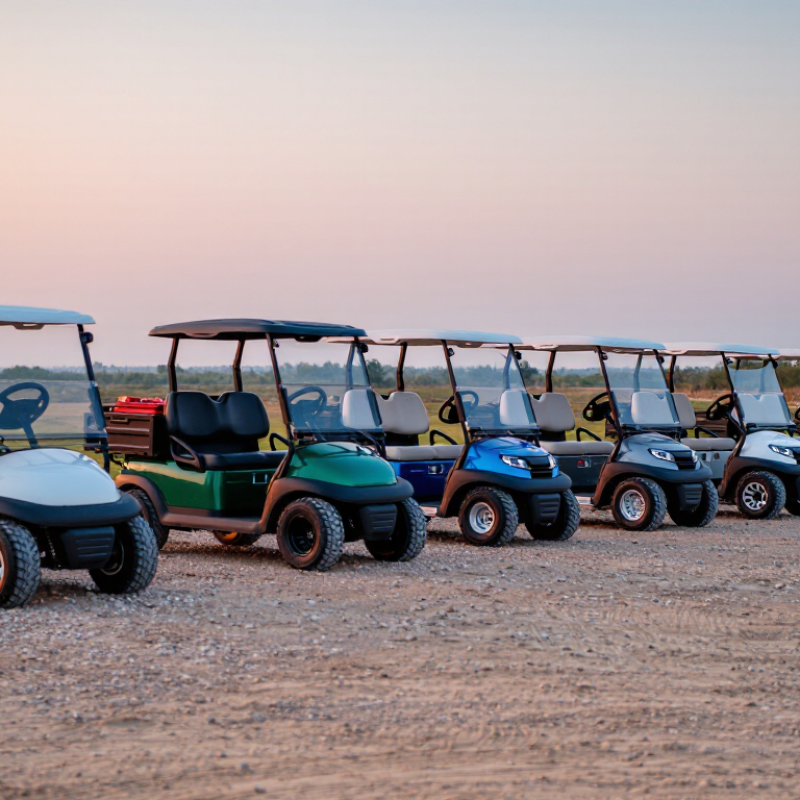
Top 10 Electric Utility Golf Carts for Global Buyers?

What Defines an Electric Utility Golf Cart for Global Buyers?

Top 10 Electric Utility Golf Carts for Global Buyers?

What Defines an Electric Utility Golf Cart for Global Buyers?

For global buyers, an electric utility golf cart is more than a quiet vehicle. It is a compact work tool designed for repeated daily tasks. The defining feature is useful output, not appearance. A strong model should carry people, tools, and materials without unstable handling.

Payload matters greatly. A 500-kilogram capacity may suit construction sites, while smaller farms need less. Buyers should check the loaded weight, not the advertised maximum alone. Range also depends on slopes, temperature, cargo, and driving speed. A stated range can shrink quickly in cold weather.

Battery access is another practical concern. Common charging systems, clear manuals, and replaceable components simplify ownership across countries. Lithium batteries reduce weight, but lead-acid systems may remain easier to service in some regions. Neither option is perfect. Local technician skills should influence the decision.

A useful cart needs reliable brakes, lights, mirrors, seat belts, and weather protection. Tire design should match grass, gravel, mud, or paved roads. Ground clearance becomes critical on uneven land. Test the turning radius inside a narrow storage area.

Global buyers should also verify local transport rules, import documents, electrical standards, and workplace requirements. A cart suitable for private property may not be approved for public roads. That distinction prevents expensive mistakes. During evaluations, I would inspect welds, battery access, suspension noise, and controller response after a full load. Small details often reveal long-term reliability.

Key Features and Performance Factors Across the Top 10 Models

A practical review of the top ten electric utility golf carts should focus on working conditions, not appearance. The strongest models combine useful payload capacity, stable handling, and predictable battery performance. A two-seat cart may suit maintenance teams, while a four-seat version supports larger crews. Brushless motors usually deliver smoother acceleration and lower maintenance needs. Ground clearance matters on gravel, grass, and uneven service paths. Hydraulic or electronic braking can improve control on slopes, but stopping distance still depends on load and surface conditions. Small details matter.

Tips: Check the rated payload before carrying tools, water tanks, or spare parts. Test the cart with its real working load. Measure charging access at the site. A long range figure can be misleading in cold weather, steep terrain, or frequent stop-and-go use.

Performance also depends on battery chemistry, charger quality, tire design, and suspension tuning. Lithium systems often reduce weight and charging time, while lead-acid batteries may offer a lower initial cost. Weather protection should include a durable roof, sealed controls, and practical drainage. Some carts feel stable on smooth pavement but become harsh on rough ground. That weakness deserves attention. Operators should inspect steering play, brake response, tire wear, and frame noise during regular use. No single model fits every buyer; a cart optimized for warehouses may perform poorly on muddy grounds. Specification sheets help, but hands-on trials reveal more.

Comparing Utility Golf Cart Types, Capacities, and Configurations

Top 10 Electric Utility Golf Carts for Global Buyers?

Electric utility golf carts differ more than their compact frames suggest. A two-seat flatbed suits campus deliveries, while a four-seat model supports maintenance crews. Rear dump beds help with soil, tools, and waste collection. Enclosed cargo bodies protect supplies in rainy regions. Buyers should compare payload, towing capacity, ground clearance, and turning radius. A larger cart is not automatically better. Excess weight can reduce range and strain the braking system.

Battery choice also affects real-world performance. Lead-acid batteries cost less initially, but lithium systems usually offer lighter weight and faster charging. Confirm charger compatibility with local voltage standards. Cold climates may reduce battery output, while hot climates require careful thermal management. Configuration matters too. A 48-volt system may suit moderate routes, but steep roads and heavy loads need stronger motor control. Check service access, replacement parts, warranty terms, and local technician availability before ordering. Specifications can look impressive, yet field conditions often expose limitations.

Tips: Test the cart with its intended load, not an empty vehicle. Measure ramps, gates, and storage spaces first. Ask for verified payload and incline data. Confirm safety equipment and regional road-use requirements. I would also request a short trial period when possible; paper comparisons rarely reveal poor suspension or awkward controls. Leave some capacity unused, because daily operations are rarely as predictable as the planning sheet.

Top 10 Electric Utility Golf Carts for Global Buyers – Comparing Utility Golf Cart Types, Capacities, and Configurations

Rank Utility Golf Cart Type Typical Seating Rated Payload Typical Range Powertrain Configuration Cargo Configuration Recommended Applications Key Buying Consideration
1 Two-Row Flatbed Utility Cart 2 front seats 450–680 kg (992–1,499 lb) 50–80 km per charge 48–72 V electric drive; rear-wheel drive Steel or aluminum flatbed; optional drop sides Farms, resorts, warehouses, maintenance teams Payload rating, bed material, and ground clearance
2 Four-Passenger Utility Cart with Rear Bed 4 passengers 350–550 kg (772–1,213 lb) 45–75 km per charge 48 V electric drive; rear-wheel drive Flip-fold rear seat converting to a cargo platform Hotels, campuses, gated communities, resorts Passenger safety equipment and usable bed length
3 Long-Bed Cargo Utility Cart 2 passengers 550–900 kg (1,213–1,984 lb) 40–70 km per charge 48–72 V electric drive; heavy-duty rear axle Extended bed, removable tailgate, tie-down points Construction sites, logistics yards, agricultural operations Frame strength, axle capacity, and load distribution
4 All-Terrain Utility Cart 2–4 passengers 350–680 kg (772–1,499 lb) 40–70 km per charge 48–72 V electric drive; selectable 2WD or 4WD High-sided cargo bed; off-road tires and suspension Ranches, parks, forestry, outdoor facilities Tire traction, approach angle, water resistance, and braking
5 Dump-Bed Electric Utility Cart 2 passengers 450–680 kg (992–1,499 lb) 45–75 km per charge 48 V electric drive; hydraulic or electric bed lift Manual, hydraulic, or electric tipping cargo box Landscaping, waste collection, grounds maintenance Lift capacity, tipping angle, hydraulic serviceability
6 Enclosed-Cab Utility Cart 2 passengers 300–550 kg (661–1,213 lb) 45–80 km per charge 48–72 V electric drive; weather-protected cabin Covered rear bed or enclosed cargo compartment Cold climates, airports, campuses, industrial facilities Cabin heating, ventilation, visibility, and ingress protection
7 Personnel and Cargo Shuttle Cart 6–8 passengers 500–900 kg (1,102–1,984 lb), including occupants 40–70 km per charge 48–72 V electric drive; rear or all-wheel drive Rear cargo deck or under-seat storage Airports, resorts, event venues, large campuses Total vehicle weight, braking performance, and seating layout
8 Refrigerated or Insulated Delivery Cart 2 passengers 250–500 kg (551–1,102 lb) 35–65 km per charge 48 V electric drive; auxiliary cooling system Insulated box or compact refrigerated compartment Food service, hotels, hospitals, local distribution Thermal performance, internal volume, and auxiliary power use
9 Street-Legal Light Utility Cart 2–4 passengers 300–550 kg (661–1,213 lb) 50–90 km per charge 48–72 V electric drive; speed limited for local roads Small rear box, trunk, or lockable cargo compartment Residential communities, local deliveries, tourism areas Local registration rules, lighting, mirrors, seat belts, and safety standards
10 Tow and Maintenance Utility Cart 2 passengers 350–680 kg (772–1,499 lb) payload; 900–1,800 kg (1,984–3,968 lb) towing capacity 35–65 km per charge 48–72 V electric drive; high-torque controller and low-speed gearing Rear hitch receiver, tool storage, and optional service platform Golf facilities, factories, airports, warehouses, public works Hitch rating, regenerative braking, towing stability, and service access
Specification note: The figures shown are typical market ranges for low-speed electric utility vehicles. Actual payload, range, speed, towing capacity, dimensions, charging time, and legal requirements vary according to battery chemistry, terrain, temperature, vehicle configuration, occupant weight, and local regulations.

Battery Systems, Charging Standards, and Regional Compatibility

Top 10 Electric Utility Golf Carts for Global Buyers?

For global buyers, battery selection matters more than polished bodywork. The top ten utility carts should offer dependable range, payload capacity, and serviceable battery access. Lead-acid systems usually cost less initially, but they require watering and ventilation. Lithium systems reduce weight and charging time, although their battery management systems need careful inspection. I have found that real site temperature can change range noticeably. Test under working conditions.

Measure twice. Voltage must match the motor controller, charger, and accessories. Common systems use 36, 48, or 72 volts, but identical voltage does not guarantee compatibility. Check connector types, charging curves, fuse protection, and battery communication protocols. A replacement charger should support the battery chemistry, not merely the voltage. Small details matter. A cart that travels 60 kilometers in a brochure may travel far less with hills, cargo, and repeated stops.

Charging standards also vary by region. Confirm local plug geometry, supply voltage, frequency, grounding, and required electrical approvals before shipment. Some facilities need single-phase charging, while larger depots may require managed charging schedules. Regional certification requirements can affect installation and resale. I once underestimated cable length during a fleet layout review; operators then parked carts awkwardly beside the charging wall. That mistake was minor, but it exposed a wider issue: regional compatibility includes daily workflow, climate, maintenance skills, and spare-part access.

How to Select the Right Electric Utility Golf Cart for Your Market

Selecting the right electric utility golf cart begins with the market, not the showroom. Start with the route. A resort may need quiet passenger transport, while a warehouse may require a flatbed, towing hitch, or enclosed cargo area. Measure road width, turning space, gradients, and daily travel distance before comparing models.

Payload capacity must include tools, passengers, batteries, and uneven cargo. Overloading reduces braking control and shortens component life. In hot regions, battery cooling and shaded charging areas deserve close attention. In wet or coastal markets, sealed electrical connections and corrosion-resistant hardware can prevent frequent repairs. Local charging standards, operator rules, and safety requirements should also guide the specification.

Field testing is more reliable than a brochure. Drive a loaded cart on the actual surface, then check stopping distance, steering effort, suspension comfort, and charging time. Ask whether replacement parts and trained service support are available locally. A cheaper cart can become expensive when downtime lasts several weeks. Still, the highest-rated specification is not always the best choice. I have seen buyers select oversized vehicles that could not pass narrow service lanes. A smaller cart with practical range sometimes performs better. Record energy use, maintenance hours, and payload performance during a trial period. These imperfect measurements reveal what the market truly needs.

FAQS

How should I choose an electric utility golf cart?

Start with the route and daily workload. Measure road width, slopes, turning areas, and storage spaces. A small cart may work better in narrow service lanes. Showroom size can mislead.

What seating and body configuration should I consider?

A two-seat flatbed suits campus deliveries and maintenance tools. Four seats support larger crews. A rear dump bed carries soil, waste, or loose equipment. Enclosed cargo protects supplies from rain.

How much payload capacity is enough?

Include passengers, tools, batteries, water tanks, and uneven cargo. Check the rated payload before loading the cart. Test it with the real working load. Leave some capacity unused.

Is lithium or lead-acid battery technology better?

Lithium batteries usually weigh less and charge faster. Lead-acid batteries often cost less initially. Cold weather can reduce battery output. Hot areas need careful charging and thermal management.

What performance details matter on rough ground?

Ground clearance helps on gravel, grass, and uneven paths. Suspension tuning affects comfort and control. Tire design also matters. A cart smooth on pavement may feel harsh on rough ground.

How can I check braking and handling before buying?

Drive a loaded cart on the actual route. Check stopping distance, steering effort, and brake response. Test slopes and tight turns. Surface conditions change braking performance.

What charging and service issues should I check?

Measure charging access at the worksite. Confirm charger compatibility with local voltage standards. Ask about replacement parts and trained technicians nearby. Long downtime becomes expensive quickly.

What weather protection is useful for regular outdoor work?

Look for a durable roof, sealed controls, and practical drainage. Wet or coastal areas need corrosion-resistant hardware. Shaded charging areas help in hot climates. My checklist is not perfect.

Can a specification sheet predict real-world performance?

Not completely. Test range with the intended load and route. Record energy use, charging time, and maintenance hours. Brochures may miss awkward controls or weak suspension. Field evidence matters more.

Conclusion

Choosing the right Electric Utility Golf Cart requires more than comparing speed or appearance. For global buyers, an effective model should combine dependable performance, practical cargo capacity, safe handling, durable construction, and efficient energy use. This guide examines ten representative configurations, comparing two-seat, multi-seat, flatbed, enclosed, and specialized utility designs. It also considers payload limits, ground clearance, turning ability, braking systems, weather protection, and the balance between range and working power.

Battery technology and charging compatibility are equally important when selecting an Electric Utility Golf Cart for different markets. Buyers should evaluate battery chemistry, charging time, voltage requirements, connector standards, maintenance needs, and local electrical conditions. Regional terrain, climate, service availability, import requirements, and intended applications—such as resorts, campuses, farms, warehouses, or municipal facilities—can significantly influence the best choice. By matching configuration, capacity, operating environment, and after-sales support with real business needs, buyers can select a reliable utility vehicle that offers practical value, efficient operation, and long-term adaptability.

Oliver

Oliver

Oliver is a dedicated marketing professional with a strong understanding of the company’s products, services, and long-term business goals. With a thoughtful approach to market research, customer needs, and industry trends, he creates clear, practical, and informative content that helps readers......