High-Performance Electric Tricycle Range
Explore our OEM/ODM manufacturing capability across heavy-duty freight trikes, semi-enclosed delivery vehicles, and urban passenger shuttles.
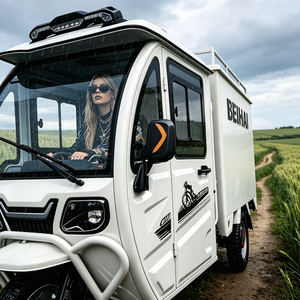 Heavy Cargo
2026 BEIHAI Double Row Semi Enclosed Electric Tricycle Climbing and Hauling with Shed Cargo
- Payload Capacity: 800 - 1000 kg
- Motor Power: 60V/72V 1500W
- Cabin Type: Semi-Enclosed Double Row
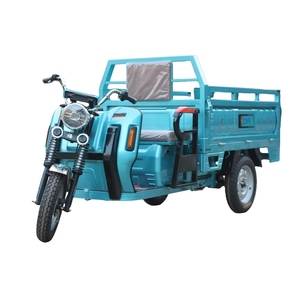 Urban Logistics
Luba Series Eco-Friendly Electric Delivery Tricycle for Urban Transport, Agriculture, and Factories
- Duty Cycle: Multi-Sector Logistics
- Motor Type: Brushless PMSM AC
- Range per Charge: 75 - 90 km
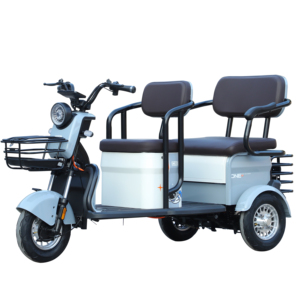 Factory Direct
The Newest Big Power Electric Tricycle for Cargo Electric Vehicle for Adults With Best Price
- Frame Material: Electrophoretic Steel
- Battery Compatibility: Lead-Acid / LiFePO4
- Max Speed: 45 km/h
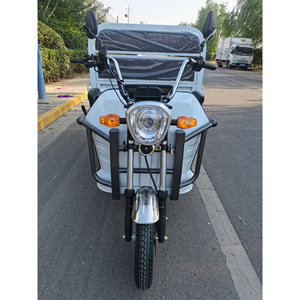 Standard Trike
Electric Tricycle 3 Wheel Multi-Purpose Utility Mobility Vehicle
- Drive Axle: Integrated Shaft Axle
- Brake System: Front/Rear Drum & Disc
- Certification: CE / EN 15194
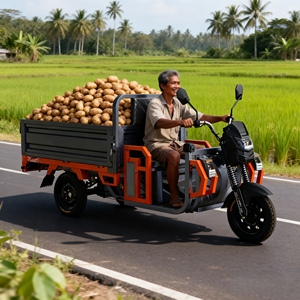 Agri Hauler
Heavy Duty Open Electric Tricycles 700kg Load Capacity 1500W Cargo Trike Motorized Tuk Tuk
- Load Rating: 700 kg Verified
- Rear Axle: Cast Iron Floating Axle
- Motor: 1500W High Torque
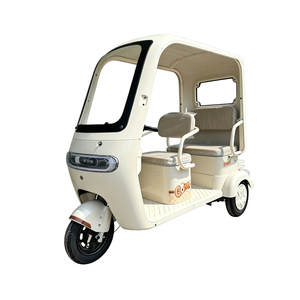 Passenger Shuttle
Convertible Electric Tricycle, 800-1000W, 50-70km/h, Capable of Accommodating Three People
- Passenger Seats: 3 Persons
- Speed Rating: 50 - 70 km/h
- Transmission: 2-Speed Hill Gear
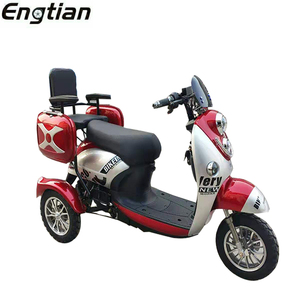 Urban Mobility
60V 3 Wheel 3 Seat Electric Tricycle Adult Passenger Vehicle >800W Open Cab
- Voltage: 60V Smart System
- Capacity: 3 Adult Seats
- Lighting: High-Lumen LED System
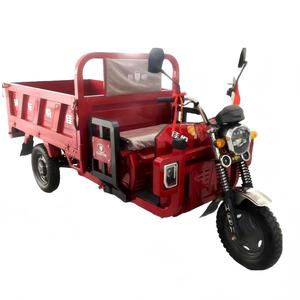 Industrial Freight
60V/72V 1000W Red Open 1.6m Electric Cargo Motorized Tricycle with 800kg Capacity
- Cargo Box Length: 1.6 Meters
- Load Capacity: 800 kg
- Chassis Finish: Cathodic Dip Coated
Manufacturing Capabilities & OEM Standards
Our ISO9001-certified manufacturing facility operates dedicated robotic welding lines, automated electrophoretic dipping tanks, and rigorous quality inspection protocols.
Institutional Quality & Engineering Edge
We eliminate typical commercial vehicle paint degradation, frame fatigue, and battery overheating through automotive-grade metallurgical and electronic standards.
Robotic Frame Welding
Every chassis is constructed from high-tensile Q235 structural steel, precision-welded by multi-axis robots to guarantee zero stress points and maximum structural endurance under continuous heavy payload vibration.
Cathodic Dip Coating (EDP)
Chassis undergo a 18-stage electrophoretic dipping process prior to powder painting. This provides 1,000+ hours of salt spray corrosion protection, essential for coastal resorts, humid tropical fleets, and industrial factory environments.
Heavy-Duty Floating Axles
Equipped with high-torque integrated cast-iron rear drive axles with internal oil-bath differential gears. Designed specifically to handle steep gradient starts with 800kg+ cargo loads without gear strip or shaft failure.
Dual Battery Architecture
Modular battery trays support both economical heavy-duty deep-cycle Lead-Acid packs and long-life LiFePO4 (Lithium Iron Phosphate) battery modules with smart CAN-bus BMS telemetry for real-time fleet health tracking.
Strict CE EN 15194 Compliance
Our entire commercial tricycle line is certified compliant under EU standards covering electromagnetic compatibility (EMC), vehicle stability, dynamic braking systems, and electrical system safety isolation.
Complete CKD / SKD Support
We maximize shipping container volume efficiency through customized Semi-Knocked-Down (SKD) and Completely-Knocked-Down (CKD) packing systems, backed by clear step-by-step video assembly documentation.
Future Procurement Trends in Electric Tricycles (2026–2030)
The global commercial low-speed electric vehicle (LSEV) landscape is undergoing a systemic transition. Driven by stringent urban zero-emission mandates, skyrocketing diesel prices, and rapid expansion in last-mile logistics networks, micro-mobility cargo trikes and passenger rickshaws have evolved from low-cost utility alternatives into high-tech fleet assets.
For B2B procurement managers, fleet directors, and commercial importers, sourcing decisions are no longer determined solely by initial unit purchase price. Modern fleet operations demand rigorous Total Cost of Ownership (TCO) calculations, taking into account energy consumption efficiency per payload ton-kilometer, structural frame longevity, component standardization, and local battery recycling compliance.
Key Procurement Shift: Over 68% of commercial fleet managers in Europe and Latin America now mandate CE certification, CAN-bus battery monitoring, and minimum 800kg rated payload capacities for all new electric cargo tricycle imports.
Furthermore, regional safety regulations are driving the adoption of semi-enclosed cabins, integrated rollover protection structures (ROPS), and dual-circuit hydraulic braking systems. Importers who partner with certified factories offering standardized spare parts availability reduce operational downtime by up to 40% over a 5-year fleet lifecycle.
Engineering Evolution: Drivetrain, Battery & Metallurgy Innovation
The technical architecture of modern electric tricycles has advanced significantly past traditional brush-motor designs. Today’s high-capacity cargo trikes feature Permanent Magnet Synchronous Motors (PMSM) paired with intelligent sine-wave vector controllers (FOC), yielding electrical-to-mechanical conversion efficiencies exceeding 92%.
In heavy hauling and agricultural climbing applications, mechanical gearing innovation plays an equally vital role. Integrated dual-speed gearboxes—often called high/low range climb shifters—allow an 800W–1500W motor to deliver over 120 Nm of torque at the drive wheels, allowing 1,000kg loads to ascend 20% to 25% inclines without thermal overload on the controller.
| Technical Parameter | Standard Economy Trike | Heavy-Duty Commercial Trike | Premium Passenger Shuttle |
|---|---|---|---|
| Chassis Steel Thickness | 1.8 mm - 2.0 mm Tubular | 2.75 mm - 3.25 mm Q235 Box Steel | 2.5 mm High-Yield Alloy |
| Motor Architecture | DC Brushless (BLDC) | PMSM Brushless / AC Induction | High-Efficiency PMSM Vector Drive |
| Rear Axle Type | Semi-Independent Chain Drive | Heavy-Duty Cast Iron Integrated Differential | Sealed Shaft Drive Differential |
| Braking Architecture | Mechanical Cable Drum | Dual Hydraulic Rear Drum + Front Disc | Combined CBS Hydraulic Disc System |
| Battery Technology | Flooded Lead-Acid | Deep-Cycle AGM or LiFePO4 | Automotive-Grade LiFePO4 with BMS |
| CE Certification Status | Basic EMC Only | Full CE EN 15194 & MD 2006/42/EC | Full CE Passenger Transport Standard |
Battery chemistry trends demonstrate a swift migration from traditional flooded lead-acid toward Lithium Iron Phosphate (LiFePO4). While lead-acid batteries maintain a low initial capital cost suitable for short-shift campus applications, LiFePO4 offers 3,000+ charge cycles at 80% Depth of Discharge (DoD), cuts overall vehicle curb weight by 35%, and eliminates liquid watering maintenance entirely.
Frequently Asked Questions by B2B Buyers
Comprehensive answers regarding CE certification, custom manufacturing, logistics optimization, and warranty SLAs.
Request a Custom Wholesale Quote & Factory Technical Specs
Partner directly with a certified electric tricycle manufacturer. Share your required payload capacity, voltage preference, target order volume, and destination port for an immediate FOB/CIF pricing quote.