Next-Generation Commercial Mobility Engineered for Sustainability & Longevity
As premier CE certified solar cart suppliers and exporters, we engineer high-performance low-speed electric vehicles (LSVs) engineered for resorts, golf courses, gated communities, airports, and industrial complexes worldwide. By integrating commercial-grade monocrystalline photovoltaic (PV) solar panels, advanced AC brushless powertrains, and hot-dip galvanized chassis structural engineering, our vehicles deliver uninterrupted operational cycles while drastically reducing total cost of ownership (TCO).
Featured CE Certified Electric & Solar Vehicle Models
Explore our certified low-speed electric buggy range designed for heavy utility, passenger transport, and off-road mobility.
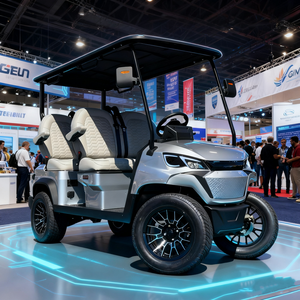 High Power AC
72V EEC Certified Electric Golf Buggy with 5KW/7.5KW High Power Motor
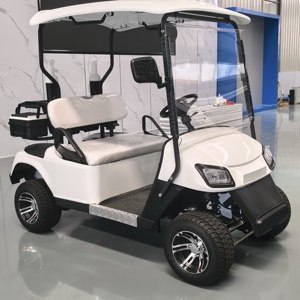 Off-Road Lifted
New Electric Off-Road Golf Cart Buggy 3-4 Seats Steel 60V 5KW CE Certified
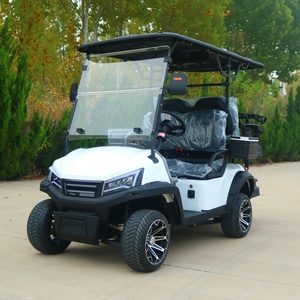 4WD 6-Seater
Street Legal 4WD Electric Golf Cart 60/72V Lithium 6-Seater Sightseeing Cart
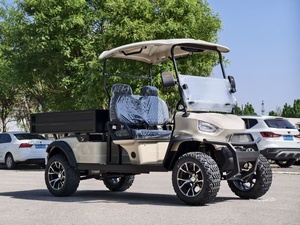 Utility & Beach
New Arrival 2 Seater Electric Golf Buggy Off Road Sporty Lifted Cart
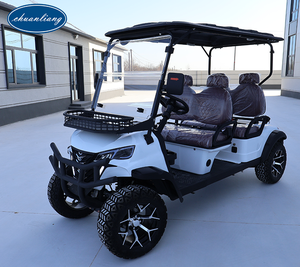 Resort Luxury
Professional Customized 4 Seater Electric Golf Buggy with Lithium Battery
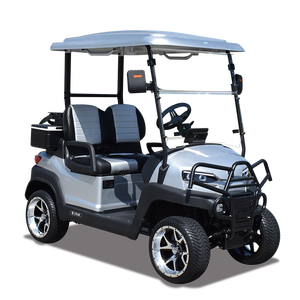 Infotainment Tech
4 Wheel Electric Golf Cart 2 Seat Lithium Buggy with Integrated Speakers & Lights
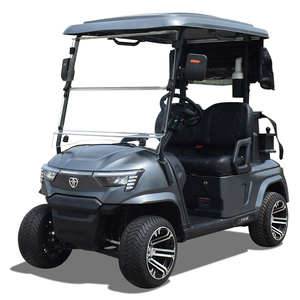 Heavy Cargo
Customizable 2-Seater Electric Utility Golf Cart with Rear Cargo Box
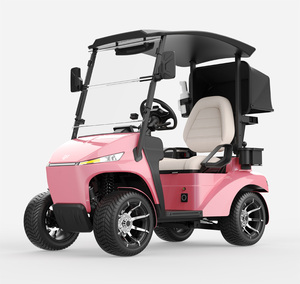 Compact Single-Seat
Single-Seat Quick-Charge Electric Golf Cart CE Certified 4-Wheel Small Vehicle
Why Leading Global Procurement Teams Select Our Solar Buggies
Building a reliability-first electric vehicle fleet demands engineering compliance at every layer. We bridge rigorous automotive structural integrity with advanced clean energy conversion.
Hot-Dip Galvanized Chassis
Every vehicle frame undergoes a hot-dip galvanizing process compliant with ISO 1461 standards, creating an 80µm protective zinc layer. This provides immunity against coastal salt-spray corrosion, acidic soil, and high-humidity resort conditions, extending chassis operational life beyond 20 years.
Integrated PV Solar Charging
Our roof-integrated monocrystalline solar panels utilize Maximum Power Point Tracking (MPPT) intelligent controllers yielding up to 98.5% conversion efficiency. Solar energy continuously trickle-charges the battery bank during daylight hours, expanding daily range by 20–30% and eliminating mid-shift battery swapping.
Advanced AC Brushless Powertrains
Moving away from brushed DC motors, our fleet leverages enclosed, IP67-rated 48V/60V/72V AC induction and permanent magnet synchronous motors (PMSM). Delivered benefits include zero brush maintenance, regenerative braking energy recovery up to 15%, and full torque retention on 30% steep inclines.
Lithium LiFePO4 Chemistry & Smart BMS
We specify automotive-grade Lithium Iron Phosphate (LiFePO4) battery packs equipped with CAN-bus connected Smart Battery Management Systems. Delivering 3,500+ charge cycles at 80% DOD, thermal stability up to 65°C, and comprehensive cell-level balancing, our power packs outperform legacy lead-acid systems on total life cycle cost.
Full CE & EEC Harmonized Compliance
Every unit shipped carries full certification under European Union Machinery Directive 2006/42/EC, EMC Directive 2014/30/EU, and Low Voltage Directive 2014/35/EU. Structural roll-over protection (ROPS), shatterproof laminated windshields, and automotive hydraulic braking guarantee total operator and passenger safety.
Custom OEM B2B Manufacturing
We tailor vehicle configurations to specific commercial duty profiles. From customized seating layouts (2 to 14 seats), cargo deck drops, hydraulic tipping beds, corporate pantone color matching, and custom canvas enclosures to automated fleet management telematics—we deliver turn-key solutions built to spec.
Future Procurement Trends in Solar & Low-Speed Electric Mobility (2025–2030)
Commercial fleet buyers, resort developers, and municipal planners are transitioning from reactive purchasing to strategic lifecycle procurement. Key macro trends shaping global B2B procurement over the next decade include:
1. The Shift to Off-Grid Solar-Hybrid Architecture
Rising grid electricity tariffs and operational zero-carbon mandates are accelerating demand for solar-integrated transport platforms. Modern fleet managers no longer treat solar panels as an auxiliary accessory; rather, solar MPPT charging is embedded directly into power distribution units (PDUs). On 8-hour daily operational shifts in tropical and sub-tropical regions, roof PV integration reduces grid charging reliance by 25% to 40%, generating quantifiable ROI within 18 months of deployment.
2. Complete Phase-Out of Lead-Acid in Favor of LFP Chemistry
While deep-cycle lead-acid batteries offered lower initial capital outlay historically, their short cycle life (500–800 cycles), high self-discharge rates, environmental toxicity, and heavy watering maintenance costs have rendered them obsolete for intensive commercial operations. Procurement specifications are rapidly standardizing around Lithium Iron Phosphate (LiFePO4). LFP technology provides 5x cycle durability, stable voltage output under high torque demand, rapid 2-hour charging capabilities, and zero maintenance overhead.
3. Mandatory CE, EEC, and ISO Safety Harmonization
International safety standards for low-speed non-highway vehicles are tightening. European and North American buyers require documented compliance with CE Machinery Directive 2006/42/EC and functional safety norms (EN ISO 13849-1). B2B procurement teams must audit supplier testing protocols, demanding verified certificates for electromagnetic compatibility (EMC), brake deceleration tests, structural chassis load dynamics, and electrical insulation protection.
4. Fleet Telematics, IoT Monitoring, and Predictive Maintenance
Modern commercial solar cart fleets are moving away from unmonitored mechanical operation. Integrated CAN-bus telematics allow central dispatchers to track vehicle location via GPS, monitor real-time state-of-charge (SoC), detect cell voltage imbalances, track solar power generation yields, and receive automated diagnostic alerts before component failures occur. This connectivity drastically reduces downtime and prolongs total fleet lifecycle performance.
Product Development Trends Shaping the Solar Buggy Industry
Innovation in electric utility and passenger buggies is focused on weight efficiency, renewable energy yield optimization, and structural durability. Here is an technical overview of technical benchmarks entering the market.
| Engineering Domain | Legacy Electric Cart Tech | Current CE Solar Hybrid Benchmark | Next-Gen Development Standard |
|---|---|---|---|
| Solar Module Integration | Flexible low-wattage panels (<100W) | Monocrystalline Rigid MPPT Panels (250W–450W) | Bifacial High-Efficiency PV + Dynamic Solar Tracking Roofs |
| Battery Chemistry | Flooded Lead-Acid / Gel Batteries | LiFePO4 Lithium Packs with Smart BMS | Solid-State Lithium / Ultra-Fast Charge LTO Cells |
| Powertrain Architecture | Brushed DC Motors (3kW - 4kW) | IP67 Brushless AC Motors (5kW - 7.5kW) | Dual-Axle In-Wheel Hub Motors with Vectoring Control |
| Chassis Protection | Standard Painted Tubular Steel | Hot-Dip Galvanized Anti-Corrosion Frame | Hybrid Aluminum-Magnesium Alloy Spaceframes |
| Vehicle Control Unit | Analog Controller & Manual Switches | CAN-Bus Smart Controller with Regen Braking | AI-Driven Predictive Energy & Autonomous Geofencing |
Key Insight for Buyers: Investing in high-efficiency AC powertrains coupled with hot-dip galvanization lowers long-term operational costs by reducing mechanical wear and eliminating body corrosion in tropical or maritime resort environments.
Frequently Asked Questions by Global Importers & Enterprise Buyers
Addressing the core technical, logistical, and compliance inquiries encountered during international commercial vehicle procurement.
What specific tests are conducted to ensure your carts comply with CE certification?
Our solar carts undergo rigorous testing according to EU standards. Machinery Directive 2006/42/EC compliance is verified through structural load stress testing, braking performance metrics (stopping distance under full payload), stability testing on inclines up to 30%, and emergency cutoff system validation. Electrical safety and Electromagnetic Compatibility (EMC) are tested to ISO/EN standards under Low Voltage Directive 2014/35/EU to ensure zero interference with external communications equipment.
How much extra range does the integrated PV solar panel provide daily?
Under standard irradiance conditions (1,000 W/m² peak sunshine), our monocrystalline MPPT solar roof systems generate between 1.2 kWh and 2.2 kWh of supplementary clean energy per day. For a standard 48V or 72V 4-seater buggy, this translates to an additional 15 km to 30 km of usable driving range daily. This supplemental energy continuously tops up the battery bank when parked outdoors or driving in daylight, effectively extending overall daily range by 25–35%.
Why is a hot-dip galvanized chassis essential for resort and commercial environments?
Standard painted or powder-coated steel frames are vulnerable to internal micro-rusting when exposed to sea breezes, coastal salt spray, irrigation water, or high ambient humidity. Hot-dip galvanization submerges the entire structural frame in molten zinc at 450°C, creating a metallurgical bond that shields both external surfaces and internal tube walls. This anti-corrosion barrier protects structural integrity for decades, preserving fleet resale values and eliminating structural failure hazards.
What is the typical shipping container loading capacity for export orders?
We optimize container packing dimensions to lower ocean freight overhead per unit. A standard 20ft container comfortably accommodates 2 to 4 units depending on model footprint and canopy disassembly. A 40ft High Cube (HQ) container carries 8 to 12 units for standard 2-seater or 4-seater buggies, and 4 to 6 units for larger 11-seater electric mini buses. We utilize specialized protective steel racking systems to prevent transit damage.
How do Lithium LiFePO4 battery packs perform under extreme ambient temperatures?
Our Lithium Iron Phosphate (LiFePO4) chemistry is specifically selected for high thermal stability. Integrated with an intelligent CAN-bus Battery Management System (BMS), the battery cells operate safely across temperatures ranging from -20°C up to +60°C. Automatic thermal cutoff circuits prevent charging at unsafe temperature thresholds, ensuring zero risk of thermal runaway in desert climates or heat-intensive industrial complexes.
What warranty coverage and spare parts support are provided for global importers?
We provide a comprehensive 12-to-36 month warranty covering main structural components, AC drive motors, controllers, solar panels, and LiFePO4 battery banks. For enterprise fleet buyers, we maintain a dedicated fast-track inventory of OEM replacement components—including suspension bushings, hydraulic brake pads, electronic controllers, windshields, and lighting assemblies—ready for immediate dispatch via DHL/FedEx or consolidated container shipments.
Can we customize vehicle branding, colors, and body configurations for commercial fleets?
Yes. As a direct OEM manufacturer, we offer end-to-end fleet customization. Buyers can select specific RAL paint colors, add custom screen-printed corporate logos, configure custom seating arrangements (facing forward or flip-flop rear utility seats), select enclosed or semi-enclosed weatherproof curtains, add specialized cargo drop-side boxes, or integrate custom infotainment and GPS tracking hardware.
End-to-End Quality Management from Raw Materials to Port Delivery
Operating out of state-of-the-art production facilities, our manufacturing infrastructure adheres strictly to ISO 9001 quality management systems. Every stage of vehicle assembly undergoes stringent quality control checklists:
1. Material Inspection
Non-destructive ultrasonic testing of incoming seamless steel tubing, chassis weld joint integrity checks, and spectrographic verification of zinc coating thickness prior to assembly.
2. Dynamic Bench Testing
100% full-load dyno testing of AC motors and controllers to measure torque curves, thermal dissipation under simulated 30% incline resistance, and regenerative braking efficiency.
3. Pre-Shipment Audit
Water-tight IP65 canopy deluge testing, alignment check, high-voltage insulation dielectric testing, and complete battery balance verification prior to export container loading.
Request Your Wholesale OEM Quotation & Fleet Specification Sheet
Whether you are expanding a resort fleet, specifying vehicles for institutional procurement, or seeking exclusive regional distribution rights for CE certified solar carts, our engineering team is standing by to provide complete technical drawings, compliance dossiers, and FOB/CIF pricing.