Top-Rated Passenger Vehicles & Electric Shuttles
Direct factory supply of heavy-duty, low-speed electric mobility platforms customized for commercial resorts, municipal campuses, and tourism operations worldwide.
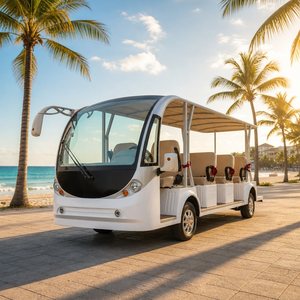 14 Seater Bus
14 Passenger Electric Tourist Sightseeing Bus & Standard Shuttle
- Max Speed:30 Km/h
- Usable Range:100 - 130 Km
- Motor Power:72V / 7.5kW AC
- Chassis:Galvanized Steel
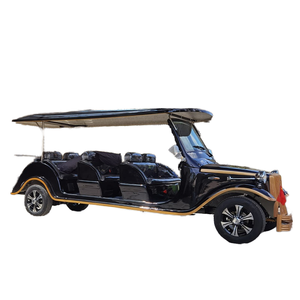 Vintage Luxury
Letsing Sightseeing Tour Car, Classic Electric Vintage Car for Sale
- Seating:6 - 8 Passengers
- Motor System:48V 5kW Brushless
- Battery Type:LiFePO4 / Lead-Acid
- Body Material:Reinforced FRP
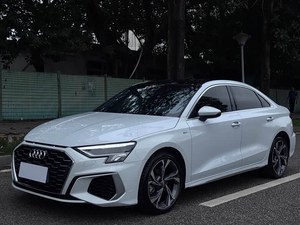 Commercial Sedan
Audi A3 2021 Limousine 35 TFSI Chinese Manufactured Vehicle
- Engine/Drive:1.4T 35 TFSI
- Steering:Left Hand Drive (LHD)
- Condition:Certified Inspection
- Transmission:7-Speed Dual Clutch
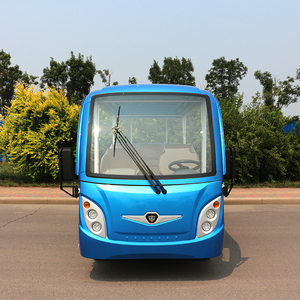 Enclosed Shuttle
Electric Passenger 14 Person Tour Car Enclosed Low Speed Vehicle
- Enclosure:All-Weather Glass
- Drive System:Steering Wheel AC
- Gradient Ability:20% Incline
- Brake System:Hydraulic Disc/Drum
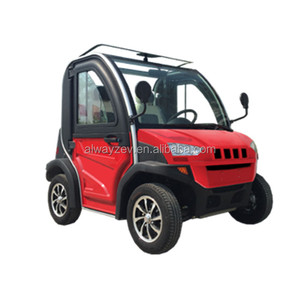 Compact Mini EV
2 Seater Low Speed Enclosed Mini Electric Passenger Vehicles AW9020KF
- Capacity:2 Seater Enclosed
- Top Speed:35 - 40 Km/h
- Charging Time:6 - 8 Hours
- Application:Patrol / Daily Use
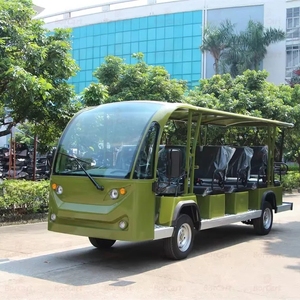 Modular Minibus
8-27 Seats Multi-Purpose Luxury Electric Sightseeing Minibus
- Configurations:8/11/14/17/23/27 Seats
- Motor Rating:96V / 10kW - 15kW
- Suspension:Independent Front
- Customization:OEM Color & Layout
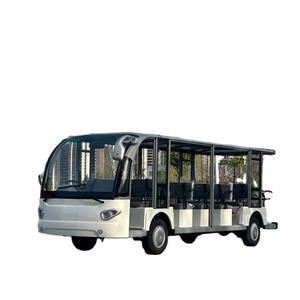 Heavy-Duty Shuttle
Type 23-Passenger Open Sightseeing Car with 96V AC Motor
- Floor Deck:Aluminum Alloy
- Seat Layout:5 Front + 1 Rear Row
- Voltage Rating:96V AC High Output
- Brakes:Vacuum-Assisted Disc
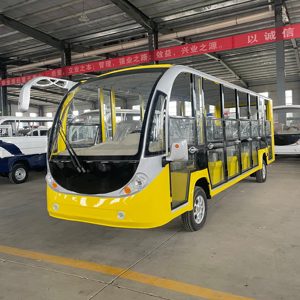 City & Tourist Shuttle
Battery-Powered 16-20 Seater Passenger Tourist Shuttle Bus
- Passenger Cap:16 - 20 Persons
- Battery Tech:Lithium Iron Phosphate
- Max Range:100 - 120 Km
- Certification:CE, ISO9001 Approved
Engineering Competence & Factory Advantage
Understanding why leading enterprise buyers source low-speed electric passenger vehicles, resort shuttles, and commercial mobility platforms directly from top Chinese manufacturing hubs.
Hot-Dip Galvanized Anti-Corrosion Chassis
Unlike standard automotive chassis that suffer from structural rust under coastal or high-humidity resort conditions, our factory utilizes an industrial-grade hot-dip galvanization process (80-120 µm coating thickness). Every frame undergoes 1,000+ hours of continuous salt-spray testing to guarantee structural integrity for over 15 years of daily commercial operation.
Advanced AC Powertrains & Vector Controllers
Transitioning away from legacy DC motors, our OEM production lines integrate high-efficiency 48V, 72V, and 96V AC asynchronous and permanent magnet synchronous motors (PMSM). Paired with smart Curtis or Enpower vector controllers, these drivetrains deliver instant high-torque climbing power on 25%+ inclines without overheating or brush wear.
Dual Battery Ecosystem: LiFePO4 & Lead-Acid
We provide custom battery chemistry configurations to match regional climate requirements and initial CAPEX budgets. Our Automotive-grade Lithium Iron Phosphate (LiFePO4) battery packs feature integrated Smart BMS (Battery Management System), supporting active cell balancing, thermal runaway prevention, fast charging within 3 hours, and over 3,500 lifecycle cycles.
Solar-Hybrid Integrated Auxiliary Roofs
Maximizing daily operational range on tropical island resorts, golf clubs, and extensive industrial parks, our patented Monocrystalline Solar Roof panels actively feed up to 300W-600W of clean energy into the main traction pack during daylight shifts. This continuous trickle charge extends daily driving range by 15-25% while reducing main grid plug-in cycles.
Strategic Industry Insight: The Evolution of Chinese Low-Speed Electric Vehicles (LSEVs)
China has firmly established itself as the world's epicenter for low-speed electric passenger vehicle manufacturing and commercial shuttle engineering. The convergence of domestic automotive supply chains, scalable lithium battery refining, and rapid prototyping capabilities enables Chinese factories to offer unmatched cost-to-performance ratios for international fleet buyers.
Modern commercial procurement focuses not only on sticker price, but on Total Cost of Ownership (TCO), modular spare-part availability, and international regulatory compliance (such as EEC L7e/M1 certifications and CE standards). OEM manufacturers in China have adapted to these buyer demands by implementing strict automated robotic welding, cathodic electro-coating (E-coat), and modular bodywork using high-impact ABS engineering plastics and fiberglass reinforced polymers (FRP).
- Structural Rigidity: Automotive Monocoque and ladder-frame chassis configurations certified for dynamic rollover and braking distribution tests.
- Ergonomic Seating & Trim: Marine-grade anti-UV leatherette seating withstands extreme sunlight, rain, and heavy passenger turnover.
- Flexible Logistics: Optimized frame dimensions engineered specifically to maximize packing density in 40ft High-Cube (HQ) shipping containers (e.g., up to 4-6 units per container via modular SKD disassembly).
Passenger Vehicle Platform Comparison Matrix
Technical evaluation parameters across main passenger transport categories for fleet buyers and institutional procurement managers.
| Vehicle Platform | Passenger Capacity | Motor System | Battery System | Max Speed / Range | Ideal Sourcing Application |
|---|---|---|---|---|---|
| 2-4 Seater Mini EV | 2 - 4 Persons | 3.5kW - 5kW AC | 48V 100Ah LiFePO4 | 35-40 Km/h | 80-100 Km | Resort Security, Campus Patrol, Daily Commute |
| Classic Vintage Car | 4 - 8 Persons | 48V 5kW Brushless | 48V Lead-Acid / Lithium | 28-30 Km/h | 70-90 Km | Heritage Hotels, VIP Transport, Luxury Weddings |
| 14-Seater Tour Bus | 11 - 14 Persons | 72V 7.5kW AC Motor | 72V 210Ah LFP Lithium | 30 Km/h | 100-130 Km | Theme Parks, Municipal Scenic Loops, Airports |
| 23-27 Heavy Shuttle | 16 - 27 Persons | 96V 10kW - 15kW AC | 96V 300Ah Heavy Duty | 30 Km/h | 90-120 Km | Industrial Logistics, City Sightseeing, Transit Hubs |
Future Procurement Trends in Electric Passenger Vehicles
Key technological shifts and supply chain dynamics shaping global procurement strategies over the next decade.
1. Integration of Smart Telematics & Fleet IoT
International fleet operators are moving away from unmonitored vehicles. Next-generation Chinese passenger shuttles come factory-equipped with 4G/5G telematics control units (TCUs), allowing fleet managers to track GPS location in real time, monitor battery cell degradation, establish geofencing rules, and run automated diagnostic reports remotely via cloud dashboards.
2. CKD & SKD Modular Export Models
To navigate changing global tariffs and lower international freight costs, Chinese factories are structuring passenger vehicle builds into Completely Knocked Down (CKD) and Semi-Knocked Down (SKD) kits. This modular strategy allows regional distributors to assemble vehicles locally, reducing import tariffs by up to 15-30% while optimizing container loading density.
3. Autonomous Driving in Enclosed Campuses
Driverless electric sightseeing buses equipped with LiDAR, millimeter-wave radar, and ultrasonic sensor suites are rapidly transitioning from pilot projects to full commercial deployment. Chinese OEM factories lead in producing drive-by-wire chassis that interface seamlessly with Level 4 autonomous driving software for university and tech-park shuttles.
4. High-Voltage Architecture for Rapid Opportunity Charging
While low-speed passenger vehicles historically used low-voltage (48V-72V) systems, modern heavy tourist buses (14-27 seats) are adopting 96V to 300V high-voltage platforms. This shift enables fast "opportunity charging" during 15-minute driver rest breaks, ensuring continuous multi-shift operation without extended vehicle downtime.
Frequently Asked Procurement Questions (FAQ)
Direct technical and operational answers to common buyer queries regarding container logistics, warranty policies, custom branding, and battery selection.
Partner with China's Premier Passenger Vehicle Factory
Consult with our lead fleet engineers today to receive customized engineering drawings, complete technical specifications, container packing schematics, and competitive FOB/CIF factory quotes.