Flagship Electric Bus Fleet & Passenger Transit Solutions
Explore our engineering-validated zero-emission vehicle platforms, ranging from 72V mini city shuttles to 18-meter articulated BRT electric buses.
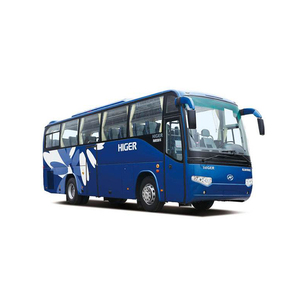
Customize Higer City Buses the Price of New Energy Higer Bus KLQ6109 Luxury 45 Seater Ev Bus and Passenger Coaches for Sale
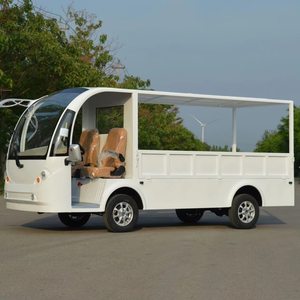
New Luxury Electric Sightseeing Bus 72V 4KW Motor 500KG Curb Weight Low Maintenance Cost Mini Cargo Truck
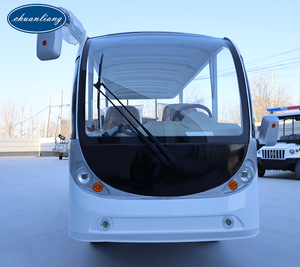
New Long Battery Life Intelligent 11 Seater Electric Tour Bus Digital LCD Instrument Chuanliang China Origin for Hotel Campus
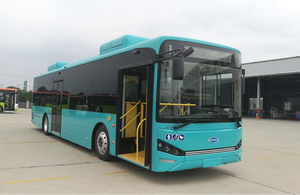
Brand New EV Bus 70 Seat 12m LHD Automatic Electric City Bus with 70 Seater Low Price Sale
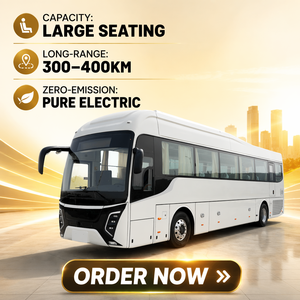
Electric Highway Bus 12m High Range 28+1 Seats Passenger Coach for Africa Sustainable City Transit LHD Solution
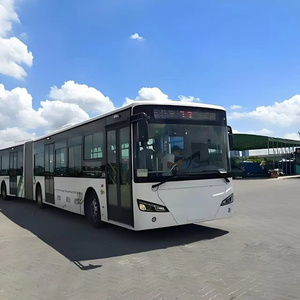
Electric Vehicle Skywell 18M BRT: High - Quality Chinese Articulated Electric Bus for Efficient Urban Transit
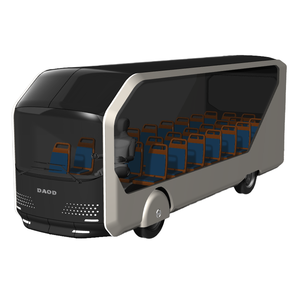
New 300KM Long Range Electric Mini Bus for Public Transport Automatic Transmission for Daily Use
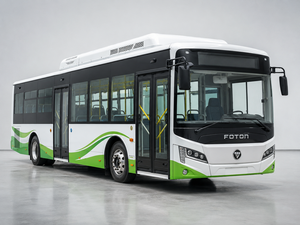
Used Electric City Bus BJ6123EV Series 24-41 Seats Max Speed 69km/h Zero Emission
Commercial Fleet Electrification: Strategic Procurement & Technical Whitepaper
Providing municipal transit authorities, corporate transport fleet directors, and institutional buyers with verified data on zero-emission heavy-duty bus technology.
1. The Paradigm Shift in Municipal & Commercial Bus Procurement
Global urban transit systems are undergoing a rapid transition toward zero-emission vehicle (ZEV) architectures. As Tier-1 OEMs in China advance battery chemistry, structural lightweighting, and high-voltage integrated powertrains, procurement criteria have expanded beyond initial vehicle purchase cost. Modern commercial bus procurement demands comprehensive evaluation of Total Cost of Ownership (TCO), battery thermal runaway safeguards, grid-interoperability charging standards (CCS2, ChaoJi, MCS), and chassis structural integrity.
As a leading China electric bus manufacturer and supplier, our engineering frameworks integrate advanced Lithium Iron Phosphate (LiFePO4) traction packs, direct-drive permanent magnet synchronous motors (PMSM), and hot-dip galvanised structural chassis. This integration delivers verified operational longevity across extreme climate zones, from sub-zero municipal routes to high-ambient desert environments (+50°C).
Core Engineering Advantages & Manufacturing Strengths
Rooted in heavy-duty commercial automotive manufacturing standards (IATF 16949), our manufacturing platforms combine structural durability with smart energy management.
Galvanised Monocoque Frame
Built with high-strength structural steel undergoing full-immersion cathodic electrophoresis and hot-dip galvanisation. Engineered to withstand 15 years of coastal, humid, and heavy-salinity road environments without structural degradation.
Advanced LFP Thermal Management
Equipped with CATL / EVE high-density LiFePO4 cells paired with liquid heating and cooling thermal management. Features active BMS protection ensuring cell temperature variation remains under 3°C during rapid DC charging.
High-Efficiency AC PMSM Drivetrain
Direct-drive and central electric axle motors delivering up to 3,500 Nm peak torque. Reaches 97.5% motor efficiency with smart regenerative braking that recovers up to 32% of kinetic energy during urban stop-and-go cycles.
Custom Fleet Adaptability
Complete ODM/OEM customization for Left-Hand Drive (LHD) and Right-Hand Drive (RHD) configurations. Configurable seating layouts from 11-seat campus shuttles to 70-seat high-capacity intercity coaches and 18m BRT systems.
CAN-Bus Vehicle Telematics
Integrated cloud-based diagnostic telematics system providing real-time oversight of battery State of Charge (SoC), State of Health (SoH), motor temperature, driver efficiency scoring, and predictive maintenance alerts.
UN ECE & International Compliance
Vehicles comply with UN ECE R100 safety, R10 EMC, R66 rollover protection, and CE homologation standards. Backed by comprehensive warranty packages and global on-site engineering spare parts support.
Electric Bus Platform Comparison Matrix
Data-driven breakdown of key electric bus configurations to assist procurement teams in aligning operational profiles with chassis capabilities.
| Vehicle Category / Model Platform | Seating Capacity | Battery Pack (kWh) | Motor Rating (Peak) | Usable Range (km) | Primary Application Profile |
|---|---|---|---|---|---|
| Mini EV Sightseeing / Shuttle (72V Class) | 11 - 14 Seats | 15.4 - 28.5 kWh (LFP) | 4.0 - 7.5 kW AC | 100 - 150 km | Hotels, Resorts, University Campuses, Parks |
| Compact City Transit (6m - 8m EV Bus) | 24 - 35 Seats | 114 - 180 kWh (LFP) | 120 - 160 kW PMSM | 220 - 300 km | Feeder Transit, Airport Shuttles, Community Loops |
| Standard City Bus (12m LHD/RHD EV Bus) | 45 - 70 Seats | 281 - 422 kWh (LFP) | 240 - 350 kW PMSM | 350 - 450 km | High-Density Municipal Transit Lines |
| Intercity Highway Coach (12m Luxury EV) | 45 - 55 Seats | 350 - 450 kWh (LFP) | 350 kW Dual PMSM | 380 - 480 km | Regional Highway Express, Corporate Commutes |
| Articulated BRT Bus (18m High Capacity) | 120 - 150 Standing/Seated | 500 - 600 kWh (LFP) | 450 kW Central Axle | 300 - 400 km | Metropolitan Bus Rapid Transit (BRT) Corridors |
2. Future Procurement Trends in Commercial Bus Electrification (2025–2035)
As global transit operators transition from pilot electrification schemes to full-fleet conversion, procurement parameters are evolving rapidly. Key trends shaping commercial EV bus contracts include:
A. Ultra-Fast Megawatt Charging Systems (MCS): The transition from standard dual-gun CCS2 charging (150kW-300kW) to Megawatt Charging Systems (MCS) allows 12m and 18m city buses to recharge from 10% to 80% in under 15 minutes during route layovers, minimizing total onboard battery mass and optimizing payload capacity.
B. Battery Swapping Architecture for Urban Feeder Fleets: Compact 6m to 11m passenger shuttles are increasingly utilizing modular bottom-swapping battery systems. This setup eliminates charging downtime during peak operational hours and isolates battery ownership into flexible Battery-as-a-Service (BaaS) commercial structures.
C. Vehicle-to-Grid (V2G) Integration: Municipal electric bus fleets act as distributed energy storage assets. During off-peak periods, bus depots connected with bidirectional V2G chargers feed power back into local municipal grids, creating secondary revenue streams that offset vehicle capital expenditure.
D. 800V High-Voltage Silicon Carbide (SiC) Inverters: The shift from traditional 600V IGBT inverters to 800V SiC power electronics yields a 4% to 7% increase in drivetrain efficiency, reduces thermal losses, and enables lighter wiring harness design across 12-meter bus platforms.
3. Total Cost of Ownership (TCO) Analysis: Electric Bus vs. Diesel Bus
While the upfront CAPEX of an electric bus is typically 20% to 35% higher than a conventional Euro VI diesel bus, operational cost savings deliver full CAPEX parity within 3.5 to 5 years of operation. Key TCO savings levers include:
- Energy Cost Reduction: Electricity cost per kilometer is 60% to 75% lower than commercial diesel fuel, depending on local industrial utility tariffs.
- Maintenance Savings: Eliminating internal combustion components (engine oil, spark plugs, turbochargers, DPF filters, transmission fluid) reduces routine maintenance costs by 45%.
- Brake Lining Longevity: Regenerative braking handles up to 80% of deceleration forces, extending mechanical brake pad service life from 50,000 km to over 200,000 km.
- Extended Chassis Longevity: Full-immersion galvanised monocoque chassis structures extend the operational lifespan of the vehicle body to 15+ years, outlasting multiple diesel bus retrofit cycles.
Commercial Electric Bus Procurement FAQ
Direct answers to technical, operational, and commercial questions raised by global fleet managers and municipal buyers.
Partner with China's Premier Electric Bus Manufacturer
Whether you require customized 11-seater resort buggies, 45-seater luxury intercity coaches, or an 18-meter articulated city transit fleet, our engineering team will assist you with route simulation, charging design, and commercial pricing.