Industrial & Commercial Electric Vehicle Fleet Range
High-torque AC powertrains, structural galvanized chassis, and LiFePO4 battery integration built for rigorous resort, factory, and municipal operations.
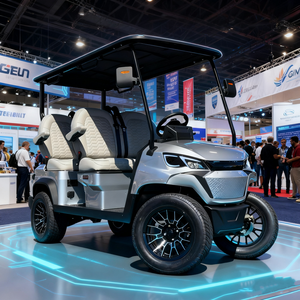
72V EEC Certified Electric Golf Buggy with 5KW 7.5KW High Power Motor Long Life Battery and Steel Construction
Inquire Now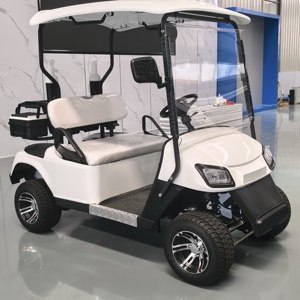
New Electric Off-Road Golf Cart Buggy 3-4 Seats Steel 60V 5KW CE Certified
Inquire Now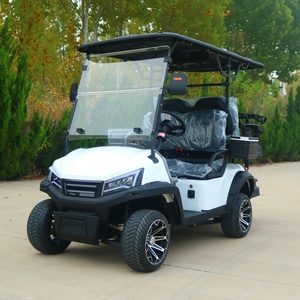
Street Legal 4WD Electric Golf Cart 60/72V Lithium Battery 6-seater Sightseeing Club Car 5000W Motor Electric Cart
Inquire Now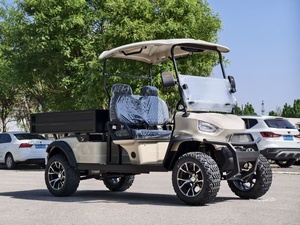
New Arrival 2 Seater Electric Golf Buggy Off Road Sporty Lifted Golf Cart for Farm and Beach Use
Inquire Now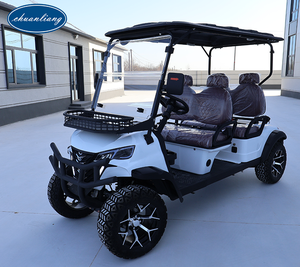
Professional Customized 4 Seater Electric Golf Buggy with Lithium Battery Powered for Resort Golf Course Community
Inquire Now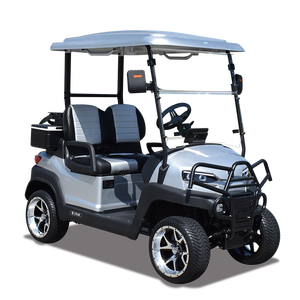
4 Wheel Electric Golf Cart 2 Seat Golf Cart Lithium Golf Buggy Speakers and Lights
Inquire Now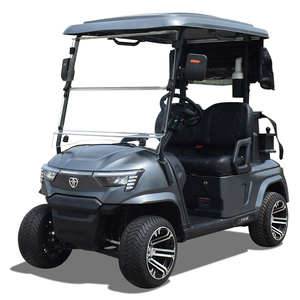
Customizable 2-Seater Electric Utility Golf Cart, Lithium Battery Golf Buggy for Sale
Inquire Now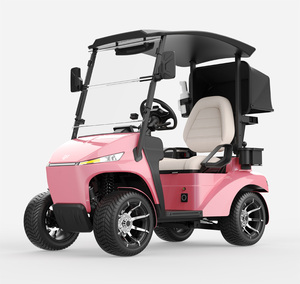
Professional Design Single-Seat Golf Cart Quick-Charge Electric Golf Cart CE Certification Golf Cart 4 Wheel Small Vehicle
Inquire NowChina Industrial Cart Suppliers: Engineering Standards & B2B Procurement Whitepaper
As global industrial sectors, hospitality enterprises, and municipal facilities accelerate transition toward carbon-neutral operations, the demand for high-reliability commercial utility vehicles and electric carts has scaled exponentially. Selecting a top-tier manufacturer among China industrial cart suppliers requires rigorous evaluation beyond initial unit procurement cost. Commercial buyers must analyze structural chassis engineering, motor controller thermal limits, battery chemistry safety profiles, and long-term total cost of ownership (TCO).
Modern industrial carts serve diverse operational duty cycles: heavy cargo hauling in manufacturing complexes, low-noise guest transport in luxury eco-resorts, rough-terrain patrol across agricultural estates, and high-frequency personnel transfer in aviation hubs. This whitepaper establishes authoritative technical benchmarks and future procurement insights for procurement managers, facility directors, and fleet buyers worldwide.
1. Future Procurement Trends in Commercial & Industrial Carts (2025–2030)
The global low-speed electric vehicle (LSEV) industry is undergoing structural technical upgrades. B2B purchasers must position their fleet investments to capitalize on three primary technological macro-shifts:
LiFePO4 Chemistry Dominance
Traditional flooded lead-acid battery technology is rapidly being phased out due to hazardous acid venting, high maintenance watering overhead, and short cycle life (500–700 cycles). High-density Lithium Iron Phosphate (LiFePO4) packs offer 3,500+ deep-discharge cycles, rapid opportunity charging capability, and zero routine maintenance.
Solar-Hybrid Energy Assist
Integrating high-efficiency monocrystalline solar panels onto cart canopy roofs provides continuous trickled-charge generation during daylight operational shifts. Solar integration extends daily battery range by 15% to 25%, reducing grid plug-in frequency and mitigating battery pack thermal stress.
Smart Fleet Telematics & BMS
Next-generation industrial utility carts feature integrated CAN-bus communication architectures linked to cloud telematics. Fleet managers receive real-time telemetry regarding state of charge (SoC), individual cell voltage parity, GPS routing, anti-theft geofencing, and remote fault diagnostics.
2. Technology & Engineering Standards: What Separates Leading Chinese Suppliers
When evaluating cart suppliers from China, technical specifications on paper must be validated against real-world engineering integrity. Premium industrial vehicles are engineered with four foundational structural advantages:
Hot-Dip Galvanized Anti-Corrosion Chassis: Salt spray resistance is critical for resort coastlines, fertilizer-heavy agricultural estates, and humid industrial warehouses. Top-tier manufacturers utilize robot-welded structural steel tubing subjected to hot-dip galvanization inside and out, guaranteeing resistance against rust degradation for up to 15 years.
Brushless AC Powertrains vs DC Motors: Older DC series motors require periodic carbon brush replacements, suffer heat buildup under sustained loads, and deliver poor energy efficiency. Advanced 60V and 72V brushless AC induction or permanent magnet synchronous motors (PMSM)—rated from 5000W to 7500W—provide higher starting torque on steep incline gradients (up to 30%), sealed IP67 dust/water protection, and regenerative braking charge recovery.
| Engineering Component | Standard / Entry-Level Carts | Commercial Grade (Leading China OEM) | Operational Impact |
|---|---|---|---|
| Chassis Frame | Painted Carbon Steel | Hot-Dip Galvanized Structural Steel | Eliminates frame structural rust in coastal or chemical environments. |
| Powertrain Motor | 3.7kW DC Motor | 5.0kW – 7.5kW Sealed Brushless AC Motor | 30%+ higher gradeability, zero maintenance, higher energy yield. |
| Battery Technology | Flooded Lead-Acid (48V) | 60V / 72V LiFePO4 with Smart BMS | Triples cycle lifetime, eliminates watering labor, reduces weight by 40%. |
| Braking Architecture | Rear Mechanical Drum Brakes | 4-Wheel Hydraulic Disc + Electro-Magnetic Parking | Dramatically reduces stopping distance when carrying maximum payload. |
| Suspension System | Basic Leaf Springs | Independent MacPherson Front + Hydraulic Rear shocks | Prevents cargo damage, reduces driver fatigue, improves tire traction. |
3. Enterprise Manufacturing Advantages & OEM Customization Capabilities
Our manufacturing matrix combines deep automotive-grade production standards with agile OEM/ODM customization capabilities. Unlike trading intermediaries, leading specialized industrial vehicle facilities in China offer direct end-to-end engineering collaboration:
Custom Platform Adaptability: From extended 14-seater guest passenger shuttles to heavy-duty hydraulic tipping cargo beds, utility vehicles can be customized according to precise dimensional, payload, and color requirements. Options include ambulance medical stretcher mounts, enclosed housekeeping cabinets, food service insulation boxes, and lifted off-road suspension packages.
Global Compliance & Homologation: Vehicles manufactured under stringent ISO 9001 quality management systems adhere to international safety certifications, including European Union EEC street-legal homologation, CE compliance, and DOT lighting standards required for North American commercial deployment.
Full Drawing Sign-off
Every custom commercial fleet order undergoes detailed CAD 3D layout modeling and electrical schematic sign-off prior to chassis stamping and assembly.
Rigorous Track Testing
Completed units undergo 100% gradient climb tests, water spray tightness verification, speed governor calibration, and full payload brake testing before container loading.
Optimized Logistics Packing
Carts are packed utilizing specialized steel frame SKD/CKD shipping racks inside 40ft High Cube containers, maximizing unit packing density (up to 6–8 units per container) to minimize overseas freight costs.
4. Commercial Buyer Frequently Asked Questions (FAQ)
Q1: What is the real-world operational range of an industrial cart on a full charge?
Real-world driving range depends on battery pack voltage/amp-hour capacity, ambient temperature, vehicle payload, and terrain elevation. A standard 72V 105Ah LiFePO4 battery pack operating on flat resort pathways typically achieves 80–100 km per charge. For heavy-duty cargo carts operating under continuous maximum load on steep inclines, range averages 60–75 km. Optional roof-mounted solar panels supplement daylight battery life, adding an estimated 15–20 km of extended daily operation.
Q2: Why should procurement managers choose 72V AC systems over 48V systems?
Higher voltage architectures (72V versus traditional 48V) reduce electrical current draw (amperage) across the motor wiring harness for the equivalent power output. Lower current draw reduces thermal heat generation inside the motor and controller, significantly boosting energy efficiency, extending component life, and providing higher instantaneous peak torque required for carrying heavy cargo up steep inclines (up to 30% gradeability).
Q3: How many utility carts or electric buggies fit inside a 40ft shipping container?
Container packing capacity depends on whether carts are shipped fully assembled (FBU) or semi-knocked down (SKD with windshields, canopy roofs, and tires packed separately). In a 40ft High Cube container, standard 2-to-4 seater carts typically load 4 to 6 units under FBU, or up to 8 to 12 units under SKD steel rack packaging. Utility trucks with long rear cargo beds or 11–14 seat mini-buses are calculated based on individual wheel-base length.
Q4: What routine maintenance schedule is required for commercial fleet vehicles?
LiFePO4-powered AC electric carts require exceptionally low routine maintenance compared to internal combustion engines or lead-acid models. Recommended preventative maintenance includes: Monthly checks of tire pressures and brake fluid reservoirs; Quarterly inspection of suspension bushings, tie-rod steering linkages, and battery terminal torque; Semi-annual inspection of brake pad wear thickness and gear reduction oil levels. No oil changes, spark plug replacements, or battery watering are ever required.
Q5: Can vehicles be customized with company branding, unique body colors, and specialized accessories?
Yes. Custom OEM factory production includes pantone color matching for body panels, custom stitched leatherette seats with embossed corporate logos, custom wheel rims, weather-proof enclosure curtains, onboard Bluetooth sound systems, strobe beacon lights, tow hitches, and specialized utility boxes. Specification sheets and 3D approval renderings are verified before production commences.
Consult Our Fleet Engineering Team Today
Need customized vehicle specifications, bulk container pricing, or technical CAD drawings for your industrial facility or commercial resort? Our senior mobility engineers are ready to assist.