Featured Passenger Mobility Solutions
Explore high-capacity coaches, city mini-buses, zero-emission tourist shuttles, and luxury transport vehicles engineered for global market standards.
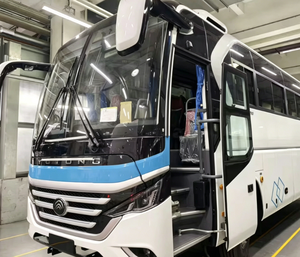
77 Seats Luxury Coach Bus (Cummins Euro 3 / Double Axle)
- Capacity: 77 Seats (2+3 Layout)
- Engine: Cummins Euro III Diesel
- Drive: Right-Hand Drive (RHD)
- Configuration: Double Rear Axle
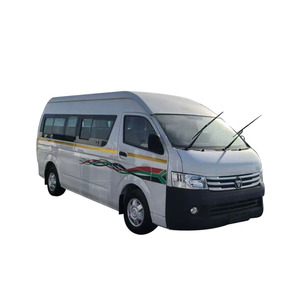
Foton G9 16-Seat Mini Passenger Coaster Bus
- Capacity: 16 Passenger Seats
- Engine: Foton High-Efficiency Diesel
- Application: Commercial Shuttles
- Stock: Brand New Ready for Export

14-Passenger Electric Tourist Shuttle with Luggage Rack
- Powertrain: 100% Zero-Emission Electric
- Capacity: 14 Passengers + Luggage
- Features: Integrated Heavy Deck Rack
- Usage: Resorts, Airports & Scenic Areas
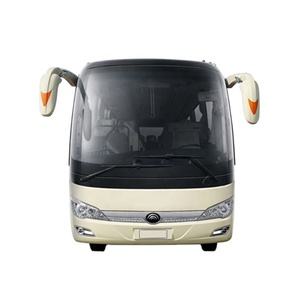
13-Meter Luxury Tourist Passenger Bus (50 Seats Manual)
- Length: 13 Meter Long Coach Chassis
- Capacity: 50 Ergonomic Seats
- Transmission: Heavy-Duty Manual
- Fuel: Turbocharged Diesel Engine
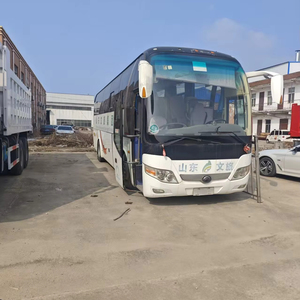
Refurbished 47-Seat Intercity Coach Bus (Good Condition)
- Capacity: 47 Passenger Seats
- Powertrain: High-Torque Diesel
- Status: Fully Inspected & Refurbished
- Advantage: Cost-Effective Intercity Unit
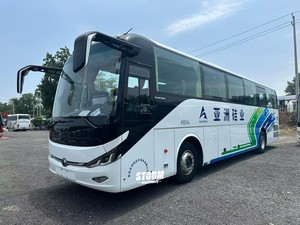
54-Seat High-Capacity Intercity Comfort Travel Coach
- Capacity: 54 Travel Seats
- Category: Pre-Owned Express Coach
- Features: Reclining Seats & AC
- Market: Export Ready for Africa & SEA
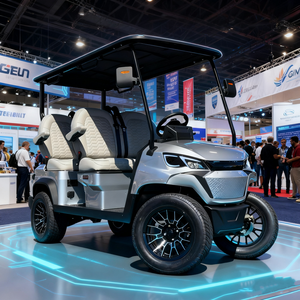
72V EEC Certified Commercial Electric Passenger Buggy
- Motor: 5kW / 7.5kW AC Motor
- Certification: EEC Road Certified
- Frame: Reinforced Steel Chassis
- Battery: Deep-Cycle Long-Life Pack
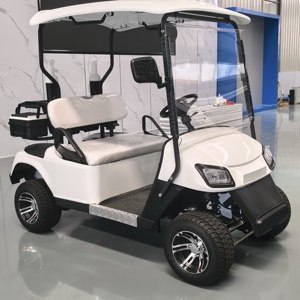
Heavy-Duty 60V 5kW Electric Off-Road Buggy (CE Approved)
- Capacity: 3-4 Passengers
- System: 60V High-Torque AC
- Chassis: Heavy-Duty Off-Road Steel
- Certification: CE Compliant
Industry Overview: The Architecture of China's Commercial Bus Manufacturing
The global commercial passenger transport sector is undergoing a structural paradigm shift driven by stringent decarbonization mandates, evolving urban mobility demands, and the critical need for operational cost reduction. As the world's primary hub for passenger bus production, China's bus OEMs (Original Equipment Manufacturers) and export consortiums have transformed from high-volume assembly lines into advanced technological centers specializing in monocoque structural chassis design, high-density LiFePO4 traction batteries, and severe-climate powertrain optimization.
For international fleet operators, municipal transport authorities, private tourism conglomerates, and mining logistics managers, sourcing passenger buses directly from China offers unmatched total cost of ownership (TCO) advantages. Modern Chinese bus manufacturing integrates end-to-end industrial supply chains—combining tier-1 internal combustion engines (such as Cummins, Weichai, and Yuchai) with state-of-the-art automatic transmissions (ZF, Voith) and indigenous battery technology (CATL, BYD). This structural integration enables factory-direct customization across various vehicle configurations: from high-capacity 77-seat double-rear-axle intercity coaches to 14-seat zero-emission resort shuttles and 16-seat urban mini coasters.
Why Global Procurement Leaders Choose Chinese Export Consortiums
A granular look at structural engineering, anti-corrosion metallurgy, and custom vehicle customization options.
Monocoque Frame Integrity
Unlike conventional chassis-on-frame designs, top Chinese export buses utilize a full-monocoque high-strength alloy steel frame structure. This distributes torsional stress evenly across the entire shell, reducing overall vehicle weight by 10-15%, elevating fuel efficiency, and providing robust rollover protection conforming to UN ECE R66 standards.
Cathodic Dip Electro-Coating
To withstand extreme operating environments—ranging from high-humidity coastal tropical zones to high-salinity island transport networks—vehicle frames undergo an 18-stage full-submersion cathodic electro-coating process (E-coat). This guarantees rust and corrosion resistance for over 10 to 12 years.
Flexible Customization (CKD/SKD)
Export logistics are tailored to international tariff structures. Factories support CBU (Completely Built Up), SKD (Semi-Knocked Down), and CKD (Completely Knocked Down) shipping modes, enabling overseas buyers to optimize import duties, leverage local labor assembly, and customize seating layouts from 14 to 77 seats.
Future Procurement Trends (2026–2035): Shifts in Commercial Fleet Purchasing
Global fleet procurement managers are reassessing traditional acquisition models. Analyzing historical data and forward-looking market projections reveals key trends shaping global passenger vehicle procurement over the next decade:
1. Acceleration of Electrification in Closed Ecosystems
While long-distance intercity transportation retains diesel and hybrid engines for extended range, closed-loop ecosystems—such as international airports, eco-resorts, university campuses, and municipal feeder loops—are rapidly shifting toward 100% electric power. The lowered total cost of ownership (TCO) of commercial LiFePO4 batteries, combined with solar-assisted trickle charging, allows operators to achieve ROI within 24 to 36 months of deployment.
2. Modular Powertrain & Emissions Dual-Tracks
Procurement strategies are increasingly segmented by target market regulations. Exporters must maintain dual-track production infrastructure: offering Euro VI / EPA Tier 4 ultra-clean diesel systems for Europe and North America, alongside mechanically robust Euro III / Euro IV heavy-duty Cummins and Weichai platforms for Latin America, Southeast Asia, and Africa where high-sulfur diesel remains prevalent.
3. Transition to Smart Telematics & Fleet IoT
Modern procurement contracts now mandate factory-integrated CAN-bus telematics. Importers demand real-time diagnostics, remote battery management system (BMS) monitoring, predictive brake-pad wear alerts, and GPS route optimization embedded directly into the vehicle dashboard to minimize downtime.
4. Refurbished & Pre-Owned Certified Fleet Expansion
The global demand for reliable, lower-capital passenger transport has created a thriving sector for certified pre-owned intercity buses (such as 47-seat to 54-seat travel coaches). Chinese factory refitting programs perform complete mechanical overhauls, engine recalibrations, and interior updates—delivering near-new performance at 40-50% lower capital expenditure.
Evaluating Commercial Passenger Bus Categories
Use this technical framework to evaluate passenger capacity, powertrain dynamics, chassis geometry, and duty cycle applicability.
| Vehicle Category | Seating Capacity | Powertrain / Engine Options | Chassis & Frame Design | Optimal Operating Environment |
|---|---|---|---|---|
| High-Capacity Intercity Coach | 50 – 77 Seats | Cummins / Weichai Turbo Diesel (Euro 3 - Euro 6) | Double Rear Axle, Full Monocoque High-Strength Steel | Long-distance intercity routes, high-density public transport |
| Urban Mini Coaster / Shuttle | 16 – 23 Seats | Foton / Isuzu-Tech Diesel Engine | Semi-Monocoque Reinforced Ladder Frame | Corporate staff shuttles, airport transfers, hotel corridors |
| Zero-Emission Tourist Shuttle | 14 – 24 Seats | 72V / 96V AC Electric Motor with Lithium/Lead-Acid Pack | Low-Floor Lightweight Alloy / Tubular Steel Structure | Eco-resorts, national parks, amusement venues, closed campuses |
| Commercial Electric Buggy / Utility | 3 – 8 Seats | 60V / 72V 5kW-7.5kW High-Torque AC Motor | Hot-Dip Galvanized Anti-Corrosion Steel Chassis | Golf courses, resort VIP mobility, back-of-house logistics |
Next-Generation Vehicle Technology & Engineering Roadmap
China's top bus factories are advancing commercial vehicle engineering through continuous innovation in thermal management, structural safety, and powertrain efficiency:
Active Liquid BTMS
Electric buses engineered for Middle Eastern and African climates feature active liquid-cooling Battery Thermal Management Systems (BTMS). This keeps battery cell temperatures strictly within the optimal 25°C to 35°C range, even when ambient temperatures exceed 50°C, preserving cell lifecycle and range stability.
Smart ADAS Integration
Advanced Driver Assistance Systems (ADAS) are now standard across export models. Technologies include Lane Departure Warning Systems (LDWS), Autonomous Emergency Braking (AEB), 360-degree surround-view cameras, and fatigue monitoring sensors to maximize passenger safety.
Lightweight Aluminum Metallurgy
By incorporating space-grade aluminum alloys in side paneling, roof structures, and luggage compartment doors, engineers have reduced vehicle curb weight without compromising structural strength, directly extending tire and brake pad service life.
Frequently Asked Questions by Global Bus Importers
Comprehensive technical and logistical answers to streamline international commercial bus sourcing.
Q1: What is the average lead time for factory-customized passenger bus orders?
Standard lead times for custom-built commercial buses range from 30 to 45 calendar days following engineering drawing approval and deposit receipt. For standard stock models—such as the 16-seat Foton mini coasters or certified pre-owned 54-seat travel coaches—export dispatch can occur within 10 to 15 business days. SKD and CKD orders require an initial 30-day tooling preparation phase for first-time regional factory setups.
Q2: How are large buses packaged and shipped to international ports?
Logistics solutions depend on vehicle dimensions and destination port infrastructure. Large 13-meter to 15-meter coaches are primarily transported via Roll-on/Roll-off (Ro-Ro) vessels or breakbulk cargo ships with full underbody anti-salt corrosion coating. Compact mini-buses (under 6 meters) and electric tourist shuttles are loaded directly into 40ft High-Cube (40HQ) containers via specialized racking frames, fitting up to 2-4 units per container to significantly lower ocean freight costs.
Q3: What spare parts support and warranty frameworks are provided?
Factory export contracts include a standard 12-month or 100,000-kilometer warranty covering core powertrain components (engine assembly, transmission, drive axle, and structural frame). Electric models carry an extended 3-to-5-year battery performance guarantee. Exporters supply wearing-parts packages (filters, brake shoes, belts, lighting assemblies) alongside the initial vehicle delivery and offer rapid air-freight fulfillment for critical components via regional service partners.
Q4: Can engine specifications be adapted for low-quality or high-sulfur diesel fuel?
Yes. Chinese factories engineer engines for specific target-market fuel profiles. For regions with high-sulfur diesel content (above 500 ppm), mechanical fuel injection engines or Euro II / Euro III heavy-duty platforms are supplied without sensitive DPF (Diesel Particulate Filter) or AdBlue/DEF systems. This prevents premature injector fouling and eliminates system downtime.
Q5: What certifications are available for road-legal compliance in overseas markets?
Export vehicles are manufactured to meet regional regulatory frameworks: including WVTA (Whole Vehicle Type Approval) for Europe, GCC/GSO certification for Middle Eastern Gulf states, DOT/FMVSS standards for the Americas, and ADR (Australian Design Rules). Always specify your country's registration requirements during the initial inquiry phase so engineering adjustments can be integrated into the base specification sheet.
Request Engineering Specifications & Factory Pricing
Consult with our international commercial vehicle export team. We provide custom seating configurations, technical CAD drawings, shipping cost calculations, and factory-direct quotation sheets.