Mon–Sat 10:00–17:00 IST Bhiwani, Haryana 127306, India 1-Year On-Site Warranty
Industry Technical Whitepaper

China Wholesale Electric Shuttle Factories & OEM Fleet Engineering

A comprehensive procurement guide to 48V/72V electric golf buggies, resort passenger shuttles, chassis galvanization, and LiFePO4 drivetrain architecture.

Direct OEM Catalogue

Commercial Electric Shuttle & Golf Cart Models

Factory-direct low-speed electric vehicles engineered for resort guest transportation, golf courses, gated communities, and industrial facility logistics.

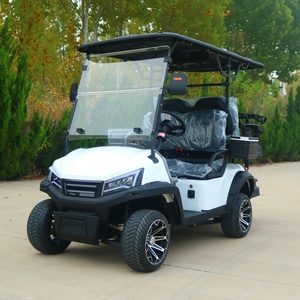
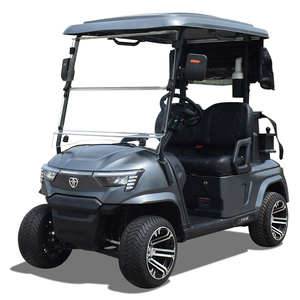
72V High Power 72V EEC Certified Electric Golf Buggy

72V EEC Certified Electric Golf Buggy with 5KW 7.5KW High Power Motor Long Life Battery and Steel Construction

  • System Voltage: 72V AC Drivetrain
  • Motor Rating: 5kW - 7.5kW Peak
  • Certification: EEC / CE Certified
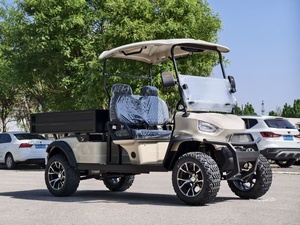
Off-Road Lifted Electric Off-Road Golf Cart Buggy

New Electric Off-Road Golf Cart Buggy 3-4 Seats Steel 60V 5KW CE Certified

  • Capacity: 3-4 Passengers
  • Power Unit: 60V 5kW Brushless
  • Chassis: Steel Heavy Duty
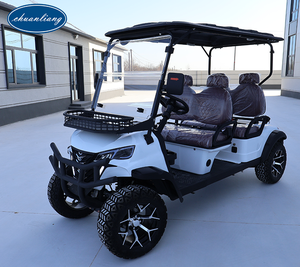
4WD Street Legal Street Legal 4WD Electric Golf Cart

Street Legal 4WD Electric Golf Cart 60/72V Lithium Battery 6-seater Sightseeing Club Car 5000W Motor Electric Cart

  • Drive System: 4WD Dual Motor
  • Seating Layout: 6-Seater Forward
  • Battery Pack: Lithium LiFePO4
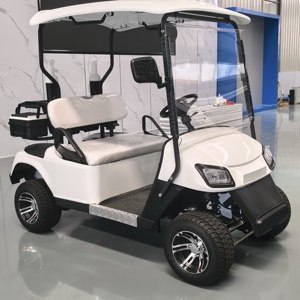
Sport Utility 2 Seater Electric Golf Buggy Off Road

New Arrival 2 Seater Electric Golf Buggy Off Road Sporty Lifted Golf Cart for Farm and Beach Use

  • Application: Farm & Beach Terrain
  • Seating: 2 Seats + Utility Deck
  • Clearance: High Clearance Lifted
Resort Luxury Customized 4 Seater Electric Golf Buggy

Professional Customized 4 Seater Electric Golf Buggy with Lithium Battery Powered for Resort Golf Course Community

  • Primary Use: Resorts & Communities
  • Customization: Full OEM Branding
  • Battery Tech: Smart BMS Lithium
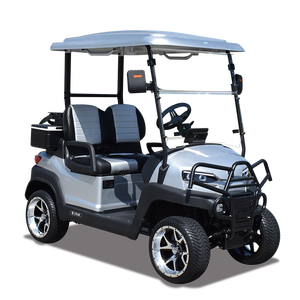
Compact Premium 4 Wheel Electric Golf Cart 2 Seat

4 Wheel Electric Golf Cart 2 Seat Golf Cart Lithium Golf Buggy Speakers and Lights

  • Features: Bluetooth Sound & LED
  • Wheel Setup: 4-Wheel Independent
  • Passenger: 2 Seat Executive
Commercial Utility Customizable 2-Seater Electric Utility Golf Cart

Customizable 2-Seater Electric Utility Golf Cart, Lithium Battery Golf Buggy for Sale

  • Configuration: Cargo / Work Deck
  • Payload: Heavy Utility Grade
  • Power Source: Maintenance-Free Lithium
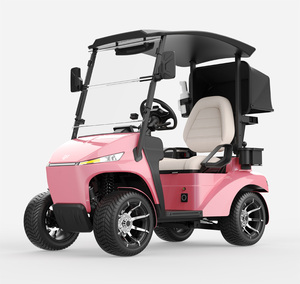
Quick Charge Single-Seat Golf Cart Quick-Charge

Professional Design Single-Seat Golf Cart Quick-Charge Electric Golf Cart CE Certification Golf Cart 4 Wheel Small Vehicle

  • Type: Single-Seat Solo Buggy
  • Charger: Integrated Fast Charger
  • Safety Standard: CE Certified Chassis
500+
Commercial Fleets Deployed
15-20 Yr
Frame Anti-Corrosion Rating
80-100 km
Real-World Single Charge Range
ISO/CE/EEC
Global Regulatory Compliance
Enterprise Manufacturing Capabilities

Why Tier-1 Buyers Partner with China Electric Shuttle OEM Factories

Combining heavy-duty mechanical engineering, advanced robotics welding, and precision AC powertrain tuning to deliver long-life shuttle buggies for global commercial operators.

Hot-Dip Galvanized Chassis

Our shuttle structural frames undergo hot-dip galvanization treatment. This creates an impenetrable barrier against coastal humidity, salt-spray, and turf chemicals, preventing structural fatigue for over 15 years.

High-Torque AC Powertrain

Equipped with maintenance-free 48V and 72V brushless AC motors coupled to Curtis intelligent programmable controllers. Provides smooth acceleration, 25%+ gradient climbing, and energy-recovering regenerative braking.

LiFePO4 & Solar-Hybrid Tech

Transition from traditional flooded lead-acid to automotive-grade Lithium Iron Phosphate (LiFePO4) packs with smart BMS. Integrated roof-mounted PV solar panels provide daytime trickle charging, extending shift cycles by up to 20%.

Modular Customization (OEM/ODM)

Every commercial site has distinct operational needs. We customize seating capacity (2 to 23 seats), enclosure types, hydraulic disc brakes, custom colorways, and integrated cargo beds prior to production.

Technical Engineering Insight

Evaluating China Wholesale Electric Shuttle Factories: The B2B Procurement Playbook

The global commercial low-speed electric vehicle (LSEV) market is undergoing a structural transition. Facilities including luxury resorts, eco-tourism hubs, municipal parks, industrial complexes, and airports are phasing out fossil-fuel buggies in favor of high-efficiency electric shuttles. However, procuring fleet units at scale requires looking far beyond initial aesthetic design. Procurement managers must inspect the underlying engineering architecture to ensure long-term total cost of ownership (TCO) efficiency.

Key Takeaway for Procurement Officers: A cheap electric shuttle built on a painted steel ladder frame will suffer structural frame corrosion within 24 to 36 months when deployed in coastal or high-humidity resorts. Insist on hot-dip galvanized chassis frames certified to ASTM A123 standards.

1. Chassis Structural Integrity & Suspension Dynamics

The chassis serves as the foundation of any commercial electric vehicle. Leading Chinese factories utilize heavy-duty tubular steel welded by automated robotic arms. Following welding, the entire chassis frame undergoes hot-dip galvanization—dipping steel into molten zinc at 450°C. This forms a corrosion-resistant alloy layer that protects against rust even when scratched.

Furthermore, ride comfort directly impacts guest satisfaction. Modern electric sightseeing buses and golf carts feature independent front suspension with double A-arms, coil springs, and hydraulic shock absorbers. This architecture isolates cabin occupants from unpaved trails, gravel paths, and speed bumps while protecting sensitive electronics from vibrational stress.

2. Electric Powertrain Architecture: AC Motors vs. DC Systems

Historical golf buggies utilized brushed DC motors. Modern wholesale OEM factories have transitioned to AC induction or Permanent Magnet Synchronous Motors (PMSM):

  • Maintenance Elimination: AC motors have no carbon brushes to wear down or replace, virtually eliminating motor servicing requirements.
  • Gradient Performance: 72V 7.5kW AC powertrains maintain steady velocity on steep 25% to 30% inclines without overheating.
  • Regenerative Braking: When descending slopes or braking, the motor acts as a generator, recharging the battery pack while reducing brake pad friction and heat build-up.

3. Battery Chemistry Breakdown: Lead-Acid vs. LiFePO4

Choosing the correct battery chemistry directly dictates fleet operational uptime and replacement expenditure over a 5-year accounting cycle:

While flooded lead-acid batteries feature lower upfront acquisition cost, they suffer from high weight, mandatory bi-weekly distilled water maintenance, slow charge cycles (8-10 hours), and a limited cycle life (400-600 cycles). Conversely, Lithium Iron Phosphate (LiFePO4) battery packs provide over 3,500-5,000 cycles, zero routine maintenance, opportunity quick-charging capabilities (1.5-2.5 hours), and integrated Smart BMS monitoring that prevents overcharging, deep discharge, and thermal instability.

Strategic Solar Integration: Incorporating roof-integrated monocrystalline solar panels (200W-400W) provides continuous solar trickle charging throughout daylight shifts, adding 10 to 15 kilometers of extended operational range per day.
Spec Comparison Matrix

Commercial Fleet Platform Selection Guide

Review standard technical configurations across major electric buggy categories to assist your facility's fleet procurement decision.

Vehicle Category Passenger Capacity Drivetrain Voltage Motor Rating Max Gradient Estimated Range (LiFePO4)
2-Seater Lifted Buggy 2 Passengers 48V / 60V AC 4.0 kW - 5.0 kW 25% Grade 70 - 90 km
4-Seater Resort Shuttle 4 Passengers 48V / 72V AC 5.0 kW AC 25% Grade 80 - 100 km
6-Seater Sightseeing Cart 6 Passengers 60V / 72V AC 5.0 kW - 7.5 kW 20% Grade 75 - 95 km
8-Seater Commercial Shuttle 8 Passengers 72V AC High-Torque 7.5 kW AC 20% Grade 70 - 85 km
11-14 Seater Mini Bus 11 to 14 Passengers 72V / 96V AC System 7.5 kW - 10.0 kW 18% Grade 90 - 110 km
Electric Utility Cargo Cart 2 Seats + Cargo Deck 48V / 60V AC 4.0 kW - 5.0 kW 22% Grade 65 - 85 km
Industry Horizon 2025-2030

Future Procurement Trends in Electric Shuttle Manufacturing

The electric shuttle manufacturing landscape in China is rapidly advancing driven by battery technology improvements, intelligent connectivity, and European safety standards (EEC / L7e / M1 certification). Organizations procuring fleets for large-scale operations should align their specifications with these key industry trends:

1. Smart Telematics & Fleet Management Connectivity

Modern commercial shuttles are no longer standalone mechanical assets. OEM factories are embedding 4G IoT telematics modules directly into vehicle wiring harnesses. Fleet managers can remotely monitor real-time battery State of Charge (SoC), geographic GPS location, driver behavior metrics, predictive maintenance alerts, and geofencing speed boundaries through centralized software dashboards.

2. Standardized High-Voltage & Fast-Charging Ecosystems

The industry is transitioning from legacy 48V architectures toward 72V and 96V high-efficiency systems. Higher system voltage reduces current amperage draw across cabling, minimizing heat generation and energy loss. Coupled with commercial fast-chargers, lithium shuttle buses can recover 80% charge during 45-minute lunch breaks, enabling continuous double-shift operation.

3. Lightweight Composite Materials & Circular Manufacturing

To maximize battery range without sacrificing passenger payload, manufacturers are adopting automotive-grade injection-molded PP plastics, aluminum alloy chassis members, and lightweight composite roof structures. In addition, recyclable materials are being prioritized to help commercial buyers meet corporate sustainability compliance goals.

Frequently Asked Questions

Wholesale Electric Shuttle Procurement FAQ

Direct answers to common commercial, engineering, and shipping questions asked by fleet buyers and importers.

What is the real-world operational range of an electric shuttle?

A standard 48V lead-acid system delivers 60–80 km on flat paths. Upgrading to a 72V LiFePO4 lithium battery pack increases usable range to 80–110 km per single charge, maintaining stable voltage even under full 8-passenger capacity and continuous slope climbing.

How many electric golf carts fit into a shipping container?

Shipping efficiency depends on disassembly configuration. Inside a 40ft High-Cube (HQ) container, we can fit approximately 4 to 6 units of 4-seater carts fully assembled, or up to 8 to 10 units with roofs and windshields flat-packed in specialized steel crates.

Can shuttles be customized with custom branding and colors?

Yes. As an OEM/ODM factory, we provide full custom paint matching (RAL / Pantone), custom upholstered seats with embroidered resort logos, specific tire setups (turf vs off-road), enclosed weather curtains, and tailored cargo box extensions prior to manufacturing.

Lead-Acid or LiFePO4 Lithium: Which battery choice is better?

For high-frequency commercial fleets operating daily shifts, LiFePO4 is significantly superior due to zero maintenance, 3x longer cycle lifetime, fast-charging capabilities, and lighter vehicle curb weight. Lead-acid is suitable only for budget-constrained projects with low daily mileage.

What maintenance routines are required for electric cart fleets?

Routine maintenance includes monthly tire pressure checks, checking hydraulic brake fluid levels, torque-checking suspension bolts, and inspecting steering link joints. Lithium battery packs require no water topping, only periodic balancing charges.

Does solar-hybrid technology eliminate mains charger plug-in?

No, the solar panel is designed as a supplementary range extender. It provides continuous power input during daylight operation to offset accessory load (lights, sound systems, fans) and extend overall runtime, but overnight AC plug-in remains primary.

What international regulatory certifications do your vehicles carry?

Our manufacturing lines operate under ISO 9001 quality management systems. Our vehicle lineups hold CE certificates, and select road-legal platforms comply with EEC (European Community Whole Vehicle Type Approval) for low-speed public street usage.

What is the factory lead time and warranty policy?

Standard production lead time is 15 to 25 working days depending on order volume. Vehicles come backed by a comprehensive warranty covering the chassis frame, AC motor, controller, and battery system, supported by fast-ship OEM replacement parts.

Start Your Commercial Fleet Procurement Today

Speak directly with our senior automotive engineering team. Get custom CAD layouts, OEM factory price sheets, container loading plans, and technical specification proposals tailored to your facility.