Factory Direct Commercial Utility Cart Fleet Range
Engineered with automotive-grade chassis, high-torque AC powertrains, and extended-life LiFePO4 battery systems for resorts, industrial parks, and municipal transport.
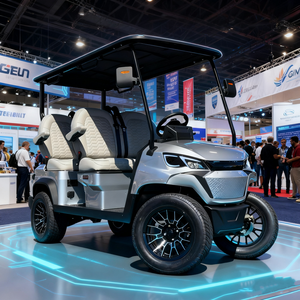
72V EEC Certified Electric Golf Buggy with 5KW 7.5KW High Power Motor Long Life Battery and Steel Construction
Inquire Now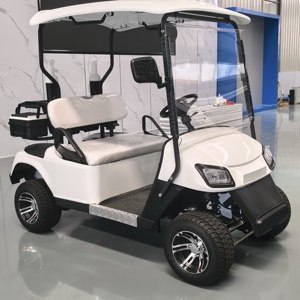
New Electric Off-Road Golf Cart Buggy 3-4 Seats Steel 60V 5KW CE Certified
Inquire Now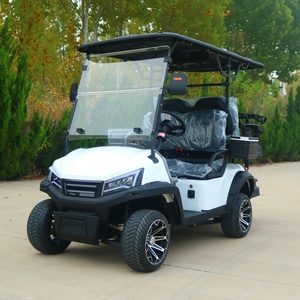
Street Legal 4WD Electric Golf Cart 60/72V Lithium Battery 6-seater Sightseeing Club Car 5000W Motor
Inquire Now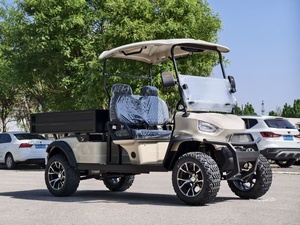
New Arrival 2 Seater Electric Golf Buggy Off Road Sporty Lifted Golf Cart for Farm and Beach Use
Inquire Now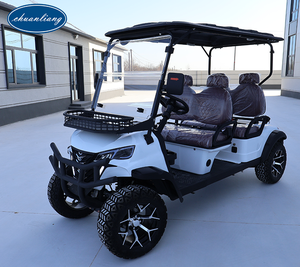
Professional Customized 4 Seater Electric Golf Buggy with Lithium Battery Powered for Resort Golf Course Community
Inquire Now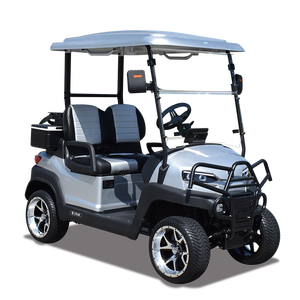
4 Wheel Electric Golf Cart 2 Seat Golf Cart Lithium Golf Buggy Speakers and Lights
Inquire Now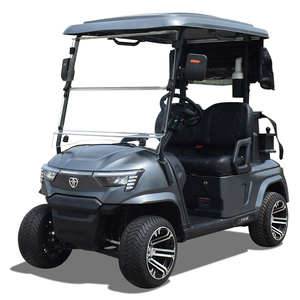
Customizable 2-Seater Electric Utility Golf Cart, Lithium Battery Golf Buggy for Sale
Inquire Now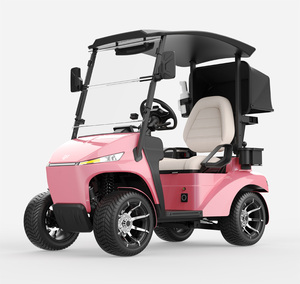
Professional Design Single-Seat Golf Cart Quick-Charge Electric Golf Cart CE Certification Golf Cart 4 Wheel Small Vehicle
Inquire NowExecutive Whitepaper: Strategic Sourcing of Commercial Utility Carts from China
As corporate fleet managers, resort developers, municipal operators, and industrial logistics directors evaluate commercial transport options, the shift toward purpose-built low-speed electric utility carts (LSVs) has reached an unprecedented inflection point. Modern utility carts are no longer simple golf buggies adapted for basic maintenance tasks. Today, they are sophisticated, heavy-duty commercial vehicles engineered to withstand aggressive multi-shift operations, heavy gradient climbing, salty coastal environments, and dust-laden industrial landscapes.
When procuring from top-tier OEM/ODM manufacturers in China, international buyers gain access to world-class battery chemistry integration, advanced AC drive engineering, and automotive-grade frame galvanization at a Total Cost of Ownership (TCO) that drastically outperforms North American and European domestic assembly lines. This whitepaper analyzes the core engineering benchmarks, structural requirements, battery trade-offs, and procurement frameworks necessary to deploy reliable utility cart fleets globally.
1. Structural Engineering Benchmarks: Chassis, Suspension, and Powertrains
The lifespan of a commercial utility cart deployed in daily operation is fundamentally dictated by three core structural pillars:
- Automotive-Grade Galvanized Steel Frame: Unlike standard painted mild steel frames that corrode within 18–24 months in humid or coastal environments (such as luxury beach resorts or island communities), premium Chinese export utility vehicles utilize full hot-dip galvanization or high-yield strength aluminum alloy monocoque structures. This structural protection guarantees corrosion resistance, maintaining frame integrity over 10+ years of rigorous service.
- High-Torque AC Powertrain Integration: Brushless AC induction and Permanent Magnet Synchronous Motors (PMSM) rated at 4kW, 5kW, and 7.5kW have rendered legacy DC brushed motors obsolete. Paired with intelligent controllers (such as Curtis or Enpower units), AC systems deliver up to 30% higher power efficiency, maintenance-free operation, smooth hill-descent control, and automatic regenerative braking that recharges the battery pack during down-slope operation.
- Independent Hydraulic & Heavy-Duty Suspension: To accommodate varied payload capacities—ranging from 400kg standard cargo to 1,500kg heavy material transport—modern utility carts integrate front independent MacPherson strut suspensions paired with rear heavy-duty leaf springs and hydraulic shock absorbers. This combination ensures maximum tire contact, passenger comfort, and structural rigidity on uneven farm terrain or cobblestone resort pathways.
Solar Hybrid Assist
Roof-integrated monocrystalline photovoltaic panels provide continuous trickle-charging during daylight hours, extending daily operational range by 15% to 25% and reducing grid plug-in frequency.
LiFePO4 Power Packs
Advanced Lithium Iron Phosphate chemistry offers 3,500+ charge cycles, rapid 2-hour fast charging options, zero watering maintenance, and superior high-temperature thermal stability.
CE & EEC Road Homologation
Fully compliant with European L7e-CU and North American LSV/DOT safety standards, featuring hydraulic 4-wheel disc brakes, LED lighting, seatbelts, and certified safety glass windshields.
2. Technical Specification & Platform Comparison Matrix
To assist enterprise buyers in matching vehicle platforms with precise operational duty cycles, the following matrix outlines key technical metrics across primary utility buggy configurations:
| Vehicle Platform Class | Motor Rating | Battery Configuration | Payload Capacity | Max Incline | Primary Commercial Application |
|---|---|---|---|---|---|
| 2-Seater Lifted Off-Road Utility | 60V / 72V 5.0kW AC | 105Ah LiFePO4 / Lead-Acid | 450 kg | 30% (16.7°) | Farms, beaches, rough terrain maintenance |
| 4-Seater Commercial Passenger Buggy | 60V / 72V 5.0kW AC | 160Ah LiFePO4 / Deep Cycle | 500 kg | 25% (14.0°) | Resorts, gated communities, hotel shuttles |
| 6-Seater / 8-Seater Resort Shuttle | 72V 7.5kW High Torque | 205Ah LiFePO4 Battery Pack | 750 kg | 20% (11.3°) | Airport terminals, university campuses |
| Heavy Cargo Bed Utility Truck | 72V 7.5kW AC Motor | 210Ah LiFePO4 Power System | 1,200 kg | 22% (12.4°) | Factory logistics, warehousing, construction |
Future Procurement Trends in the Global Utility Vehicle Market
As corporate sustainability mandates accelerate globally, fleet managers are changing how they evaluate, order, and maintain electric utility vehicles. Procurement strategies are shifting from simple initial capital expenditure (CapEx) calculations to comprehensive 5-Year Total Cost of Ownership (TCO) models. Key emerging trends shaping the 2025–2030 procurement landscape include:
A. Rapid Transition to Modular Lithium Iron Phosphate (LiFePO4) Battery Packs
While flooded lead-acid and AGM batteries historically dominated low-speed vehicle purchases due to lower upfront capital cost, they represent a false economy for heavy commercial use. Lead-acid batteries require continuous distilled water topping, suffer voltage drop under heavy acceleration or uphill towing, and require total replacement every 1.5 to 2 years. In contrast, modular LiFePO4 batteries last 8 to 10 years, support opportunity charging during staff shift changes, eliminate dangerous off-gassing, and reduce overall vehicle curb weight by up to 150 kg—drastically lowering energy consumption per kilometer.
B. Telematics Integration and Smart Fleet Management
Modern international buyers are demanding factory-installed IoT telematics modules connected via CAN-bus to cloud management portals. Fleet operators can monitor real-time battery State of Charge (SoC), track GPS position inside massive resort properties or industrial campuses, receive automated maintenance fault alerts, and set remote speed limits for specific operational zones to prevent driver misuse and accident liability.
C. Solar-Hybrid Trickle Charging Integration
The integration of flexible high-efficiency monocrystalline solar panels onto cart canopy roofs has evolved from a novelty feature into an essential fleet requirement for sunny climates (such as the Middle East, Southeast Asia, Australia, and Southern Europe). Solar roofs keep battery systems balanced, prevent deep discharges during standby, and offer emergency power return when vehicles are operating far from central charging stations.
D. Comprehensive OEM/ODM Customization for Brand Consistency
Enterprises are increasingly bypassing generic off-the-shelf distributor models in favor of direct manufacturer customization. Direct sourcing enables custom corporate color matching, embossed leatherette seating, customized rear cargo boxes (such as insulated food delivery boxes, housekeeping linen racks, or medical stretcher mounts), and integrated multi-speaker Bluetooth audio systems for tourist sightseeing tours.
Manufacturing & Development Trends: Why China leads LSV Innovation
China has established an unassailable global leadership position in electric vehicle manufacturing, raw material battery refining, and power controller engineering. By leveraging a fully vertically integrated supply chain—from raw lithium processing and motor copper winding to precision chassis welding and robotic paint spraying—Chinese utility cart manufacturers provide unmatched technical value.
Furthermore, stringent quality management standards such as ISO9001, combined with European EEC/CE and US DOT homologation protocols, ensure that Chinese exported utility carts meet rigorous international safety, braking, lighting, and crashworthiness standards. Global procurement teams can order custom vehicle configurations confident in their operational reliability and regulatory compliance.
Why Global Fleet Operators Partner With Our Manufacturing Engine
Built upon decades of engineering experience, rigorous quality control, and direct factory-to-enterprise logistics.
1-Year On-Site Global Support & Warranty
Every utility vehicle is backed by a comprehensive factory warranty, quick-dispatch genuine spare parts supply, remote diagnostic software support, and certified maintenance manuals.
Full ODM / OEM Fleet Customization
Configure seating arrangements from 2 to 14 seats, chassis height, custom cargo beds, enclosures, paint matching, and brand logo placement prior to production.
Optimized Logistics & Container Loading
Our specialized SKD/CKD packaging maximizes container space, allowing 4 to 6 units per 40ft High Cube container to minimize ocean freight costs per vehicle.
Frequently Asked Questions (FAQ) for B2B Utility Cart Sourcing
Build & Request Your Customized Fleet Quote Today
Connect directly with our senior application engineers to review vehicle specifications, custom branding options, container logistics, and wholesale volume pricing.
Inquire Now