High-Performance Electric Campus Shuttles & Golf Buggies
Engineered for high-duty operational demands, climate resilience, and custom fleet configurations. Select a platform to initiate OEM/ODM specifications.
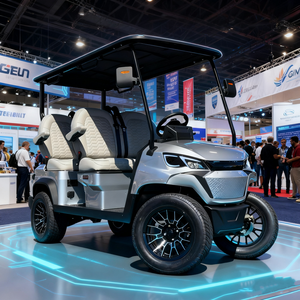
72V EEC Certified Electric Golf Buggy with 5KW 7.5KW Motor
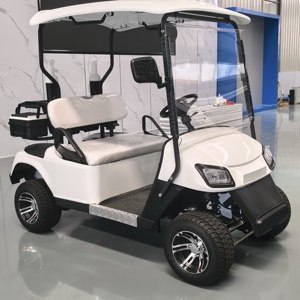
New Electric Off-Road Golf Cart Buggy 3-4 Seats Steel 60V 5KW CE Certified
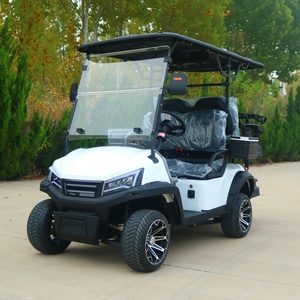
Street Legal 4WD Electric Golf Cart 60/72V Lithium 6-Seater Sightseeing Cart
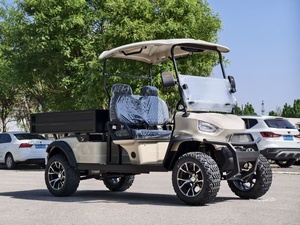
New Arrival 2 Seater Electric Golf Buggy Off Road Sporty Lifted Cart
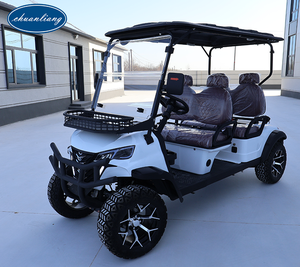
Professional Customized 4 Seater Electric Golf Buggy with Lithium Battery
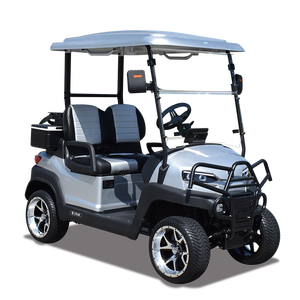
4 Wheel Electric Golf Cart 2 Seat Lithium Buggy with Speakers & Lights
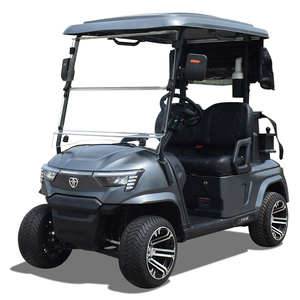
Customizable 2-Seater Electric Utility Golf Cart with Rear Cargo Box
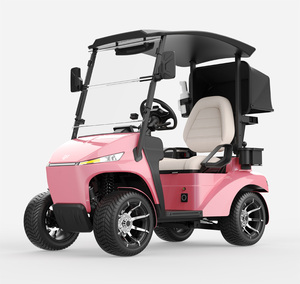
Professional Design Single-Seat Quick-Charge Electric Golf Cart CE Certified
OEM/ODM Electric Campus Shuttle Architecture & Manufacturing Standards
An in-depth analysis of low-speed vehicle (LSV) engineering, thermal dynamics, chassis metallurgy, and powertrain integration for commercial fleet operators.
In modern urban planning, hospitality management, and industrial logistics, micro-mobility and zero-emission internal transit are no longer luxury amenities—they are operational imperatives. As organizations seek to achieve Net-Zero targets, traditional internal combustion engine (ICE) shuttles are being systematically phased out in favor of high-efficiency Electric Campus Shuttles and Golf Buggies. However, sourcing low-speed electric vehicles (LSVs) for intensive commercial use requires a granular understanding of structural engineering, battery management systems (BMS), and total cost of ownership (TCO).
1. Chassis Engineering & Anti-Corrosion Metallurgy
The operational lifespan of a commercial campus shuttle is dictated primarily by structural integrity under continuous load. Inferior vehicles constructed with painted or e-coated mild steel tubings suffer from internal rust degradation when exposed to coastal salt spray, high-humidity resort paths, or acidic rain in industrial parks. As a premier OEM/ODM manufacturer, our production protocol utilizes high-tensile carbon steel subjected to full hot-dip galvanization inside and out.
This process creates a multi-layered zinc-iron alloy barrier that provides active cathodic protection. Even if the topcoat suffers mechanical impact, the zinc anode layer self-heals, preventing subsurface rust creep. Furthermore, our monocoque chassis designs distribute passenger stress loads uniformly across shock-absorbing cross-members, eliminating stress-concentration weld fractures common in budget carts.
2. Next-Generation Powertrains: AC Induction vs. Brushless Permanent Magnet (PMSM)
Legacy golf carts utilized Brushed DC motors, which suffer from commutator wear, excessive heat buildup, and severe energy loss during low-speed, high-torque climbing. Modern OEM/ODM campus shuttles utilize 60V and 72V Brushless AC Powertrains (ranging from 4KW continuous to 7.5KW peak output) paired with intelligent vector control controllers (e.g., Curtis or Enpower systems).
- Regenerative Braking Efficiency: As the shuttle descends gradients or slows down at campus stops, the AC controller acts as a generator, feeding up to 18% of kinetic energy back into the traction battery while dramatically reducing brake pad friction wear.
- Thermal Control Systems: Thermal dissipation is critical during 16-hour continuous resort shifts. Our motor housing features extruded aluminum cooling fins combined with thermal cut-off sensor loops that prevent armature overheating under 100% capacity loads on 15% gradients.
3. Traction Battery Selection Matrix: LiFePO4 vs. Advanced Lead-Acid
Procurement teams must align battery chemistry with daily duty cycles. Below is our engineered comparative breakdown used by fleet buyers to establish operational TCO over a 5-year ROI horizon:
| Specification Metric | Deep-Cycle Flooded Lead-Acid | Sealed AGM Lead-Acid | Lithium Iron Phosphate (LiFePO4) |
|---|---|---|---|
| Energy Density (Wh/kg) | 30 – 40 Wh/kg | 35 – 45 Wh/kg | 120 – 160 Wh/kg |
| Useful Life (80% DOD) | 500 – 800 Cycles | 600 – 900 Cycles | 3,500 – 5,000+ Cycles |
| Maintenance Requirements | Bi-weekly distilled water top-up | Zero maintenance | Zero maintenance + Smart BMS monitoring |
| Weight Impact (48V/72V Pack) | Heavy (~280 kg – 400 kg) | Heavy (~260 kg – 380 kg) | Ultra-light (~80 kg – 140 kg) |
| Charging Efficiency & Opportunity Charge | Slow (8-10 hrs), no opportunity charge | Moderate (6-8 hrs), limited fast charge | Rapid (2-3 hrs), supports mid-shift topping |
| 5-Year Operational TCO Impact | Baseline (High replacement rate) | Moderate (Mid-life replacement needed) | Lowest (Saves 40%+ energy & maintenance) |
While Lead-Acid packs carry a lower initial capital expenditure (CapEx), LiFePO4 chemistry yields superior operational expenditure (OpEx) savings. The massive weight reduction of lithium packs directly increases passenger payload capacity, decreases tire wear, and prevents vehicle suspension sagging over multi-year operations.
Why Enterprise Brands Partner With Our Factory
As a vertically integrated OEM/ODM manufacturer, we control every step of production—from CAD modeling and chassis bending to robotic welding, custom upholstery, and automated dynamometer testing.
Custom Chassis & Seating Layouts
We build tailored wheelbase lengths accommodating 2, 4, 6, 8, 11, and 14 passengers. Configurations include flip-flop rear seating, cargo deck conversions, wheelchair accessibility ramps, and enclosed VIP cabs.
Solar-Hybrid Continuous Auxiliary Charging
Integrated flexible monocrystalline solar canopy panels harness sunlight during daytime shifts, trickling up to 15-20% extra range directly into the battery pack and extending operational shift windows without grid plug-in.
International Safety Certification
Vehicles are engineered to meet global street-legal and off-road standards, including EEC (European Community Whole Vehicle Type Approval), CE compliance, DOT street-legal lighting systems, and ISO9001 quality management audit standards.
Smart BMS & IoT Fleet Telematics
Optional integrated GPS tracking, remote diagnostics, geofencing speed limiters, and real-time battery state-of-health (SOH) reporting empower fleet managers to monitor campus mobility operations from a single dashboard.
OEM Brand Customization
From custom automotive paint color matching (RAL/Pantone) and premium marine-grade stitched vinyl upholstery to corporate logo laser embroidery and custom front grill molding, we build vehicles that align with your corporate identity.
CKD & SKD Export Logistics Optimization
To reduce international freight costs and import tariffs, our factory offers Semi-Knocked-Down (SKD) and Completely-Knocked-Down (CKD) packing formats, allowing up to 18 units to be safely packed into a standard 40ft High Cube container.
Future Procurement Trends in Campus & Resort Mobility
Strategic technology shifts shaping commercial fleet acquisitions across universities, luxury resorts, industrial complexes, and municipal zones over the next decade.
1. The Transition to 72V High-Voltage AC Systems
Historically, standard 48V systems were adequate for flat 2-seater golf buggies on smooth turf. However, modern commercial shuttles carrying 6 to 14 passengers over paved, unpaved, or hilly campus environments demand higher voltage architecture. Transitioning to 72V AC systems lowers electrical current (amperage) draw for the same power output, resulting in significantly lower thermal resistance in wiring harnesses, increased motor efficiency, and longer operational range per cycle.
2. Solar-Augmented Fleet Decarbonization
Resorts and corporate campuses are increasingly installing high-efficiency solar canopies on shuttles. By combining lightweight, shatterproof marine-grade solar panels with MPPT (Maximum Power Point Tracking) charge controllers, vehicles generate supplementary energy while parked or driving in daylight. This reduces reliance on main charging docks, flattens peak grid demand spikes, and serves as a visible commitment to sustainability for guests and stakeholders.
3. Fleet Standardisation & Universal Component Modularization
Enterprise buyers are stepping away from multi-brand fleet purchasing due to fragmented spare parts inventory and varied technician training requirements. Sourcing an entire fleet—ranging from 2-seater maintenance utility carts to 14-seater guest shuttles—from a single OEM/ODM manufacturer ensures component interchangeability across steering assemblies, suspension arms, controllers, lighting modules, and brake hardware. This modularization drops long-term inventory holding costs by up to 35%.
4. Integration of Autonomous & Telematics Safety Features
As campus environments become more pedestrian-dense, fleet safety procurement standards are shifting. OEM manufacturers are incorporating smart features such as radar-assisted automatic emergency braking (AEB), ultrasonic blind-spot monitoring, speed-limiting geofencing in pedestrian plazas, and digital keyless RFID driver activation to prevent unauthorized use.
Frequently Asked Procurement Questions
Technical, financial, and operational answers curated by our engineering and export logistics team to assist enterprise buyers.
Partner with a Leading OEM/ODM Campus Shuttle Factory
From single-resort fleets to multi-location industrial campus mobility programs, our engineering team is ready to design, manufacture, and deliver custom electric vehicles tailored to your exact operational requirements.