Featured Commercial Electric Golf Buggies & Shuttles
Precision-engineered low-speed electric vehicles (LSEV) customizable for hotel chains, golf courses, gated communities, and industrial facilities.
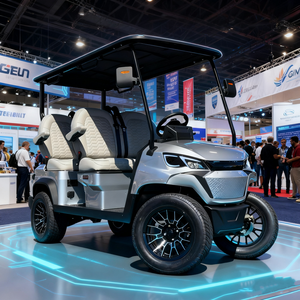
72V EEC Certified Electric Golf Buggy
- Motor Power: 5KW / 7.5KW High Power AC
- Chassis: Heavy-Duty Steel Frame
- Battery: Long-Life LiFePO4 Option
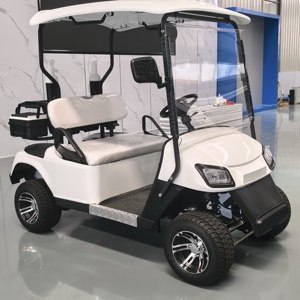
60V 5KW Off-Road Buggy (3-4 Seats)
- Certification: CE Certified
- Capacity: 3-4 Passengers
- Structure: Reinforced Steel Chassis
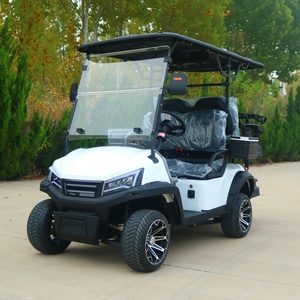
Street Legal 4WD Sightseeing Shuttle (6-Seater)
- Voltage: 60V / 72V Lithium Pack
- Motor: 5000W High Torque AC
- Drivetrain: Full 4WD System
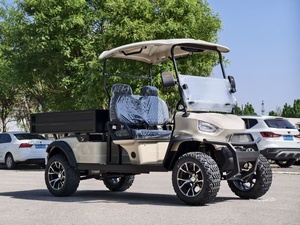
2-Seater Lifted Off-Road Sport Buggy
- Terrain: Farm, Beach & Rough Path
- Suspension: Independent Lifted Kit
- Seats: 2 Passenger Modular
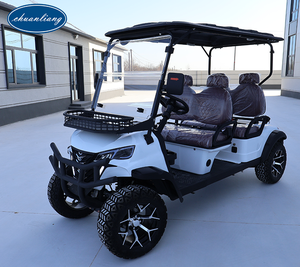
Customized 4-Seater Resort Guest Buggy
- Power System: Lithium LiFePO4
- Target Use: Hotels, Resorts & Golf
- Customization: Body Color & Seating
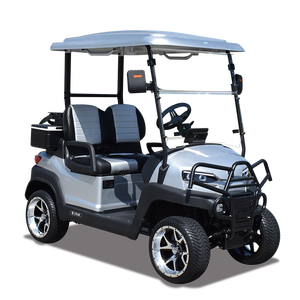
2-Seat Lithium Buggy with Integrated Audio & Lights
- Audio: Built-in BT Speakers
- Lighting: Full LED Road Package
- Battery: Quick-Charge Lithium
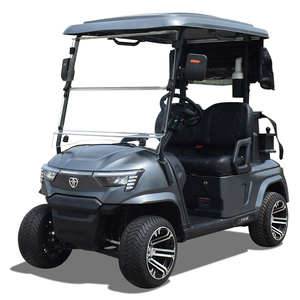
2-Seater Utility Cart with Cargo Bed
- Deck Type: Heavy Rear Cargo Box
- Battery: High Cycle Lithium
- Duty: Maintenance & Operations
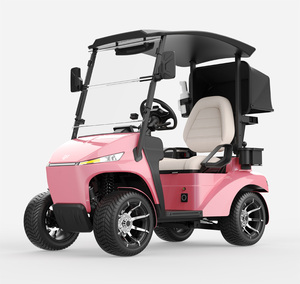
Single-Seat Quick-Charge Electric Cart
- Certification: CE Certified
- Charging: Fast Charge Protocol
- Design: Agile 4-Wheel Compact
Global OEM/ODM Passenger Shuttle Manufacturing Excellence
As large-scale commercial facilities, luxury hospitality resorts, municipal parks, and industrial campuses transition toward zero-emission internal mobility, selecting a qualified OEM/ODM passenger shuttle manufacturer becomes a pivotal decision for long-term operational cost reduction. Commercial low-speed vehicles (LSEVs) operate under demanding duty cycles—facing continuous multi-shift usage, challenging ambient heat, steep gradients, and high passenger turnover. Unlike consumer-grade golf buggies designed for weekend leisure, commercial passenger shuttles require robust structural chassis engineering, advanced thermal battery management, and high-efficiency AC induction drivetrains.
EAYS Electrics operates at the forefront of passenger shuttle manufacturing, delivering fully customized 2-to-14 seater vehicles engineered to withstand heavy-duty multi-passenger transportation. By combining automated automotive-grade assembly lines, electro-galvanized anti-corrosion chassis frame dipping, and intelligent LiFePO4 battery integration, our factory provides international procurement partners with directly scalable, highly reliable OEM/ODM solutions.
Automotive-Grade Galvanized Chassis
Every shuttle chassis undergoes hot-dip galvanization and cathodic electrocoating to completely prevent oxidation and rust, crucial for coastal resorts, tropical beach clubs, and humid island environments.
Brushless AC Powertrains
Utilizing high-efficiency 5KW to 7.5KW AC brushless motors paired with sealed vector controllers, delivering instantaneous gradient climbing power, regenerative energy braking, and zero maintenance brush wear.
International EEC & CE Homologation
Our OEM manufacturing workflows comply strictly with European EEC certification, ISO9001 quality management standards, and CE directives, ensuring seamless road-legal approval across global jurisdictions.
Factory Insight: Choosing an experienced ODM manufacturer enables full customization of wheelbase, seating layouts (facing forward, back-to-back, or perimeter seating), canopy enclosures, solar panels, and brand color matching prior to mass tooling—significantly reducing total lifecycle expenditure.
Future Sourcing & Procurement Trends in Commercial Passenger Shuttles (2025–2030)
The global market for electric passenger shuttles and low-speed sightseeing buggies is experiencing a technological evolution driven by changing environmental regulations, rising battery energy densities, and intelligent fleet automation. B2B purchasers, hotel procurement directors, and municipal fleet managers must evaluate these four dominant trends before allocating long-term capital expenditure:
1. Widespread Adoption of LFP (LiFePO4) Lithium Technology
While flooded lead-acid batteries historically dominated the low-speed vehicle market due to initial low cost, modern fleet operators are shifting exclusively toward Lithium Iron Phosphate (LiFePO4). Lithium packs provide 3,500+ charge cycles compared to 500-800 cycles in lead-acid, eliminate distilled water replenishment maintenance, reduce overall vehicle kerb weight by up to 200kg, and support rapid opportunity charging during lunch breaks without memory degradation.
2. Integrated Solar-Hybrid Range Extension
Roof-mounted monocrystalline solar panels are no longer a novelty; they have become an essential OEM integration feature. Integrated solar roofs supply continuous trickle charging during daylight operation, extending daily battery range by 15% to 25%. In sun-dense regions such as Middle Eastern resorts, Southern European island retreats, and Southeast Asian tourist hubs, solar-hybrid systems reduce grid dependence while extending battery pack life span.
3. IoT Cloud Telematics & Smart Fleet Control
Modern OEM shuttle fleets are deployed with embedded IoT telematics units directly connected to the vehicle CAN-bus system. Fleet managers can monitor battery state-of-charge (SoC), real-time GPS tracking, speed limiting in pedestrian zones, geo-fencing boundaries, driver behavior metrics, and predictive maintenance alerts directly through web dashboards or mobile applications.
4. High-Voltage Architecture (72V System Standardization)
Legacy 36V and 48V direct-current systems are giving way to high-efficiency 72V AC electrical architectures. Higher system voltage significantly reduces current draw (Amperage) for the same mechanical power output, drastically reducing thermal heat buildup in wiring looms and motor windings, increasing slope climbing capability up to 30% incline gradients, and improving motor efficiency.
Technology Matrix: Lead-Acid vs. LiFePO4 Lithium Fleet Economics
To quantify the financial benefits of modern lithium shuttle procurement, our engineering team compiled a 5-year Total Cost of Ownership (TCO) comparison based on a 10-vehicle resort shuttle fleet operating 12 hours daily:
| Evaluation Parameter | Legacy Flooded Lead-Acid | Next-Gen LiFePO4 Lithium (EAYS OEM) | Fleet Impact & Gain |
|---|---|---|---|
| Cycle Life (80% DoD) | 500 - 800 Cycles | 3,500 - 5,000 Cycles | 6x Longer Lifespan |
| Battery Replacement Interval | Every 1.5 - 2 Years | Every 7 - 10 Years | Eliminates 3+ Replacement Cycles |
| Daily Maintenance Labour | High (Watering, Terminal Cleaning) | Zero Water / Zero Terminal Maintenance | Saves 120+ Maintenance Hours/Yr |
| Weight Efficiency | Heavy (High Rolling Resistance) | 60% Weight Reduction | Lower Wear on Suspension & Tyres |
| Opportunity Charging | Not Recommended (Sulfation Risk) | Fully Supported (Fast Charge) | Enables 24/7 Continuous Operations |
| 5-Year TCO Index | 100% Baseline | ~62% Total Expense | 38% Net Financial Savings |
Next-Generation Product Development Trends
The engineering roadmap for passenger shuttles and sightseeing electric buggies is advancing rapidly beyond basic transportation. OEM/ODM manufacturing facilities are investing heavily in advanced materials, ergonomic modularity, and autonomous control systems:
Lightweight Composite Bodies
Replacing traditional heavy fibreglass and basic ABS plastics with high-impact PP (Polypropylene) injection molding and lightweight aluminum alloy sub-frames. This increases impact resistance while maintaining pristine surface aesthetics.
Autonomous L4 Campus Navigation
Integration of LiDAR sensors, ultrasonic radar, and drive-by-wire steering systems to create self-driving low-speed shuttles capable of operating fixed route passenger transfers inside airports, university campuses, and smart cities.
Modular Seat & Cargo Convertible Decks
Patented quick-release seating mechanisms allowing resort operators to convert rear passenger seating into flatbed cargo decks in under two minutes, maximizing fleet utilization for luggage handling or housekeeping duty.
Frequently Asked Questions for B2B Buyers & Importers
Direct technical answers to common questions asked during global OEM/ODM passenger shuttle procurement.
Transform Your Commercial Transportation Fleet Today
Partner with an industry-leading OEM/ODM electric shuttle manufacturer. Contact our engineering and export team to request detailed technical spec sheets, CAD drawings, and factory-direct wholesale pricing.
Contact Us