Standard & OEM Customized Electric Shuttle Vehicles
Explore our certified range of electric golf carts, multi-passenger shuttles, and off-road utility buggies engineered for resorts, golf courses, gated communities, and industrial facilities.
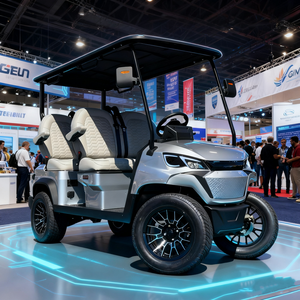 EEC Certified
- System Voltage: 72V DC/AC System
- Motor Rating: 5.0 kW - 7.5 kW AC
- Frame Structure: High-Tensile Steel
- Target Terrain: Resorts & Public Roads
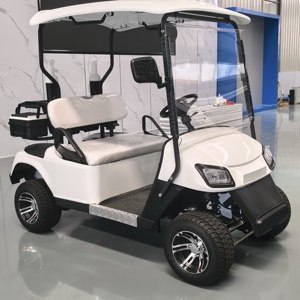 Off-Road Grade
- Capacity: 3-4 Passengers
- Power Unit: 60V 5kW Brushless Motor
- Certification: CE / ISO Standard
- Chassis: Elevated Heavy Duty
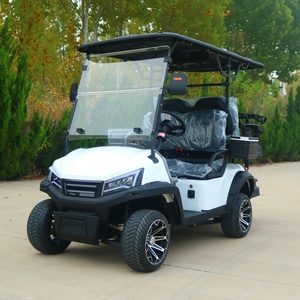 4WD / Street Legal
- Drive Mode: Switchable 4WD
- Seating Layout: 6 Seats Forward/Rear
- Battery Pack: LiFePO4 Lithium Bank
- Motor Output: 5000W Continuous
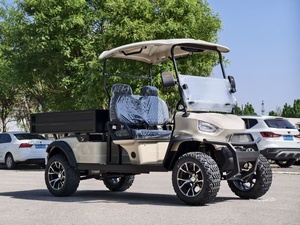 All-Terrain
- Seating: 2-Seater Ergonomic
- Suspension: Lifted Independent
- Primary Use: Farm, Beach & Rough Terrain
- Body Shell: Automotive PP Injection
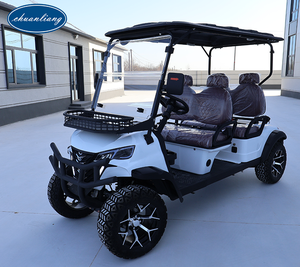 Resort Preferred
- Configuration: 4 Passenger Resort Spec
- Battery Tech: Smart BMS Lithium-ion
- Customization: Colors / Logo Branding
- Charger Type: On-board Smart AC
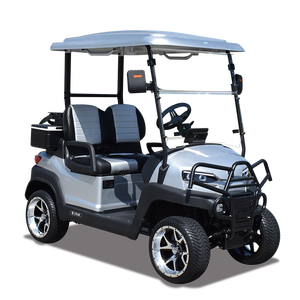 Luxury Package
- Wheels: 10-inch Aluminum Alloy
- Features: Bluetooth Sound & LED Kit
- Braking: Rear Drum + Electromagnetic
- Top Speed: 25 - 30 km/h
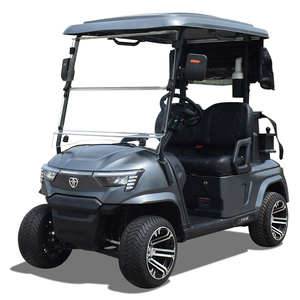 Utility & Cargo
- Payload Deck: Rear Aluminum Cargo Bed
- Load Capacity: 500 kg Heavy Duty
- Powertrain: High-Torque 48V/60V AC
- Operational Use: Facilities & Maintenance
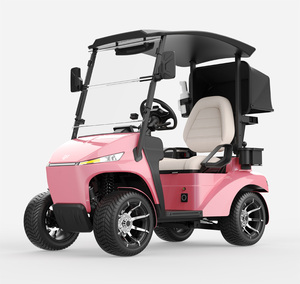 Compact Efficiency
- Occupancy: Single Player / Inspector
- Charging Tech: 2-Hour Fast Charging
- Turn Radius: Ultra-Tight 2.8 Meters
- Dimensions: Compact Footprint
Next-Generation Shuttle Bus Procurement & Future Engineering Trends
An executive guide for procurement directors, resort developers, and fleet operations leaders navigating the transition to commercial electric shuttle buses and custom mobility solutions.
1. The Paradigm Shift in Commercial Low-Speed Vehicle (LSV) Fleet Architecture
The global commercial shuttle transport ecosystem is undergoing a fundamental transformation. Commercial buyers are moving rapidly away from adapted golf carts toward purpose-built OEM/ODM electric mini-buses and high-capacity passenger shuttles. Historically, resorts and industrial parks relied on lightweight 4-seater carts retrofitted with rear bench seats. However, operational duty cycles demand structural longevity, high passenger capacity (up to 14 seats), dynamic hill-climb performance, and rigorous safety compliance.
Modern OEM/ODM suppliers now design shuttle platforms around hot-dip galvanized steel chassis equipped with high-efficiency AC induction or Permanent Magnet Synchronous Motors (PMSM). Operating under 48V to 72V system architectures, these powertrains deliver thermal tolerance up to 50°C ambient temperatures while maintaining energy density over long multi-shift operations.
Key Procurement Insight: Fleet operators transitioning from lead-acid to integrated LiFePO4 battery chemistry report up to a 68% reduction in 5-year Total Cost of Ownership (TCO) driven by zero battery watering maintenance, reduced chassis deadweight, and rapid 2-hour opportunity charging capability.
2. Top 5 Future Trends Shaping OEM/ODM Shuttle Bus Manufacturing (2025–2030)
As enterprise procurement teams evaluate OEM/ODM shuttle suppliers, five critical engineering and technological trends dictate product longevity and return on investment:
| Industry Trend | Core Technical Vector | Operational Impact for Fleet Buyers |
|---|---|---|
| 1. High-Voltage LiFePO4 Transition | 72V / 80V lithium cell integration with CAN-bus BMS telematics | Eliminates voltage drop on steep slopes; extends daily operational range beyond 100 km per charge cycle. |
| 2. Integrated Solar-Hybrid Roofing | Monocrystalline PV canopy panels supplying auxiliary 48V trickle charge | Extends daytime operational duty cycles by 15–22% and reduces grid-tied charging frequency during peak hours. |
| 3. Marine-Grade Anti-Corrosion | Hot-dip galvanizing + electro-deposition coating on structural frame | Prevents chassis rust in coastal resorts, tropical humidity, and high-salinity marine air environments. |
| 4. Telematics & Remote Diagnostics | GPS tracking, cell-level voltage monitoring, and geofencing firmware | Enables predictive maintenance alerts, battery health tracking, and automated speed control in pedestrian zones. |
| 5. Modular OEM Chassis Flexing | Standardized frame rails accommodating passenger, cargo, or ambulance bodies | Reduces spare parts inventory overhead by up to 40% across multi-use institutional fleets. |
Integrating these technical standards ensures that shuttle fleets remain fully compliant with evolving municipal zero-emission zone mandates and high-intensity commercial work cycles.
3. Battery Chemistry Analysis: LiFePO4 vs. Flooded Lead-Acid in High-Duty Transport
A critical decision point during OEM shuttle specification is selecting the traction power supply. While deep-cycle lead-acid batteries offer a lower initial capital expenditure, their high weight-to-energy ratio and strict watering requirements create ongoing operational friction.
Lithium Iron Phosphate (LiFePO4) has emerged as the definitive standard for commercial shuttle buses. Unlike traditional lithium NMC batteries, LiFePO4 chemistry provides exceptional thermal and chemical stability, virtually eliminating thermal runaway risks under prolonged high-current discharge during gradient climbing with 11 to 14 passengers aboard.
| Engineering Metric | Flooded Lead-Acid (Standard) | EAYS Custom LiFePO4 Module |
|---|---|---|
| Usable Cycle Life (80% DoD) | 500 - 800 Cycles | 3,500 - 5,000 Cycles |
| Weight (48V 150Ah Pack) | ~280 kg | ~85 kg |
| Full Charge Time | 8 - 10 Hours | 2 - 3 Hours (Fast Charge Compatible) |
| Maintenance Requirement | Bi-weekly distilled water top-up & terminal cleaning | Zero Maintenance (Sealed BMS Unit) |
| Energy Efficiency | 75% round-trip efficiency | 95%+ round-trip efficiency |
Why Enterprise Buyers Partner with EAYS Electrics
Combining heavy-duty chassis manufacturing, automotive-grade electrical systems, and rigorous quality control for turnkey international deployments.
Hot-Dip Galvanized Steel Chassis
Every shuttle bus chassis undergoes complete hot-dip galvanization to provide complete internal and external frame protection against corrosion, humidity, and coastal salt spray.
High-Torque AC Powertrain
Equipped with maintenance-free brushless AC induction motors (4kW to 7.5kW) paired with Curtis or Enpower smart controllers for smooth braking, hill acceleration, and maximum energy recovery.
Solar Hybrid Auxiliary Charging
Optional roof-integrated monocrystalline solar arrays generate auxiliary charge back into the battery bank during daylight operation, extending shift duty time by up to 20%.
Full OEM/ODM Customization
Tailor seating configurations (2 to 14 seats), custom body pantone colors, weather enclosures, right/left-hand drive, luxury upholstery, and enterprise branding directly from the factory line.
Optimized Container Logistics
Engineered vehicle dimensions allow maximum shipping density in 40ft High Cube containers. SKD/CKD shipping layouts are provided to minimize global freight costs per unit.
1-Year Warranty & Spare Parts Support
Backed by a comprehensive global warranty, documented maintenance schedules, factory technician support, and guaranteed fast-dispatch spare part availability worldwide.
Frequently Asked Questions by OEM/ODM Shuttle Buyers
Clear, engineering-backed answers addressing the most common technical and commercial queries raised by global procurement professionals.
What is the typical lead time and workflow for custom OEM/ODM shuttle bus production?
Standard model production typically requires 15 to 20 business days from drawing sign-off. For custom OEM/ODM builds—which may involve unique seating layouts, custom body molds, specialized utility beds, or specific color matching—lead times range between 25 and 35 days. Engineering CAD drawings and full specification sign-offs are completed before production begins.
What is the real-world operational range of an 11 to 14-seater electric mini bus under full load?
An 11-14 seater electric shuttle equipped with a standard 72V 150Ah LiFePO4 battery pack achieves a realistic operational range of 80 to 100 km on flat to moderate paved terrain carrying a full passenger load. Range varies based on ambient temperature, accessory load (such as air cooling fans or lighting), and steep inclines. Integrated solar roof panels can add 12–18 km of extra daylight range.
How many electric shuttle carts can fit inside a 40-foot High-Cube (40HQ) shipping container?
Container packing depends on vehicle wheelbase and canopy height. For standard 4-seater golf carts, a 40HQ container fits 4 to 6 fully assembled units (or up to 8–12 units under Semi-Knocked-Down / SKD packaging with roofs unmounted). For longer 11-seater electric mini buses or heavy-duty cargo utility vehicles, shipping volume is calculated per unit length, typically allowing 2 to 3 units per 40HQ container.
How do hot weather and high ambient temperatures affect electric shuttle batteries?
High temperatures (above 40°C) accelerate water evaporation in lead-acid batteries and increase internal resistance. EAYS solves this by integrating smart Battery Management Systems (BMS) with thermal cut-offs paired with heat-resilient LiFePO4 lithium cells. This ensures stable power delivery and prevents cell degradation even in desert resort climates across the Middle East, Africa, and South Asia.
Does solar-hybrid technology completely eliminate the need for wall plug-in charging?
No, the solar panel acts as an auxiliary range extender during daytime operation. It continuous feeds supplemental current into the battery pack while the vehicle is idling or moving in sunlight, reducing plug-in cycles during the day. However, overnight mains AC charging via a smart charger is still required for a 100% full battery refresh.
What regular maintenance is required for a commercial fleet of electric shuttles?
Maintenance for electric shuttles is significantly lower than internal combustion engine (ICE) vehicles. Key monthly checks include inspecting tire pressure, brake fluid levels, and chassis bolt torque. For lead-acid models, checking distilled water levels every 2 to 4 weeks is mandatory. Lithium-powered units remove watering entirely, requiring only periodic visual wiring checks and brake pad inspections.
Consult with Our OEM/ODM Engineering Team Today
Whether you require a fleet of 4-seater resort buggies, 14-seater guest shuttles, or customized utility transport vehicles, our engineers provide complete CAD layouts, TCO sizing, and factory-direct quotations.