Featured Commercial Tourist Buses & Sightseeing Shuttles
Customizable OEM/ODM transport solutions engineered for high-frequency passenger routes, theme parks, resorts, and municipal transit systems.
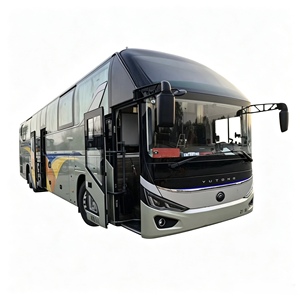 Heavy Duty Coach
3-Axle 6137 Luxury Tour Bus (Customizable to 75 Seats)
- Capacity: Up to 75 Passenger Seats
- Powertrain: High-Torque Diesel / EV Option
- Condition: Low Mileage / Refurbished OEM
- Ideal For: Intercity Tours & Charters
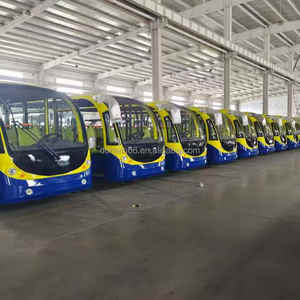 Zero Emission
11-14 Seater Electric City Sightseeing Passenger Shuttle
- Motor: 7.5kW AC Brushless Motor
- Seating: 11 / 14 Ergonomic Seats
- Frame: Hot-Dip Galvanized Steel
- Ideal For: Urban Parks & Campus Shuttles
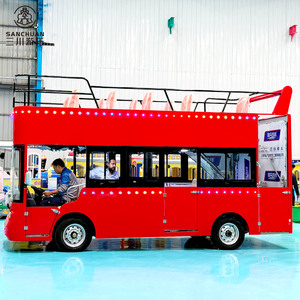 Amusement Special
Open-Top Double Decker Electric Sightseeing Bus
- Battery: Lithium LiFePO4 High Capacity
- View Deck: 360° Panoramic Open Top
- Braking: Pneumatic / Regenerative
- Ideal For: Theme Parks & Scenic Loops
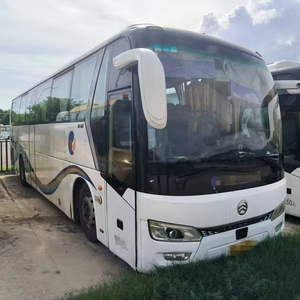 Long Haul Sleeper
50-Bed Sleeper Coach Tourism Bus (Golden Dragon Series)
- Layout: Double-Layer Berth Configuration
- Luggage: High-Volume Underfloor Bay
- Suspension: Air Bag Independent Suspension
- Ideal For: Overnight Transport & VIP Lines
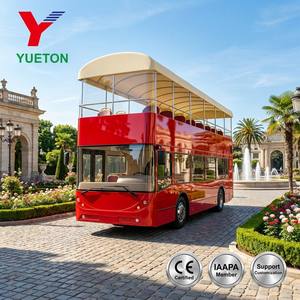 2026 Fleet Edition
17-Seater Compact Electric Double Decker Shuttle (80KM Range)
- Range: 80 KM Per Charge Cycle
- Capacity: 17 Passenger Comfort Seats
- Chassis: Reinforced Monocoque
- Ideal For: Resort Excursions & Heritage Sites
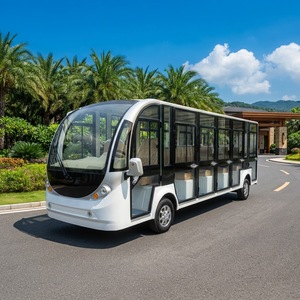 Island & Coast
Panoramic View 17-Seater Electric Sightseeing Vehicle
- Visibility: All-Weather Clear View Curtains
- Protection: Coastal Anti-Corrosion Treatment
- Climbing Rate: 20% Gradient Capability
- Ideal For: Island Resorts & Botanical Gardens
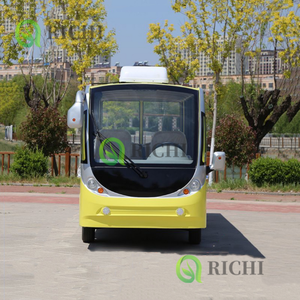 Precision Maneuver
14-Seater Electric Mini Sightseeing Bus (5KW Independent Suspension)
- Drivetrain: 5kW AC Motor with Smart Controller
- Suspension: Front Independent McPherson
- Turning Radius: Ultra-Tight 5.5 Meter Radius
- Ideal For: Narrow Historic Streets & Zoos
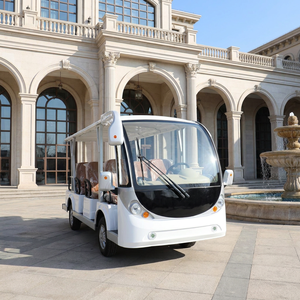 Smart Cockpit
High-Power 11-Seater Sightseeing Bus with Digital LCD Dash
- Dashboard: Full Digital LCD Instrument Cluster
- Power: 72V / 48V High Output System
- Safety: Hydraulic Dual-Circuit Brakes
- Ideal For: Luxury Resorts & Golf Clubs
Enterprise OEM/ODM Manufacturing Capabilities & Infrastructure
As a Tier-1 OEM/ODM tourist bus factory and international supplier, our production eco-system is structured to bridge high-volume vehicle manufacturing with hyper-customized client specifications. Operational environments—ranging from tropical beach resorts suffering intense coastal salt spray to steep, high-altitude mountain reserves—demand structural and electrical solutions built well beyond standard automotive specifications.
Our integrated manufacturing facilities feature automated robotic welding bays, cathodic electrocoating (e-coating) dip tanks, and climate-controlled assembly lines capable of delivering over 3,000 commercial vehicles annually. We prioritize full-spectrum customization across structural, mechanical, electrical, and aesthetic parameters:
Galvanized Chassis Architecture
Every frame utilizes high-strength carbon steel subjected to hot-dip galvanization (micronic layer exceeding 80µm). This eliminates frame rot in high-humidity coastal resort zones.
Proprietary Powertrain Integration
Direct coupling of high-efficiency AC brushless motors with intelligent vector controllers (Curtis / Enpower platforms) delivering up to 96% energy transfer efficiency and low thermal accumulation.
Custom Battery Chemistry Options
Flexible pack integration supporting standard heavy-duty Deep-Cycle Lead-Acid for low CAPEX or premium LiFePO4 (Lithium Iron Phosphate) with integrated BMS monitoring for 3,500+ lifecycle operations.
By keeping structural fabrication, harness routing, and quality assurance under strict ISO 9001 and CE frameworks, we offer international purchasing departments full transparency, guaranteed spare parts availability for 10+ years, and rapid production turnarounds on bespoke fleet orders.
Technological Innovations Driving the Next Generation of Tourist Buses
The global tourism and passenger transit industry is undergoing a radical technical realignment. Driven by municipal zero-emission mandates, rising fuel costs, and passenger demands for silent, comfortable sightseeing, original equipment manufacturers are advancing low-speed electric vehicles (LSEVs) and commercial coaches through three primary technological pillars:
- Solar-Hybrid Energy Assist Integration: Modern open-top and panoramic sightseeing buses are increasingly retrofitted with ultra-thin, flexible monocrystalline photovoltaic (PV) roof arrays. By generating an uninterrupted trickle-charge of 400W–1200W during active daylight operations, solar-hybrid systems reduce grid plug-in frequency by up to 25%, extending operational shift ranges and dampening battery cell thermal stress during peak heat hours.
- Smart Telematics & Fleet CAN-Bus Architecture: Intelligent transit operations require real-time visibility. Our OEM platforms integrate automotive Controller Area Network (CAN-Bus) nodes combined with 4G/GPS telemetry units. Fleet directors can remotely track battery state-of-charge (SoC), cell voltage imbalances, motor thermal trends, driver braking habits, and geofenced speed compliance from a unified cloud dashboard.
- Modular Monocoque Lightweighting: Transitioning from heavy ladder-frame chassis to computer-modeled monocoque spaceframes reduces gross vehicle weight by 15-20% without sacrificing structural torsional rigidity. Lightweighting directly translates to lower energy consumption per passenger-kilometer, reduced brake wear, and extended tire lifespan.
- Regenerative Braking Systems (RBS): Dual-circuit hydraulic brakes coupled with intelligent motor regenerative deceleration recover kinetic energy during downhill descents and frequent stop-and-go resort shuttle runs. RBS continuously feeds energy back into the traction pack while extending brake pad change intervals by up to 300%.
Comprehensive OEM Technical Selection Matrix
Evaluating commercial vehicles requires aligning payload profiles, gradient operational thresholds, and battery duty cycles. The comparative framework below outlines engineering parameters across major OEM platform classifications:
| Platform Class | Seating Range | Standard Motor Output | Max Incline Gradient | Battery Config | Typical Duty Cycle |
|---|---|---|---|---|---|
| Electric Open Shuttle | 11 – 17 Seats | 5.0 kW – 7.5 kW AC | 15% – 20% Gradient | 48V / 72V LiFePO4 | Theme Parks, Zoos, Island Resorts |
| Double Decker Sightseeing | 17 – 45 Seats | 7.5 kW – 15.0 kW AC | 12% – 15% Gradient | 72V / 96V High-Density LiFePO4 | Urban Sightseeing, Botanical Gardens |
| Enclosed Mini Transit Bus | 14 – 23 Seats | 7.5 kW – 10.0 kW AC | 18% – 22% Gradient | 72V / 100Ah – 200Ah Lithium | Airport Terminals, Campus Loops |
| 3-Axle Luxury Heavy Coach | 50 – 75 Seats | 220 kW – 300 kW Internal Combustion / EV | 25% – 30% Gradient | Diesel Direct Injection / 300kWh+ Pack | Intercity Tourism, Charter Lines |
| Long-Haul Sleeper Coach | 38 – 50 Berths | 240 kW – 330 kW Heavy Diesel Engine | 25% Gradient | Dual-Amp Auxiliary Batteries + Generator | Overnight National Park Transfers |
Future Strategic Procurement Trends in the Global Tourist Bus Industry
Procurement directors and fleet operations leads must evaluate capital investments against a 5-to-10-year operational horizon. Analyzing procurement data across North American, European, Middle Eastern, and Southeast Asian commercial shuttle markets reveals several critical purchasing shifts:
1. Transition from CAPEX to TCO Sizing
Procurement decisions no longer pivot solely on upfront acquisition costs (CAPEX). Total Cost of Ownership (TCO) models account for electricity vs diesel fuel price ratios, localized maintenance labor, and cell replacement cycles, proving that LiFePO4 electric buses deliver a net payback within 18–24 months of full operation.
2. Demand for CKD & SKD Logistics Options
To optimize international ocean freight rates and satisfy regional import tariff regulations, global buyers increasingly mandate Completely Knocked Down (CKD) or Semi-Knocked Down (SKD) shipping configurations. Modular assembly systems allow local engineering teams to assemble vehicles using standardized tooling.
3. High Customization in ADA Accessibility
Universal access compliance (such as ADA standards in the US or EC directives in Europe) is moving from an optional add-on to a baseline requirement. OEM factories must offer integrated hydraulic wheel-chair ramps, lowered floor steps, and modular quick-release seating tracks.
Frequently Asked Questions for Fleet Buyers & Dealers
Direct answers to technical, logistical, and commercial inquiries gathered from global procurement officers.
What is the minimum order quantity (MOQ) for custom OEM/ODM orders?
Our baseline Minimum Order Quantity (MOQ) for customized colorways, logo branding, and minor seat configuration adjustments is 1 unit. For structural chassis alterations, custom fiberglass mold creations, or full CKD/SKD production runs, MOQ ranges from 2 to 5 units depending on specification complexity.
How do you pack tourist buses to maximize shipping container efficiency?
Logistics packaging depends heavily on vehicle dimensions. Standard 11 to 14-seater open sightseeing buses are packed at 2 to 4 units per 40ft High Cube (HC) container by utilizing custom steel stacking frames and removing roof assemblies. Larger 12-meter coaches and double-decker buses are shipped via specialized Ro-Ro (Roll-on/Roll-off) vessels or Flat-Rack containers.
Lead-Acid vs. Lithium (LiFePO4) batteries: Which should our fleet choose?
If your operating profile demands low initial capital expenditure and short daily mileage (under 40 km/day) on flat grounds, Lead-Acid remains viable. However, for double-shift resort operations, steep gradients, extreme ambient temperatures (above 40°C), or long daily ranges (80–120+ km), Lithium (LiFePO4) is heavily recommended due to its zero maintenance, 3,500+ lifecycle capability, rapid 2-hour charging, and 30% weight savings.
What warranty coverage and after-sales support program do you provide?
All standard factory builds include a 1-Year Comprehensive On-Site/Parts Replacement Warranty. Core components including chassis frames, AC motors, and intelligent controllers are covered for up to 3 years, while LiFePO4 battery modules carry up to 5-year pro-rated warranties. We maintain a dedicated global spare parts department capable of dispatching critical components via international express air courier within 48 hours.
Can your electric buses handle high ambient heat and steep hill climbs?
Yes. Our vehicles are exported heavily to tropical islands and Middle Eastern desert resorts. We utilize heavy-duty copper-wound motors with integrated thermal sensors, high-grade transmission oil coolers, and IP67-sealed controllers designed to operate continuously at 50°C ambient temperatures. Hill-climbing power is managed via high-ratio reduction gearboxes providing 20–25% gradient capability under full passenger loads.
What documentation is provided for international customs clearance?
We provide full documentation sets required for global port clearance, including Certificate of Origin (Form E, Form F, CO), Commercial Invoice, Detailed Packing List, Bill of Lading, CE Declarations of Conformity, ISO 9001 certificates, and MSDS/UN38.3 test reports for lithium battery shipments.
Our 5-Step OEM/ODM Procurement & Build Process
We streamline international custom vehicle fabrication through a rigorous engineering protocol designed to guarantee zero defects upon port delivery:
1. Technical Sizing
Reviewing route gradient, climate, daily duty cycles, passenger capacity, and regulatory needs.
2. Blueprint Sign-off
Issuing detailed 3D CAD models, seating schematics, wiring harness layouts, and spec sheets for approval.
3. Precision Build
Frame welding, e-coating, power integration, body assembly, and stringent multi-point water/road testing.
4. Global Delivery
Containerized or Ro-Ro dispatch with full customs documentation, spare parts kits, and commissioning guides.
Partner with a Leading OEM/ODM Tourist Bus Factory
Whether you require a fleet of 10 zero-emission electric shuttles for a resort complex or custom-designed 75-seater luxury coaches, our engineering team is ready to deliver tailored solutions on time and within budget.