The global low-speed electric vehicle (LSEV) market is undergoing a structural transition. Driven by hospitality decarbonization mandates, urban zero-emission zones, and resort fleet modernization, Electric Mokes and open-air passenger buggies have evolved from niche recreational cruisers into heavy-duty commercial assets. Selecting an industrial OEM or wholesale supplier requires deep scrutiny of drivetrain topology, chassis rust-proofing, LiFePO4 battery integration, and EEC/DOT homologation standards. This paper serves as an enterprise procurement manual for fleet operators, resort managers, and regional distributors evaluating the world’s leading manufacturers.
Featured Commercial Electric Mokes & Buggy Platforms
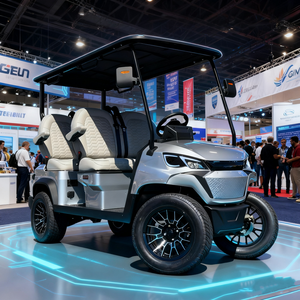
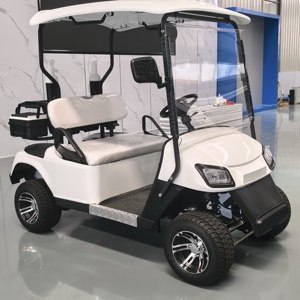
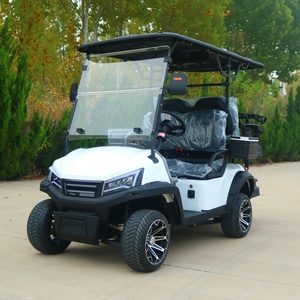
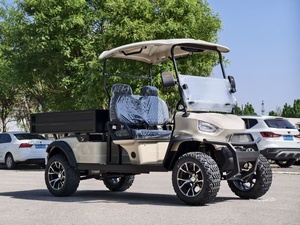
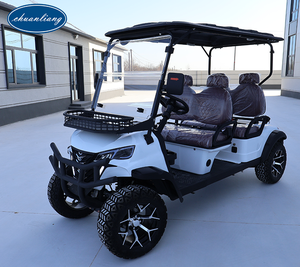
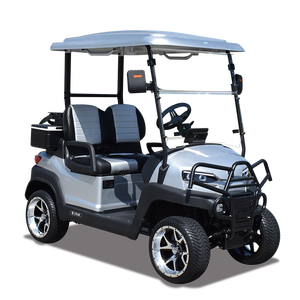
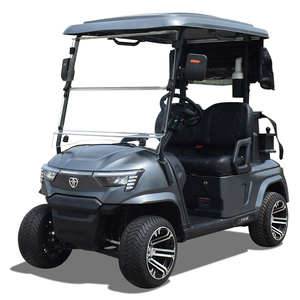
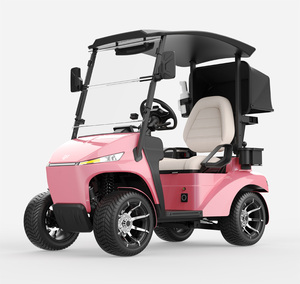
Below are eight flagship electric vehicle platforms engineered for heavy commercial duty cycle applications, ranging from luxury guest shuttles and off-road resort buggies to rugged utility carts. Each model represents verified OEM manufacturing quality with customizable battery configurations.
Industry Analysis: Top 10 Electric Moke & Low-Speed EV Manufacturers
The competitive landscape of Electric Moke manufacturing is defined by two primary operational philosophies: niche lifestyle branding versus heavy-duty commercial OEM manufacturing. Below is an analytical evaluation of the global top 10 suppliers, assessing their engineering architectures, manufacturing footprints, and wholesale adaptability.
1. EAYS Electrics (India & Asia Expansion)
A premier OEM specializing in high-durability electric buggies, mini buses, and commercial Moke platforms. EAYS stands out for hot-dip galvanised monocoque chassis, AC drivetrains optimized for hot ambient temperatures, and integration of solar-hybrid charging systems for continuous operation.
2. Moke America (USA)
Focuses heavily on the North American recreational market. Assembled in the US using imported components, Moke America specializes in street-legal Neighborhood Electric Vehicles (NEVs) with e-coat paint protection, targeted primarily at personal beach commuters and luxury rental fleets.
4. HDK Electric Vehicle (China OEM Hub)
A massive high-volume OEM exporter supplying unbranded and white-label low-speed buggies globally. Known for modern suspension geometries, proprietary controller setups, and strong cost efficiencies across multi-unit container shipments.
3. eMoke International / Moke International (UK)
Owner of the original European design trademark rights. Offers highway-capable electric Mokes (L7e European category homologated) featuring 60V-72V lithium packs and automotive-grade braking systems designed for European island transportation.
5. Bintelli Electric Vehicles (USA Distribution)
Combines overseas manufacturing with rigorous US-based quality control. Offers a wide line of LSVs and resort vehicles featuring powder-coated steel frames, Curtis AC controllers, and custom interior finishes tailored for North American operations.
6. Star EV (Division of JH Global)
Distinguished by its expansive lineup of commercial passenger shuttles and utility vehicles. Focuses on heavy-duty leaf spring suspensions, high towing capacities, and certified safety glass windshields for industrial campus applications.
7. Marshell Green Power (Asia)
One of the earliest industrial manufacturers of electric mobility solutions in Asia. Marshell produces diverse low-speed utility buggies, municipal cleaning carts, and open-air passenger carriers with extensive in-house stamping facilities.
8. Club Car (Commercial / Speciality Division)
An automotive-heritage brand offering high-end commercial utility buggies and custom fleet vehicles. While premium-priced, Club Car utilizes rust-proof aircraft-grade aluminum frames, catering to top-tier golf resorts and university campuses.
9. EzGo / Cushman (Textron Specialized Vehicles)
A powerhouse in industrial passenger and material transport. Textron’s engineering focuses on rugged powertrain durability, mechanical disc brakes, and wide scale parts availability across global service networks.
10. Custom Moke Solutions (Regional Fabricators)
A collective category of specialized boutique manufacturers operating in Thailand, Vietnam, and Southern Europe that rebuild and electrify classic Moke chassis for high-end eco-resorts using modular lithium drivetrains.
OEM Platform Technical Comparison Matrix
To assist procurement directors in evaluating total cost of ownership (TCO) and structural reliability, the table below contrasts core technical metrics across primary manufacturing classes.
| Manufacturer Class | Chassis Anti-Corrosion | Motor Type & Power | Battery Technology | Homologation | Ideal Fleet Application |
|---|---|---|---|---|---|
| EAYS Electrics | Hot-Dip Galvanized Steel Frame | 48V / 72V 5kW–7.5kW AC Brushless | LiFePO4 (BMS) / Solar Hybrid Option | CE / EEC Standard | Commercial Resorts, Shuttles, Industrial |
| US Lifestyle Brands | E-Coated Tube Steel | 48V 4kW AC Motor | AGM Lead-Acid / Optional LiFePO4 | DOT / NEV (US Street Legal) | Personal Beach Use, Island Rentals |
| European Heritage OEMs | Automotive Powder-Coated Steel | 60V 8kW High Torque AC | Modular Lithium-Ion | EEC L7e Highway Approved | Urban Commuting, European Island Transit |
| High-Volume Asian OEMs | Standard Painted Steel Chassis | 48V 3.7kW - 5kW DC/AC | Flooded Lead-Acid / Lithium | CE Certified | Budget Golf Operations, Gated Communities |
Future Procurement Trends in Electric Mokes & Buggies (2025–2030)
Enterprise purchasing of low-speed electric vehicles is shifting from transactional vehicle buys to long-term operational asset management. Key sourcing trends influencing global procurement strategies include:
1. Mandatory Transition to LiFePO4 Chemistry
Lead-acid batteries are rapidly being phased out due to water topping labor costs, thermal degradation in hot climates, and toxic disposal liabilities. Lithium Iron Phosphate (LiFePO4) is now the default standard due to its 2,500+ deep-discharge cycle life, thermal stability, and fast-charging capabilities during shift handovers.
2. Solar Roof Integration as an Efficiency Standard
Integrating monocrystalline PV solar panels directly into the fiberglass or composite canopy canopy adds 15 km to 25 km of passive range per day. For tropical resorts and large industrial plants, solar hybrid charging reduces main grid dependence by up to 30% and significantly extends overall battery bank longevity.
3. Galvanized Chassis Mandates for Coastal Operations
Coastal resorts and island rental operators face severe chassis failure within 24 to 36 months when operating standard powder-coated steel frames. Procurement specs now overwhelmingly demand hot-dip galvanized chassis or aircraft-grade aluminum to guarantee structural integrity over a 10-year service life.
4. Fleet Telematics & Remote Diagnostics
Modern commercial Electric Mokes are increasingly equipped with IoT modules that feed battery state-of-health (SOH), GPS tracking, geofencing speed limits, and fault codes back to a centralized fleet management dashboard, drastically lowering unscheduled maintenance downtime.
Technological Innovations in Electric Buggy Manufacturing
The gap between low-speed vehicles and passenger cars is narrowing rapidly. Leading OEMs are integrating automotive-grade manufacturing methodologies into Electric Moke platforms:
- AC Brushless Motors with Hill Hold Control: Modern 72V AC systems provide seamless regenerative braking, eliminating brake pad wear on steep resort gradients while preventing roll-back on inclines.
- Independent Hydraulic Suspension Systems: Double A-arm independent front suspension setups replace rigid beam axles, delivering smooth passenger transit across unpaved beach paths and uneven turf.
- Modular Body Panel Systems: High-impact, UV-resistant ABS/PP body panels permit rapid, low-cost replacement of individual damaged sections without taking the entire vehicle out of commission for bodywork.
- CAN-Bus Electrical Architectures: Simplified wiring harnesses utilizing digital CAN-bus communication reduce electrical failure points and allow rapid diagnostic scanning during routine service.
Frequently Asked Questions (B2B Sourcing & Maintenance)
A standard 48V 100Ah lead-acid system delivers 60–80 km on flat paved resort terrain with a light load. Upgrading to a 72V 150Ah LiFePO4 lithium battery pack increases usable range to 100–120 km per charge. Range is affected by payload weight, ambient temperature, hill gradients, and accessory power consumption (such as high-draw lighting or audio systems).
Container loading depends heavily on canopy height and length. Typically, a standard 40-foot High Cube (40HQ) container fits 4 to 6 units of 4-passenger buggies when roofs and windshields are flat-packed. Utility vehicles and 11-to-14 seater mini buses require volume-calculated loading schedules due to their extended wheelbase.
Maintenance routines include monthly checks of tire pressure, brake travel, and battery terminal torque. Lead-acid battery packs require bi-weekly distilled water topping to prevent plate sulfation. Upgrading to LiFePO4 lithium packs completely eliminates battery watering, reducing routine maintenance to basic quarterly checks of suspension bushings, brake shoes, and steering linkage alignment.
Yes. B2B orders support full OEM customization including body painting in RAL color codes, branded marine-grade vinyl upholstery, custom alloy wheel designs, utility cargo bed dimensions, canvas enclosure additions, and silk-screened company logos. Technical specification sheets and rendering drawings are provided for sign-off prior to production.
No. Solar roof panels are supplemental charging units designed to top off the battery bank during daylight operation, offset auxiliary power consumption (such as headlights and audio), and extend operating shift time. Overnight grid charging via an intelligent AC charger remains necessary for full replenishment.
Optimize Your Electric Fleet Operations
Whether you are planning a new resort deployment, upgrading campus transit buggies, or looking for certified regional distribution partnerships, our engineering team is ready to assist.