Featured Commercial Fleet Solutions
High-efficiency, heavy-duty electric passenger buggies and utility carts designed for luxury resorts, hotels, golf courses, and commercial campuses.
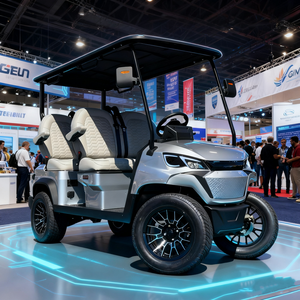
72V EEC Certified Electric Golf Buggy with 5KW 7.5KW High Power Motor Long Life Battery and Steel Construction
Get Catalog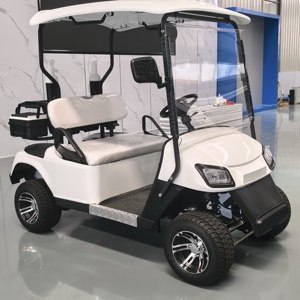
New Electric Off-Road Golf Cart Buggy 3-4 Seats Steel 60V 5KW CE Certified
Get Catalog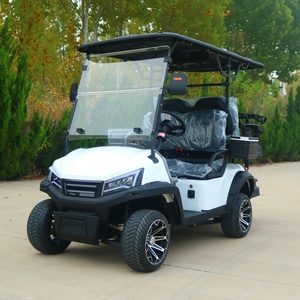
Street Legal 4WD Electric Golf Cart 60/72V Lithium Battery 6-seater Sightseeing Club Car 5000W Motor
Get Catalog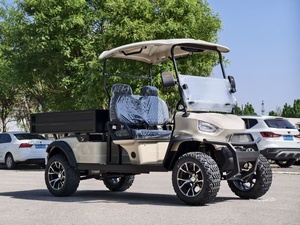
New Arrival 2 Seater Electric Golf Buggy Off Road Sporty Lifted Golf Cart for Farm and Beach Use
Get Catalog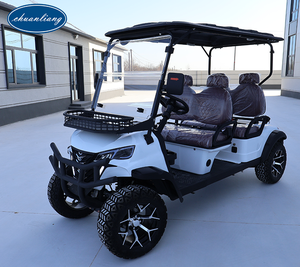
Professional Customized 4 Seater Electric Golf Buggy with Lithium Battery Powered for Resort Golf Course Community
Get Catalog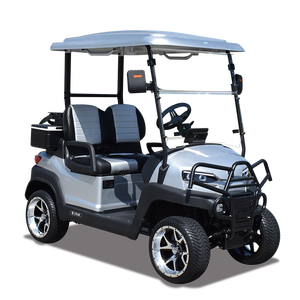
4 Wheel Electric Golf Cart 2 Seat Golf Cart Lithium Golf Buggy Speakers and Lights
Get Catalog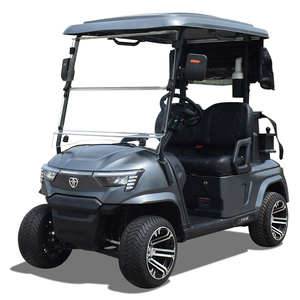
Customizable 2-Seater Electric Utility Golf Cart, Lithium Battery Golf Buggy for Sale
Get Catalog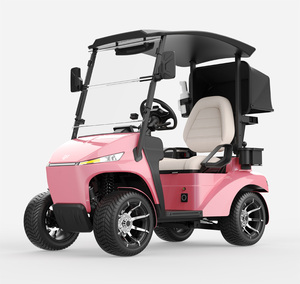
Professional Design Single-Seat Golf Cart Quick-Charge Electric Golf Cart CE Certification Small Vehicle
Get CatalogGlobal Hotel Buggy Manufacturing Industry Overview
An in-depth technical analysis for procurement directors, resort asset managers, and commercial mobility engineers evaluating low-speed electric vehicles (LSEVs).
The global hospitality sector is undergoing a profound structural shift toward decarbonized, whisper-quiet ground transportation. As luxury resorts, coastal villas, eco-lodges, and sprawling hotel complexes expand, the demand for high-reliability electric hotel buggies, passenger shuttles, and utility transport vehicles has reached unprecedented levels. Modern hotel buggies are no longer basic golf carts repurposed for guest transport; they are precision-engineered electric platforms designed to endure heavy daily duty cycles, high ambient temperatures, humid microclimates, steep gradients, and continuous stop-and-go usage.
Selecting the right hotel buggy manufacturer requires a thorough evaluation beyond surface-level aesthetics. Operational downtime directly impacts guest satisfaction scores and inflates maintenance expenditures. In this comprehensive procurement report, we benchmark the global manufacturing landscape, evaluate the top 10 market leaders, analyze upcoming technological innovations (such as solar-hybrid integration and LiFePO4 battery management), and provide a strategic framework for Total Cost of Ownership (TCO) optimization.
Analysis of Top 10 Hotel Buggy Manufacturers worldwide
When evaluating global original equipment manufacturers (OEMs) and original design manufacturers (ODMs) for hotel buggy fleets, buyers typically navigate a landscape divided between traditional Western OEMs and agile, cost-efficient Asian manufacturing hubs. Below is an analytical evaluation of the premier manufacturers leading the commercial resort vehicle industry:
1. EAYS Electrics
HQ: Bhiwani, Haryana, India
Specializing in 2-to-14 seater hotel buggies, solar-hybrid passenger shuttles, and heavy-duty utility carts. Renowned for hot-climate thermal resilience, hot-dip galvanised chassis construction, AC brushless powertrains, and customized heritage/vintage coachwork for luxury hospitality.
2. Club Car (Ingersoll Rand)
HQ: Augusta, Georgia, USA
A legacy American manufacturer recognized for its rust-proof aircraft-grade aluminum frames (AlumiCore™) and Carryall commercial utility line. Features robust build quality, premium pricing, and wide North American distribution network.
3. E-Z-GO (Textron Specialized Vehicles)
HQ: Augusta, Georgia, USA
Pioneers in AC motor efficiency and automatic parking brake technology. Their RXV and Valor platforms are widely deployed across global resorts and golf courses requiring standardized operational safety.
4. Yamaha Golf-Car Company
HQ: Kennesaw, Georgia, USA / Japan
Leverages automotive-grade engineering, independent rear suspension (IRS), and high-efficiency AC motors. Known for exceptional passenger comfort and smooth ride quality over uneven resort terrain.
5. Marshell Green Power
HQ: Shenzhen, China
One of Asia’s largest LSEV exporters, producing broad lines of electric golf buggies, resort shuttles, and street-legal mini-buses. Offers extensive OEM branding and competitive volume manufacturing capabilities.
6. LVTONG Electric Vehicle
HQ: Dongguan, China
Mass-market manufacturer providing cost-efficient passenger buggies with customized fiberglass/injection-molded body panels. Widely distributed across Southeast Asia and the Middle East.
7. HDK Electric Vehicles
HQ: Xiamen, China
Focuses on stylish, lifted off-road golf carts and resort utility vehicles. Integrates lithium-ion battery technology as standard with customizable seating layouts.
8. STAR EV (JH Global Services)
HQ: Simpsonville, South Carolina, USA
Offers a high proportion of street-legal Low-Speed Vehicles (LSVs) certified for campus and resort operations with rigorous safety compliance options.
9. Pilotcar EV
HQ: Bursa, Turkey
European manufacturer specializing in modular compact utility vehicles, hospitality shuttles, and urban electric delivery buggies designed to EU automotive standards.
10. Garia Utility
HQ: Greve, Denmark
Ultra-luxury resort and utility vehicle builder. Combines Scandinavian design with premium automotive craftsmanship tailored for high-end boutique properties.
Enterprise Manufacturing Core Competencies: EAYS Electrics
As a specialized manufacturer serving top-tier hospitality groups across Asia, the Middle East, and Africa, EAYS Electrics engineers its vehicle range to overcome the chronic failure points common in standard electric carts. Our manufacturing engineering focuses on structural longevity, electrical safety, and modular fleet customisation:
- Hot-Dip Galvanised Structural Steel Chassis: Standard painted steel frames succumb to salt air rust in coastal beach resorts within 18–24 months. EAYS utilizes full hot-dip galvanisation, offering an anti-corrosion barrier guaranteed to withstand humid, saline microclimates.
- High-Torque 48V / 72V AC Powertrains: Brushless AC induction motors deliver continuous torque up to 7.5 kW with zero carbon brush wear, automatically adjusting output on 20%+ gradients without thermal shutdown.
- LiFePO4 Smart Battery Management Systems (BMS): High-density Lithium Iron Phosphate chemistry paired with active cell balancing ensures 3,500+ charge cycles (8–10 years operational life) with built-in thermal safeguards against ambient heat exceeding 45°C.
- Integrated Roof PV Solar-Hybrid Charging: Proprietary mono-crystalline solar panels integrated seamlessly into the vehicle canopy provide continuous trickle charging during daylight operation, extending shift range by 15–25% and reducing mains grid dependence.
- Fully Customisable Hospitality Coachwork: From custom brand-matched paint finishes and weather-resistant marine-grade leather upholstery to vintage bonnet styling and motorized baggage drop decks, every cart is tailored to your resort’s exact aesthetic guidelines.
Key Technology & Procurement Trends in Hotel Mobility
Procurement directors and fleet managers must look beyond current requirements and anticipate industry technological transformations over the next decade. Major innovations reshaping hotel buggy sourcing include:
1. The Complete Shift to LiFePO4 Chemistry
Traditional lead-acid batteries are rapidly being phased out due to high maintenance requirements (distilled water topping, terminal corrosion, acid leaks) and short cycle lifespans (500–800 cycles). LiFePO4 packs allow opportunity charging during staff meal breaks, zero maintenance, and a 60% reduction in curb weight, minimizing turf and pavement wear.
2. IoT Telematics & Smart Fleet Monitoring
Modern commercial fleets are equipped with CAN-bus GPS telematics. Resort operations managers can track vehicle location in real-time, set geofenced speed limits (e.g., 15 km/h in pedestrian zones), monitor real-time state-of-charge (SoC), and receive predictive maintenance alerts before a breakdown occurs.
3. Solar-Hybrid Renewable Auxiliary Power
Integrating flexible glassless solar modules directly into the buggy roof canopy allows continuous energy harvesting during outdoor guest transfers. This reduces grid power consumption, stabilizes battery voltage, and supports eco-certification goals (such as LEED and Green Key hospitality standards).
4. Modular Chassis & Dual-Duty Configurations
Resorts increasingly prefer flexible vehicle platforms. Quick-release rear seat kits convert a 4-seater guest buggy into a flatbed luggage handler or housekeeping supply cart in under 5 minutes, maximizing fleet utilization across day and night shifts.
Total Cost of Ownership (TCO) Decision Matrix
Initial capital expenditure (CAPEX) represents only 30% to 40% of an electric buggy’s lifetime operating cost. Below is an engineering comparison matrix detailing the 5-year TCO impact of battery architecture and chassis choice:
| Evaluation Parameter | Standard Lead-Acid Pack | EAYS LiFePO4 Pack | EAYS Solar-Hybrid LiFePO4 |
|---|---|---|---|
| Cycle Lifespan (80% DoD) | 500 – 800 Cycles (1.5 - 2.5 Years) | 3,500+ Cycles (8 - 10 Years) | 4,000+ Cycles (Extended by PV) |
| Routine Maintenance | High (Bi-weekly water top-up) | Zero Maintenance (BMS Controlled) | Zero Maintenance (BMS Controlled) |
| Charging Efficiency | 75% - 80% (High heat dissipation) | 95%+ (Rapid opportunity charge) | 95%+ (Mains + Solar trickle) |
| Chassis Rust Resistance | Standard Powdercoat (2-3 Yrs) | Hot-Dip Galvanised (10+ Yrs) | Hot-Dip Galvanised (10+ Yrs) |
| 5-Year Replacement Cost | 2 Full Battery Swaps Required | $0 (Original Pack Retained) | $0 (Original Pack Retained) |
| Overall 5-Year TCO | High (Hidden operational cost) | Low (35% Savings) | Lowest (48% Total Savings) |
Frequently Asked Questions (FAQ) for Fleet Buyers
Direct technical and commercial answers for hotel procurement managers, engineering directors, and resort fleet operators.
What is the real-world operational range of an EAYS electric hotel buggy?
On flat resort pathways carrying a standard two-passenger load, a 48V lead-acid battery configuration provides 60–80 km of range per charge. High-capacity LiFePO4 lithium battery packs sustain higher system voltage under load, delivering 80–100 km per charge on flat ground and approximately 15–20% greater usable range on sloped terrain. Range varies depending on gross payload, hill gradient, ambient temperature, and continuous usage of accessories such as headlights, sound systems, or cab ventilation fans.
Can vehicles be fully customized to align with our hotel brand identity?
Yes. Every vehicle built by EAYS Electrics can be customized according to your brand specification sheets. Configurable options include custom PPG automotive paint matching, marine-grade hand-stitched vinyl upholstery, bespoke canopy contours, custom alloy wheels, rear luggage racks, housekeeping boxes, enclosure curtains, and laser-cut illuminated resort logos. Full CAD specification drawings are submitted for technical sign-off prior to production manufacturing.
How many electric golf buggies fit inside standard sea freight shipping containers?
For global export shipping, container loading optimizations are as follows: A standard 20 ft container accommodates 2 to 3 fully assembled 4-seater buggies (or SKD knocked-down units). A 40 ft High Cube (HC) container typically fits 4 to 6 four-seater passenger buggies when windshields and canopy structures are packaged in modular crates. High-capacity 11-to-14 seat mini-buses and extended utility trucks are calculated individually based on overall length and wheelbase dimensions.
What routine preventative maintenance is required for commercial hotel cart fleets?
Fleet maintenance should follow a structured schedule. Monthly tasks include verifying tire pressures, inspecting brake pedal free-play, checking hydraulic fluid levels, and cleaning battery terminal posts. Quarterly service includes inspecting suspension bushings, steering rack tie-rods, wheel bearing play, and wiring harness tightness. Lead-acid battery packs require distilled water replenishment every 2 to 4 weeks. LiFePO4 lithium packs require zero watering maintenance and only need periodic balance charging via an automated BMS system.
Does an integrated roof solar-hybrid panel completely eliminate plug-in charging?
No. The roof solar panel operates as a supplementary trickle-charging system during daylight hours. It supplies direct auxiliary power to offset battery drain from driving, headlights, and onboard electronics, extending your daytime operational shift by up to 20 km. However, primary overnight recharges using standard AC mains wall chargers (or fast DC chargers) are still necessary for complete battery replenishment.
How do high ambient tropical temperatures affect electric buggy battery life?
Unmanaged high ambient temperatures (above 40°C) accelerate grid corrosion and electrolyte evaporation in standard lead-acid batteries, cutting service life by up to 40%. EAYS LiFePO4 packs feature integrated thermal monitoring and automated BMS temperature cut-offs, preventing charge acceptance when internal cell temperatures exceed safety thresholds, thereby maintaining full design life even in demanding tropical or desert climates.
Ready to Electrify Your Resort Fleet?
Speak with our senior mobility engineers today to configure custom seating, select optimal battery architecture, and receive full factory-direct pricing for your project.