Featured Commercial & Industrial Utility Vehicles
Engineered for harsh terrain, extreme temperature performance, and minimal lifecycle cost. Explore top exporter offerings direct from OEM production lines.
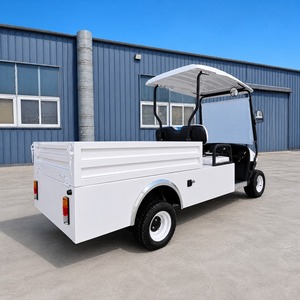
- Drivetrain48V / 4kW AC Motor
- Payload Cap450 kg (Rear Deck)
- ChassisGalvanized Steel Frame
- Battery OptionLead-Acid / LiFePO4
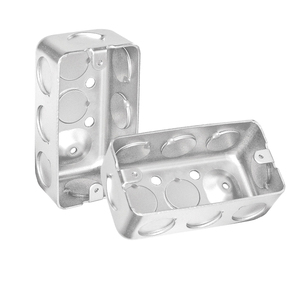
- ProtectionIP65 Waterproof / NEMA 4
- MaterialCold-Rolled Sheet Steel
- CertificationUL, RoHS, CE Compliant
- ApplicationWall & Vehicle Mounted
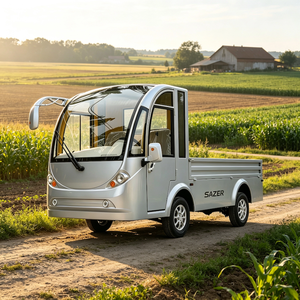
- Load Capacity1000 kg Rated Payload
- Range80–110 km per Charge
- System Voltage60V / 72V High Torque
- UsageFarm, Park, Industrial
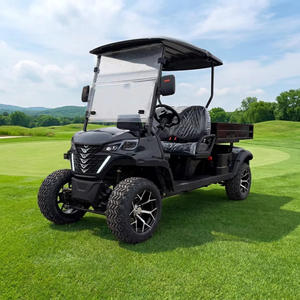
- SuspensionLifted Independent Front
- SpeedUp to 40 km/h (Configurable)
- FeaturesDump Bed, LED Lighting
- TerrainOff-Road & Resort Paths
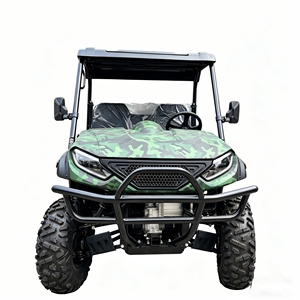
- Power10kW Dual AC Motors
- Drive SystemSwitchable 2WD / 4WD
- Climbing Ability35% Max Gradient
- EnvironmentRanch, Mountain, Jungle
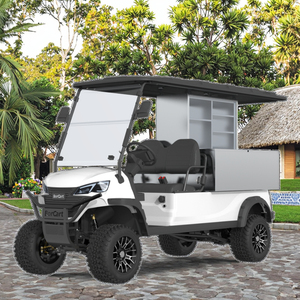
- ConfigurationInsulated Beverage Box
- Drive4WD / Quiet AC Drive
- Duty CycleContinuous 10-Hour Shift
- TargetHotels, Resorts, Courses
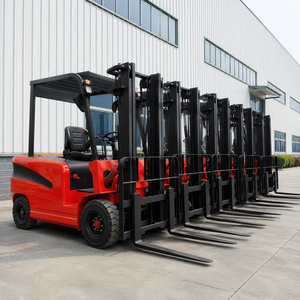
- Lift Capacity1000 kg - 5000 kg
- Power Voltage60V / 80V Traction Battery
- Mast Height3m to 6m Duplex/Triplex
- Control SystemCurtis / Zapi AC Controller
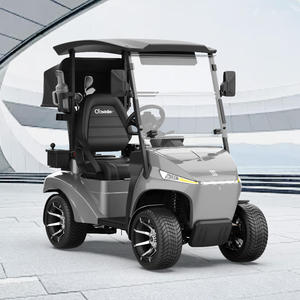
- Max Speed30 km/h (Regulated)
- Gradeability15–20% Incline Capability
- Safety TechBeacon Lights, PA System
- ApplicationAirport, Security, Campus
Strategic Sourcing Guide: Navigating Chinese Electric Utility Vehicle Manufacturing
The global transition toward zero-emission commercial operations has transformed low-speed electric vehicles (LSEVs), utility terrain vehicles (UTVs), and specialized industrial electric transport from niche alternatives into critical enterprise assets. Chinese manufacturing hubs—primarily situated across Jiangsu, Zhejiang, Shandong, and Guangdong provinces—now control over 70% of global OEM supply capacity for electric utility buggies, resort shuttles, and light electric cargo vehicles. However, for B2B fleet buyers, institutional procurement managers, and international distributors, identifying premier export partners requires evaluating engineering integrity beyond surface aesthetics.
1. Structural Frame Engineering & Cathodic Dip Anti-Corrosion
The operational lifespan of an electric utility vehicle deployed in demanding environments—such as coastal resorts with high salinity, dusty agricultural estates, or high-humidity factory floors—is predominantly governed by frame metallurgy. Tier-1 Chinese exporters utilize automated robotic MIG welding to construct tubular carbon steel or aluminum alloy chassis. Crucially, leading factories subject raw frames to electrophoretic coating (KTL cathodic dip), creating an impenetrable 25–30 micron protective layer that resists rust, salt spray, and chemical exposure for over 10 years.
Conversely, lower-tier suppliers frequently rely on manual welds and basic powder coating, leading to structural fatigue, frame rusting beneath body panels, and premature fleet decommissioning. When conducting factory audits, buyers must verify ISO 9227 salt spray test certifications (minimum 960 hours rating).
2. Powertrain Architecture: AC Synchronous Motors & Controller Calibration
Modern electric utility transport has largely phased out legacy Brushed DC motor configurations in favor of 3-Phase AC Brushless Motors and Permanent Magnet Synchronous Motors (PMSM). Key performance advantages include:
- Thermal Efficiency & Zero Maintenance: Sealed AC motors feature zero carbon brushes, eliminating mechanical wear and preventing thermal cut-offs during continuous multi-shift operations.
- Regenerative Braking Systems: Intelligent controller programming (utilizing industry-standard Curtis or Zapi algorithms) converts kinetic energy during deceleration and downhill descents back into battery charge, extending operational range by 12% to 18% while drastically reducing friction brake pad wear.
- Torque Vectoring & Hill Hold: Advanced 4WD utility models (such as 10kW side-by-side UTVs) deploy electronic differential locks and automatic hill-hold braking to ensure safe maneuvering on 30%+ inclines under maximum payload capacity.
3. Battery Chemistry Paradigm: Lead-Acid vs. Lithium Iron Phosphate (LiFePO4)
Battery selection represents the single largest variable in total cost of ownership (TCO). Chinese utility factories provide customizable battery tray configurations, but global procurement trends show a rapid shift toward Lithium Iron Phosphate chemistry:
| Evaluation Parameter | Deep-Cycle Flooded Lead-Acid | Sealed AGM / Gel Lead-Acid | Lithium Iron Phosphate (LiFePO4) |
|---|---|---|---|
| Initial Capital Expenditure (CapEx) | Baseline (Lowest Initial Cost) | 1.2x – 1.4x Baseline | 2.0x – 2.5x Baseline |
| Cycle Life (80% DoD) | 500 – 700 Cycles | 600 – 800 Cycles | 3,500 – 5,000 Cycles |
| Usable Energy Efficiency | 75% (Peukert Effect Loss) | 80% Usable Energy | 95%+ (Sustained Voltage Curve) |
| Maintenance Requirements | Bi-weekly Distilled Water Top-Up | Zero Watering Maintenance | Zero Maintenance + Integrated BMS |
| Opportunity Charging Capability | Poor (Causes Sulfation) | Limited (Requires Full Cycles) | Excellent (Fast Charging Supported) |
| 5-Year Operating Cost (TCO) | High (Requires 2 Pack Replacements) | Moderate to High | Lowest (30–45% Overall Savings) |
While lead-acid options remain popular for low-intensity seasonal applications, enterprise fleets running 12-to-24-hour daily shifts achieve full ROI on LiFePO4 battery upgrades within 14 months through reduced energy draw, zero watering labor, and eliminated battery replacement cycles.
Core Engineering & Manufacturing Strengths
Why leading global resort brands, municipal agencies, and logistics parks source electric utility fleets directly from top Chinese OEM exporters.
Modular Vehicle Architecture
Production lines are built around modular chassis design, enabling seamless transformation between passenger shuttles, cargo dump beds, beverage service units, and security patrol vehicles on a single platform.
Stringent Quality Assurance
Every unit undergoes 100% full-load gradient climbing tests, emergency braking distance verification, and 30-minute high-pressure water spray exposure (IP65 verification) prior to container loading.
SKD / CKD Export Optimization
To reduce global freight tariffs and maximize shipping container utilization, exporters provide complete Knocked-Down (CKD) and Semi-Knocked-Down (SKD) packing, increasing 40ft HQ container capacity by up to 100%.
Future Development Trends in China’s Electric Utility Vehicle Industry
As the international utility transport sector evolves, Chinese OEM factories are pioneering next-generation technological integrations that will reshape how commercial fleets are specified, monitored, and maintained over the coming decade.
A. Telematics Integration & IoT Fleet Analytics
Standard factory specifications are transitioning from basic analog dashboards to CAN-Bus networked digital clusters with integrated IoT telematics modules. Modern exporters now provide cloud-connected fleet management software options, allowing facility operations teams to monitor real-time battery State of Charge (SoC), track GPS positions, set geofenced speed limits, and receive predictive maintenance alerts for brake wear and cell voltage imbalances.
B. Solar-Hybrid Extended Range Systems
High-efficiency monocrystalline solar panels integrated directly into utility vehicle canopy roofs are rapidly gaining traction in tropical resort markets and large outdoor industrial complexes. Roof-mounted 200W–400W solar arrays continuously trickle-charge the battery pack during daylight hours, offsetting idle electrical draw, extending daily range by up to 15 km, and significantly reducing grid reliance during peak tariff hours.
C. Global Road-Legal Certification Standardization
To meet expanding demand for municipal service vehicles and urban neighborhood electric transport, major Chinese factories are standardizing compliance with international homologation requirements. Key certifications include EEC (L7e/L6e European road legal compliance), DOT/LSV standards for North America, and CE machinery directives. This regulatory readiness simplifies customs clearance and local vehicle registration for international buyers.
Frequently Asked Procurement Questions
Direct answers to common technical, logistical, and warranty queries raised by international B2B buyers.
Connect with China's Premier Utility Vehicle Exporters
Whether you require a custom fleet of 2-seat tool carts, 4WD agricultural UTVs, or 1-ton industrial material haulers, our engineering team provides direct factory pricing, technical spec sheets, and shipping estimates.