Featured Passenger Buggies & Electric Utility Carts
Engineered for high-intensity commercial duty, resort guest transport, off-road community shuttle, and heavy-load municipal operations. Direct factory export builds certified under CE and EEC standards.
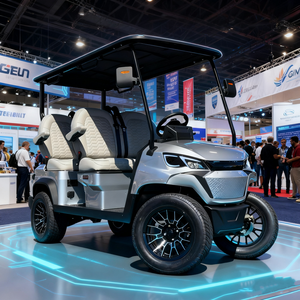
72V EEC Certified Electric Golf Buggy with 5KW / 7.5KW High Power Motor & Steel Frame
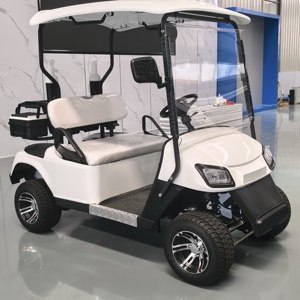
New Electric Off-Road Golf Cart Buggy 3-4 Seats Steel 60V 5KW CE Certified Chassis
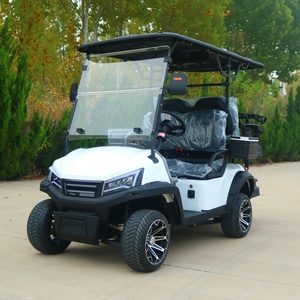
Street Legal 4WD Electric Golf Cart 60/72V Lithium Battery 6-Seater Sightseeing Club Car
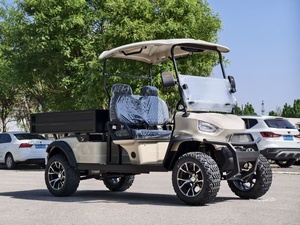
New Arrival 2 Seater Electric Golf Buggy Off Road Sporty Lifted Golf Cart for Farm and Beach
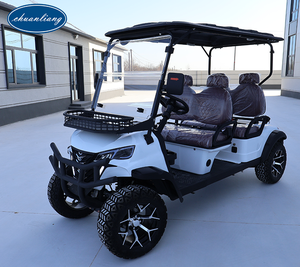
Professional Customized 4 Seater Electric Golf Buggy Lithium Battery for Resort & Community
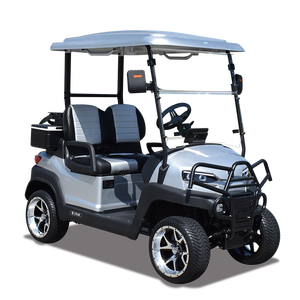
4 Wheel Electric Golf Cart 2 Seat Lithium Golf Buggy with Integrated Speakers & LED Package
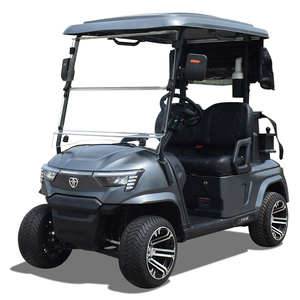
Customizable 2-Seater Electric Utility Golf Cart with Rear Cargo Box for Industrial Maintenance
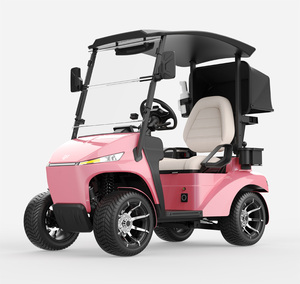
Single-Seat Quick-Charge Electric Golf Cart CE Certified Compact Commercial Personal Transport
The Evolution of China's Electric Passenger Cart Supply Chain
Global demand for Low-Speed Electric Vehicles (LSVs), resort buggies, and commercial passenger shuttles has undergone a structural paradigm shift. Sourcing managers no longer evaluate suppliers solely on upfront FOB price; long-term durability, powertrain efficiency, battery chemical safety, and international homologation (EEC/CE) now dictate total cost of ownership (TCO).
China has firmly established itself as the world's innovation epicenter for electric golf buggies and passenger shuttles. Driven by mature automotive supply chains in Jiangsu, Zhejiang, and Guangdong, leading manufacturers have transitioned from low-spec DC brushed platforms to high-efficiency AC induction and Permanent Magnet Synchronous Motor (PMSM) powertrains integrated with smart Curtis and Enpower controllers.
This technical shift yields substantial operational benefits for international buyers in hospitality, real estate, municipal transit, and golf club administration. Modern electric buggies offer up to 30% higher torque output for steep incline climbing (up to 30% gradient capability), zero maintenance motor enclosures (IP67 waterproof and dustproof rated), and extended battery range reaching 80 km to 100 km per single full charge.
Key Technical Trends Driving Modern Passenger Carts
In-depth breakdown of engineering advancements, material science breakthroughs, and electronics architecture shaping next-generation electric low-speed vehicles.
1. LiFePO4 Lithium Transition
Lead-acid batteries are rapidly being phased out in favor of Lithium Iron Phosphate (LiFePO4). Lithium packs offer 3x longer cycle life, zero watering maintenance, 60% weight reduction, and rapid 2-hour opportunity charging capability.
2. Solar-Hybrid Roof Integration
Monocrystalline flexible solar panels embedded directly into vehicle roof canopies continuously top-up battery voltage during daylight operations, extending shift range by 15-25 km and reducing grid power costs.
3. Galvanized & Cathodic Chassis
To withstand aggressive coastal salt spray, humid resort environments, and de-icing chemicals, premium export chassis undergo hot-dip galvanization and electro-phoretic coating (E-coating) for lifetime anti-corrosion protection.
4. Smart BMS & IoT Telematics
Integrated Smart Battery Management Systems (BMS) with CAN-BUS communication enable real-time fleet remote monitoring, GPS geofencing, automatic speed limiting in pedestrian zones, and proactive fault diagnostics.
5. High-Voltage 72V AC Drivetrains
Upgrading from legacy 48V to 72V platforms decreases operating current, reducing thermal resistance loss in wiring harnesses and allowing high-power 5kW to 7.5kW motors to deliver exceptional torque without battery overheating.
6. Modular Passenger Ergonomics
Modern passenger buggies utilize automotive-grade injection-molded PP body shells, marine-grade anti-microbial leather seating, flip-flop convertible rear seats, and independent MacPherson front suspension systems.
Strategic Procurement Trends & Total Cost of Ownership (TCO)
B2B fleet buyers in North America, Europe, Middle East, and Southeast Asia are reshaping supplier evaluation metrics. Below is a engineering comparison matrix between technical options.
| Engineering Metric | Standard Lead-Acid Cart | Modern 48V Lithium Cart | Enterprise 72V High-Performance Cart |
|---|---|---|---|
| Battery Chemistry / Pack | 6V/8V Lead-Acid Deep Cycle | 48V LiFePO4 (105Ah - 150Ah) | 72V LiFePO4 (160Ah - 200Ah) |
| Cycle Life Expectancy | 500 - 800 cycles (2-3 years) | 3,000 - 4,000 cycles (8-10 years) | 3,500 - 4,500 cycles (10+ years) |
| Motor Output & Type | 3.7kW - 4kW DC / AC | 4kW - 5kW Brushless AC | 5kW - 7.5kW High Torque AC / PMSM |
| Max Hill Grade Ability | 15% - 20% Gradient | 20% - 25% Gradient | 28% - 35% Gradient (4WD Optional) |
| Charging Downtime | 8 to 10 Hours (Full Charge) | 2 to 3 Hours (Fast Charge) | 1.5 to 2.5 Hours (DC Fast Charge) |
| Maintenance Labor | High (Water topping, post corrosion) | Zero (Sealed BMS Unit) | Zero (Sealed BMS Unit) |
| Relative TCO over 5 Years | Baseline (High battery swap cost) | 32% Lower TCO | 41% Lower TCO (High Duty Cycle) |
Conclusion for Fleet Directors: While initial FOB purchase price for LiFePO4 lithium passenger carts is 15-22% higher than lead-acid models, the elimination of battery replacements and zero watering labor yields positive ROI within 18 months of commercial operation.
OEM / ODM Manufacturing Capabilities & Global Enterprise Advantages
Referencing proven export standards, our manufacturing facilities adhere to rigid automotive engineering controls, custom chassis modifications, and rigorous global shipping optimization.
Full Modular Customization
From 2-seat utility buggies to 14-seat luxury resort shuttles, every vehicle can be tailored to specific operational requirements. Customization includes chassis extension, custom paint colors (RAL match), custom brand logos, weather enclosures, hydraulic tipping cargo beds, and solar panel canopies.
Automotive-Grade QA & Testing
Every finished vehicle undergoes 100% factory road testing prior to packing. Testing protocols include 30-degree ramp holding test, water wading splash tests (IP65 electrical component verification), emergency braking distance validation, and 48-hour continuous battery discharge monitoring.
Homologation & Global Compliance
Export models are built to satisfy strict regional regulatory standards. Featuring CE certifications, EEC European homologation packages (complete with DOT mirrors, E-mark safety glass windshields, LED road lights, three-point seatbelts, and hydraulic disc braking) for street-legal registration.
Logistics & Container Optimization
Shipping bulk electric vehicles requires smart volumetric engineering. Our SKD (Semi-Knock-Down) packaging and custom steel shipping frames allow up to 4 to 6 units of 4-seater buggies or up to 12 units of 2-seater buggies to fit securely inside a single 40ft High Cube container, drastically reducing ocean freight costs per unit.
Frequently Asked Questions for B2B Importers & Fleet Managers
Addressing essential technical, logistical, regulatory, and operational considerations during supplier selection and contract negotiation.
What is the real-world driving range of a 72V vs. 48V electric passenger cart?
Can passenger buggies be certified for street-legal road use in Europe and the Americas?
How many electric golf buggies fit into a standard 20ft and 40ft HQ container?
How does a Solar-Hybrid charging canopy function in daily operation?
What is the lead time for OEM/ODM customized corporate fleet orders?
What maintenance program is recommended to ensure a 10-year chassis life?
What warranty coverage and spare parts support are provided for international buyers?
Start Your Fleet Upgrade & Global Sourcing Request
Looking for a reliable manufacturing partner for commercial passenger buggies, resort shuttles, or off-road electric utility carts? Contact our engineering and export team today for technical CAD drawings, FOB/CIF price lists, and custom OEM configuration options.