Featured Commercial Sightseeing Carts & Electric Buggies
Explore our high-performance electric fleet vehicles engineered for resorts, golf courses, gated communities, and commercial passenger transport.
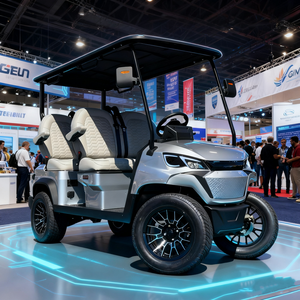
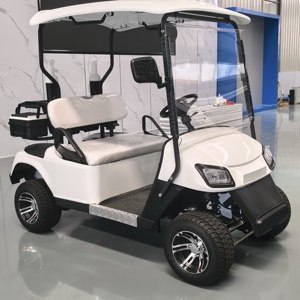
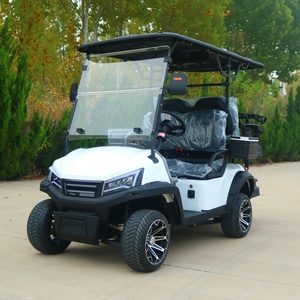
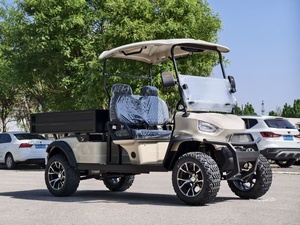
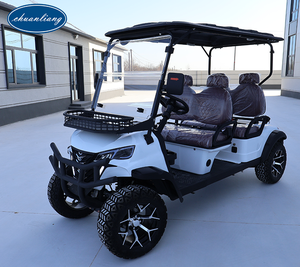
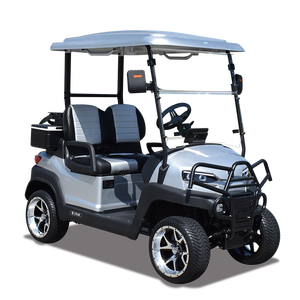
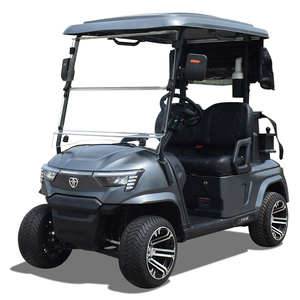
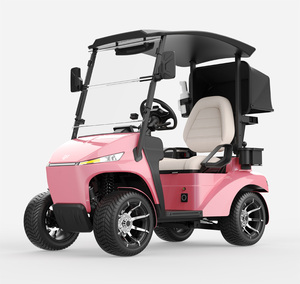
The Paradigm Shift in Commercial Sightseeing Cart Procurement
The global low-speed vehicle (LSV) and commercial sightseeing cart industry is undergoing a structural technological transition. Fleet managers across luxury resorts, municipal parks, industrial complexes, and heritage tourist destinations are accelerating the retirement of traditional internal combustion engine (ICE) carts in favor of advanced AC-powered, lithium-ion electric platforms. China has established itself as the world's primary manufacturing hub for high-capacity, heavy-duty sightseeing carts, driving innovations in structural metallurgy, power electronics, and solar-hybrid integrations.
When procuring commercial sightseeing carts from China OEM/ODM manufacturers, enterprise buyers must evaluate suppliers beyond superficial aesthetics. Critical engineering variables—such as frame anti-corrosion treatments, continuous torque ratings of AC brushless motors, thermal runaway protections in Lithium Iron Phosphate (LiFePO4) battery packs, and compliance with international standards (such as European EEC L7e/M1 and North American DOT/FMVSS 500)—dictate the total cost of ownership (TCO) over a 5 to 10-year operational lifecycle.
Information Gain Insight: Selecting a 72V AC drivetrain over traditional 48V DC systems reduces thermal energy losses by up to 28%, extends operating range per charge cycle by 18-22%, and significantly prevents motor stall during full-load steep incline ascents common in coastal hilly resorts.
Architectural Breakdown: Chassis Engineering & Structural Reliability
Commercial passenger carriers endure rigorous daily cycles, carrying up to 14 passengers or heavy utility loads across mixed terrain. Premier Chinese manufacturers utilize high-strength carbon steel structural tubing fabricated via automated robotic welding systems. To resist coastal humidity, salt spray, and atmospheric oxidation, leading factories apply a dual-layer corrosion prevention matrix:
1. Hot-Dip Galvanization (Inside & Out): Immersion in molten zinc creates a metallurgical bond that protects internal chassis walls against hidden rust structural fatigue.
2. Automotive Electrophoretic Coating (E-Coating): Provides a uniform 25-micron protective primer layer, followed by outdoor UV-resistant polyurethane enamel finishing.
Core Engineering Pillars of Leading Chinese Sightseeing Cart Suppliers
Modern commercial utility and passenger vehicles require precise component integration. The technical distinction between consumer-grade golf buggies and enterprise-grade sightseeing fleets rests upon six fundamental technological pillars:
72V AC Powertrains
Sealed brushless AC motors (5kW to 7.5kW continuous, 15kW peak) delivering high torque without brush wear or thermal degradation.
Smart LiFePO4 Packs
High-density LFP cells rated for 3,500+ deep cycles, managed by CAN-bus active balancing Automotive BMS.
Automotive Suspension
Front MacPherson independent suspension combined with rear helical coil springs and hydraulic shock absorbers for maximum ride comfort.
Solar Hybrid Assist
Roof-integrated monocrystalline PV panels supplying trickle-charge power to extend continuous shift range by up to 25 km per day.
EEC / DOT Homologation
Street-legal configurations featuring hydraulic 4-wheel disc brakes, three-point seatbelts, LED lighting, and safety glass windshields.
All-Terrain 4WD Systems
Dual-motor electronic four-wheel drive with differential locks for beach, farm, and steep off-road resort operations.
Sightseeing Cart Platform Specification Matrix
To assist procurement directors and fleet management teams in selecting the correct chassis configuration, the matrix below details technical parameters across standard commercial categories:
| Vehicle Category | Seating Capacity | Drivetrain / Motor | Battery Chemistry | Max Incline Grade | Typical Application |
|---|---|---|---|---|---|
| Resort Guest Shuttle | 2 / 4 / 6 / 8 Seats | 48V / 72V 5KW AC | LiFePO4 (105Ah - 210Ah) | 25% Grade | Luxury Hotels, Golf Communities, Beach Resorts |
| Commercial Mini Bus | 11 / 14 Seats | 72V 7.5KW / 10KW AC | LiFePO4 (200Ah - 300Ah) | 20% Grade | Airports, Scenic Parks, University Campuses |
| Off-Road 4WD Buggy | 2 / 4 / 6 Seats | 60V / 72V Dual Motor 5KW+5KW | LiFePO4 High-Discharge | 35% Grade | Eco-Tourism, Farms, Sand Dunes, Mountain Trails |
| Utility Cargo Cart | 2 Seats + Flatbed / Box | 48V / 60V 4KW AC | Lead-Acid or LiFePO4 | 22% Grade | Housekeeping, Maintenance, Logistics Loops |
Future Procurement & Sourcing Trends (2025–2030)
When evaluating Chinese suppliers, procurement heads must align with emerging technological trajectories. The next decade of low-speed electric fleet operations will be shaped by four critical innovations:
1. Widespread Migration to High-Voltage 72V LiFePO4 Systems
Legacy 48V flooded lead-acid batteries are rapidly being phased out due to acid corrosion, frequent distilled water maintenance, heavy weight, and short cycle lives (typically 500 cycles). Modern 72V LiFePO4 packs reduce system amperage for the same power output, minimizing cable heating and extending battery life to over 3,500 full depth-of-discharge cycles. Furthermore, fast-charging lithium solutions allow 1-hour 80% opportunity charges during staff lunch breaks, enabling continuous multi-shift operation.
2. IoT Telematics & Fleet Management Systems
Tier-1 OEM manufacturers in China are embedding 4G/GPS telematics modules directly into vehicle main controllers. Operations managers can remotely monitor real-time battery State of Charge (SOC), track vehicle GPS coordinates, set geofenced speed boundaries, monitor motor temperature, and receive automated diagnostic trouble codes (DTC) before on-site breakdowns occur.
3. Solar-Hybrid Energy Harvesting
Integrating ultra-thin, flexible monocrystalline solar panels into the curved fiber-reinforced plastic (FRP) roof canopy allows vehicles operating in high-solar-irradiance regions (such as the Middle East, Southeast Asia, and Southern Europe) to harvest 1.5kWh to 2.5kWh of clean energy daily. This energy harvesting buffers the main battery, reducing wall-plug charging cycles and prolonging total battery service life.
Frequently Asked Questions (FAQ) for B2B Buyers
Ready to Upgrade Your Commercial Fleet?
Connect directly with our engineering team to request factory-direct wholesale pricing, CAD technical drawings, custom configuration sheets, and shipping container estimates.
Send an Inquiry