Next-Generation Commercial Solar-Hybrid Electric Vehicles
As global hospitality operators, municipal infrastructure managers, and industrial complexes transition toward zero-emission fleet logistics, China's solar electric vehicle manufacturing sector has established unmatched engineering standards. This white paper presents an in-depth technical overview, product selection portfolio, market development trends, and procurement frameworks for commercial buyers worldwide.
Featured Commercial Solar Carts & Utility Buggies
Explore our heavy-duty, CE & EEC-certified solar-compatible vehicle models engineered for golf courses, luxury resorts, gated communities, and industrial operations.
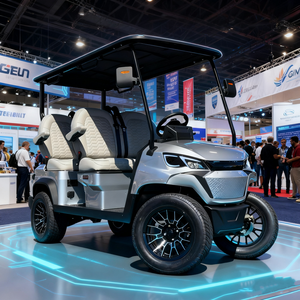
72V EEC Certified Electric Golf Buggy with 5KW 7.5KW High Power Motor Long Life Battery and Steel Construction
- Drivetrain: 72V 5KW / 7.5KW AC
- Structure: Heavy Steel Chassis
- Certification: EEC / CE Certified
- Ideal For: Resort & Street Shuttle
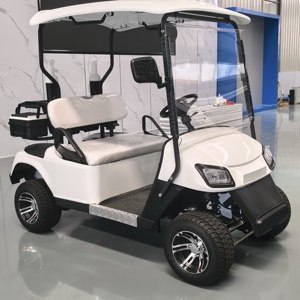
New Electric Off-Road Golf Cart Buggy 3-4 Seats Steel 60V 5KW CE Certified
- Voltage / Power: 60V 5000W AC
- Capacity: 3-4 Passengers
- Chassis: Reinforced Off-Road Steel
- Certification: CE Standards
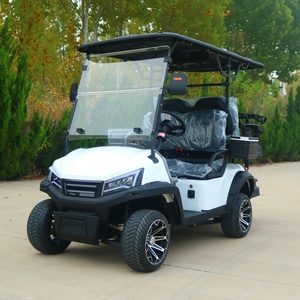
Street Legal 4WD Electric Golf Cart 60/72V Lithium Battery 6-seater Sightseeing Club Car 5000W Motor Electric Cart
- Drive System: 4WD Dual Motor
- Battery: 60V/72V LiFePO4
- Seating: 6-Passenger Layout
- Type: Street Legal Sightseeing
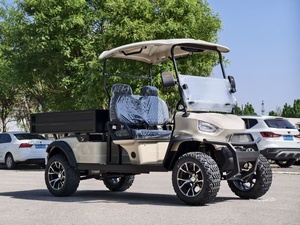
New Arrival 2 Seater Electric Golf Buggy Off Road Sporty Lifted Golf Cart for Farm and Beach Use
- Configuration: 2-Seater Sport Lifted
- Terrain: Sand Beach & Farm Trails
- Suspension: Independent Lift Kit
- Tires: All-Terrain Off-Road
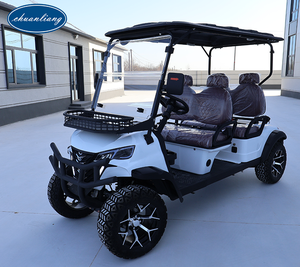
Professional Customized 4 Seater Electric Golf Buggy with Lithium Battery Powered for Resort Golf Course Community
- Battery Chemistry: Lithium Iron Phosphate
- Capacity: 4-Seater Premium Comfort
- Customization: Body Color & Seating
- Application: Resorts & Communities
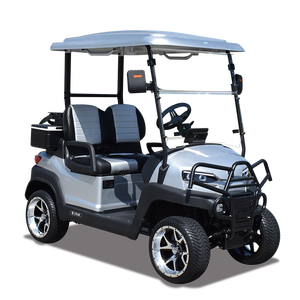
4 Wheel Electric Golf Cart 2 Seat Golf Cart Lithium Golf Buggy Speakers and Lights
- Amenities: BT Speakers & LED Package
- Battery: Quick-Charge Lithium
- Passenger: 2-Person Luxury Bucket
- Chassis: Lightweight Alloy Frame
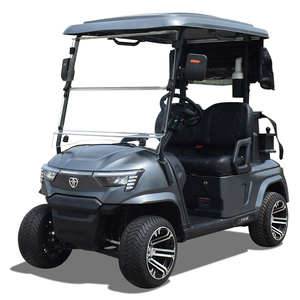
Customizable 2-Seater Electric Utility Golf Cart, Lithium Battery Golf Buggy for Sale
- Utility: Rear Cargo Deck Option
- Battery Tech: Smart BMS Lithium
- Braking: Regenerative Hydraulic
- Payload: Heavy Duty Commercial
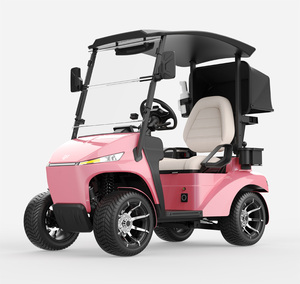
Professional Design Single-Seat Golf Cart Quick-Charge Electric Golf Cart CE Certification Golf Cart 4 Wheel Small Vehicle
- Design: Single-Seater Compact
- Charging: High-Speed Fast Charge
- Certification: CE Certified
- Use Case: Private Course & Patrol
Why Global B2B Buyers Partner with Top Chinese OEM/ODM Suppliers
Precision automotive engineering combined with scalable solar technology delivers superior performance and minimal total cost of ownership (TCO).
High-Efficiency Monocrystalline PV Roof Integration
Our custom solar-hybrid utility buggies feature integrated ultra-thin monocrystalline silicon solar panels rated at over 22.5% solar conversion efficiency. Fitted with Intelligent Maximum Power Point Tracking (MPPT) solar charge controllers, the solar roof continuously feeds clean power back into the battery pack during operation. This extends daily working range by 15 km to 25 km, drastically reducing plug-in charging cycles and grid electricity consumption during peak sunlight hours.
Hot-Dip Galvanized Anti-Corrosion Steel Frame
Operating in tropical island resorts, coastal golf courses, and humid industrial grounds subjects vehicle frames to harsh salt spray and atmospheric corrosion. Chinese enterprise manufacturers utilize heavy-duty automotive steel chassis subjected to full-immersion hot-dip galvanization conforming to ASTM A123 standards. This guarantees structural integrity, preventing rust for over 10 to 15 years while maintaining high resale value for fleet operators.
Advanced Brushless AC Powertrain & Smart BMS
Transitioning from older DC motors, our vehicles integrate maintenance-free 48V, 60V, and 72V Brushless AC induction and Permanent Magnet Synchronous Motors (PMSM) paired with Curtis or Sevcon AC controllers. Matched with automotive-grade Lithium Iron Phosphate (LiFePO4) battery packs featuring smart battery management systems (BMS), vehicles benefit from real-time cell balancing, thermal protection, regenerative braking energy recovery, and over 3,500 life cycles.
Engineering Comparison: Solar-Hybrid vs. Conventional Golf Carts
When selecting low-speed electric vehicles (LSVs) for commercial fleets, procurement managers must evaluate mechanical design, battery longevity, solar recovery capability, and structural safety standards. Below is an engineering benchmark comparing leading Chinese solar-assisted buggies against traditional lead-acid fleets.
| Performance Specification | China Solar-Hybrid Electric Buggy | Conventional Lead-Acid Golf Cart | Procurement Advantage |
|---|---|---|---|
| Powertrain Architecture | 48V / 60V / 72V Brushless AC Motor (4KW - 7.5KW) | 48V DC Series/Sepex Motor (2.5KW - 3.5KW) | +40% Torque, zero motor brush wear, high gradient climbing |
| Battery Chemistry & Life | LiFePO4 Lithium (3,500+ Cycles @ 80% DoD) | Flooded Lead-Acid (500 - 700 Cycles @ 50% DoD) | 5x lifespan, zero watering maintenance, 60% weight reduction |
| Energy Harvest System | Flexible Monocrystalline PV Roof + MPPT Controller | None (Grid Charging Only) | Continuous trickle charge during daytime duty; +20% daily range |
| Chassis Engineering | Full Hot-Dip Galvanized / Aluminum Alloy Frame | Standard Painted / E-Coated Steel Frame | Maximum salt-spray and moisture resistance (10+ Year anti-rust) |
| Braking & Safety | 4-Wheel Hydraulic Disc + Electro-Magnetic Brake | Rear Mechanical Drum Brakes | Instant holding power on steep slopes & wet terrain |
| Compliance & Certifications | CE, EEC (L7e/M1 street legal ready), ISO9001, DOT | Basic CE Mark | Simplified import approval for public road & commercial use |
Industry & Technology Development Trends in Solar Electric Buggies
The global low-speed vehicle market is undergoing a rapid technological evolution. Driven by strict carbon neutrality mandates, rising operational costs, and demanding guest expectations in high-end hospitality, Chinese solar vehicle manufacturers are pioneering major innovations across four core pillars:
1. Solar Photovoltaic Efficiency Acceleration
Early-generation solar carts relied on rigid glass solar panels that added unwanted top-heavy weight and suffered low conversion rates under diffuse sunlight. Modern Chinese OEM factories lead the market in integrating lightweight, flexible monocrystalline PERC and N-type TOPCon solar films directly into the vehicle's molded ABS or fiberglass roof structure. Combined with multi-stage MPPT controllers that harvest solar power even under partial shade, solar charging has transformed from a visual gimmick into a legitimate secondary power source that offsets self-discharge and reduces grid reliance.
2. Complete Transition to Modular LiFePO4 Battery Systems
Lead-acid batteries are rapidly being phased out across international commercial procurement. Automotive-grade LiFePO4 chemistry has become the default standard for Chinese suppliers. These battery modules are equipped with CAN-bus communication smart BMS, enabling remote monitoring of voltage levels, cell temperatures, and state-of-health (SoH). Fast-charging capabilities allow 0-80% recharges within 1.5 to 2 hours during shift transitions, effectively enabling 24/7 continuous multi-shift operations.
3. Multi-Functional Modular Chassis Architecture
Modern commercial buyers demand versatility. Rather than building distinct chassis for passenger and utility models, leading manufacturers utilize standardized modular chassis platforms. A single base frame can be converted from a 4-seater resort passenger buggy into a 2-seater utility cargo box truck or housekeeping vehicle through quick-release rear structural kits. This modularity simplifies spare parts stocking and fleet maintenance for large-scale operations.
4. Street-Legal Integration & Smart Fleet Telematics
Demand for street-legal low-speed vehicles (EEC L7e certification in Europe and DOT/LSV status in the US) has prompted Chinese suppliers to equip buggies with full automotive lighting packages (LED headlights, sequential turn signals, hazard lights), three-point seatbelts, laminated safety glass windshields with wipers, hydraulic 4-wheel disc brakes, and digital LCD instrument clusters. Furthermore, integrated GPS telematics allow fleet managers to monitor vehicle location, geofence operating boundaries, and track battery consumption remotely.
Strategic Procurement Guidance for International Importers & Distributors
Importing solar electric vehicles and golf buggies from China offers substantial economic advantages, but requires structured quality control and logistics management to maximize return on investment. Buyers should evaluate suppliers against the following operational criteria:
Total Cost of Ownership (TCO) Sourcing Model
While FOB unit pricing is an important metric, enterprise buyers must calculate the total cost over a 5-year operating lifespan. Purchasing low-cost lead-acid buggies with non-galvanized chassis often leads to battery replacements every 18 months, frame rusting in coastal salt air, and elevated downtime. Investing in LiFePO4 battery options with hot-dip galvanization and solar assist reduces operational expenditure by up to 45% over five years by eliminating routine battery watering, reducing power bills, and avoiding premature frame structural failures.
Container Loading & Logistics Optimization
Shipping freight constitutes a major portion of landed vehicle costs. Professional Chinese suppliers offer strategic knock-down (SKD) or complete knock-down (CKD) packaging configurations alongside fully assembled units (CBU). For instance, a standard 40ft High Cube container can typically fit 4 to 6 fully assembled 4-seater carts. However, using specialized steel packing frames with disassembled roofs and windshields, container density can be increased to 12 to 18 units in SKD format, dramatically lowering sea freight costs per unit.
Factory Audit & Quality Control Protocols
Enterprise buyers should verify that prospective OEM suppliers possess certified ISO9001 quality management systems and automotive-grade production lines, including automated robot welding, electrostatic powder-coating lines, dynamic brake testing tracks, and rain-spray water tightness testing chambers. Requesting full factory test reports and pre-shipment video inspections ensures every vehicle meets precise technical specifications prior to loading.
Frequently Asked Sourcing & Technical Questions
Clear answers to essential questions asked by international buyers, fleet managers, and commercial distributors.
How much extended range does the solar roof panel actually provide daily?
In optimal direct sunlight conditions, a 200W to 400W high-efficiency solar roof panel paired with an MPPT controller generates approximately 1.2 kWh to 2.4 kWh of energy daily. Depending on vehicle payload and terrain gradient, this translates to an additional 15 km to 25 km of extended operating range per day. It also keeps the battery topped up while parked, preventing deep discharge damage.
Can Chinese solar vehicles be customized for specialized commercial applications?
Yes. Chinese OEM/ODM suppliers specialize in extensive customization. Fleet buyers can specify seating capacities (from single-seater buggies up to 14-seater sightseeing shuttles), custom body paint colors, logo branding, luxury leather seats, enclosed weather curtains, rear cargo beds, hydraulic tipping boxes, ambulance stretcher mounts, or elevated off-road suspension packages with all-terrain tires.
What is the expected life cycle of LiFePO4 batteries versus Lead-Acid in hot climates?
In high ambient temperatures (such as Middle Eastern or tropical resort environments), lead-acid batteries suffer severe capacity degradation and electrolyte evaporation, often requiring replacement within 12 to 18 months. Automotive-grade LiFePO4 batteries feature built-in BMS thermal protection, delivering 3,500+ charge cycles (over 8 to 10 years of daily operation) while maintaining over 80% original capacity.
Are your electric golf carts street-legal for international markets?
We supply models compliant with EEC (Europe L7e category) and DOT/LSV (United States) standards. Street-legal packages include VIN numbers, 4-wheel hydraulic disc braking systems, DOT-approved safety glass windshields with wipers, high/low beam LED lights, side mirrors, horn, three-point seatbelts, and digital speedometers designed for road registration.
What warranty and spare parts support is provided for international fleet orders?
Standard enterprise warranties cover the hot-dip galvanized chassis for up to 5 years, LiFePO4 battery packs for 3 to 5 years, and AC motors/controllers for 2 years. We provide comprehensive spare parts support, including fast-tracked replacement components via express courier and full technical schematic documentation for internal engineering teams.
Partner with China's Premier Solar Vehicle Manufacturer
Whether you require a custom fleet of resort passenger buggies, off-road utility vehicles, or street-legal solar golf carts, our engineering team is ready to deliver tailored OEM/ODM solutions to your site.