Commercial Electric Turf & Golf Cart Fleet
Direct OEM manufacturing platforms engineered for golf courses, luxury resorts, industrial sites, and municipal operations.
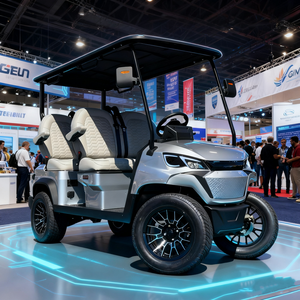
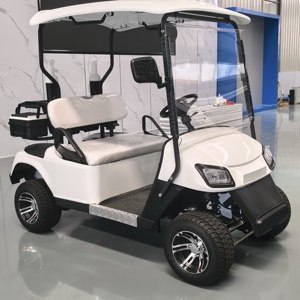
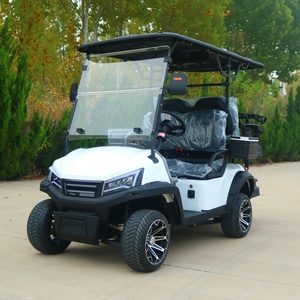
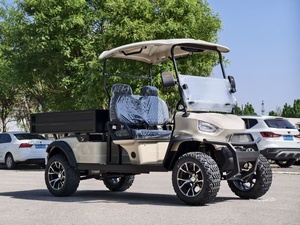
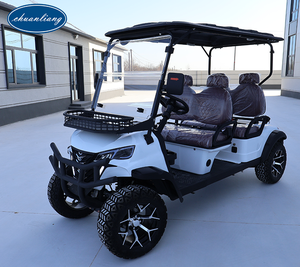
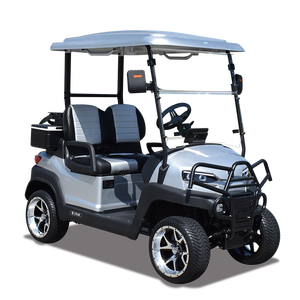
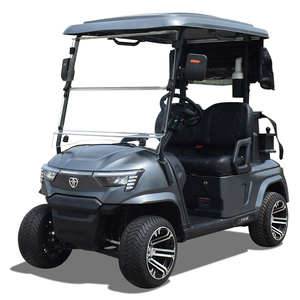
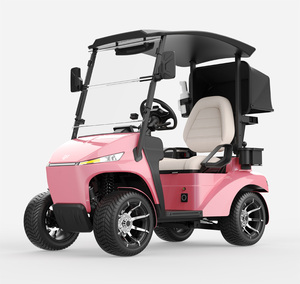
Executive Summary: The Evolution of China Turf Cart Manufacturing
The global commercial turf vehicle and low-speed electric vehicle (LSEV) landscape has undergone a paradigm shift over the past decade. Sourcing managers, resort operations directors, golf course superintendents, and municipal fleet buyers are increasingly evaluating China turf cart suppliers not merely on initial unit purchase price, but on lifetime Total Cost of Ownership (TCO), drivetrain efficiency, structural metallurgy, battery system longevity, and global regulatory compliance (including European EEC L7e/L6e and North American street-legal certifications).
Modern turf management demands vehicles capable of carrying heavy utility payloads, managing steep incline gradients (up to 30%), operating silently across eco-sensitive resort biomes, and enduring harsh ambient environments—ranging from saline coastal humidities to high-heat desert terrains. As China consolidates its position as the world's primary innovation hub for traction electrification, leading manufacturers have transitioned from basic golf buggy assembly to precision-engineered modular utility platforms, utilizing automotive-grade LiFePO4 (Lithium Iron Phosphate) battery chemistry, brushless AC induction and Permanent Magnet Synchronous Motors (PMSM), and smart CAN-bus vehicle control units (VCU).
Core Sourcing Insight for Fleet Directors
When evaluating a top China turf cart supplier, the key differentiator lies in structural frame anti-corrosion treatment and controller-motor thermal management. Standard automotive powder coating fails in coastal or turf-chemical environments within 24–36 months. High-spec commercial turf vehicles utilize hot-dip galvanizing or electrophoretic deposition (ED coating) over high-tensile steel, paired with smart BMS integration to ensure 8-to-10-year operational life cycles.
Engineering Deep Dive: Core Technological Components of High-Performance Turf Buggies
To establish true technical authority and make informed procurement choices, procurement executives must understand the core engineering sub-systems that govern turf cart durability, energy efficiency, and maintenance intervals.
1. Chassis Architecture and Metallurgical Integrity
Turf vehicles endure continuous mechanical strain due to uneven terrain, high passenger/cargo weight distribution, and exposure to turf fertilizers, sand, and humidity. Top-tier manufacturers utilize robotically welded C-channel or tubular steel monocoque frames. The critical benchmark for chassis longevity is hot-dip galvanizing, which creates a multi-layered zinc-iron alloy barrier impervious to moisture and chemical corrosion.
Independent front suspension systems—specifically MacPherson strut setups or double A-arm configurations with adjustable hydraulic shock absorbers—are vital to maintain tire contact patch area, prevent turf scalping during sharp turns, and cushion delicate electronic control systems from high-frequency vibrations.
2. Electric Drivetrain Dynamics: AC Motors vs. DC Powertrains
Traditional DC motors are rapidly becoming obsolete in commercial turf fleets due to brush wear, heat generation, and low efficiency under heavy loading. High-performance China turf carts now standardly integrate 48V, 60V, or 72V Brushless AC Motors (ranging from 4kW up to 7.5kW rated power) or Permanent Magnet Synchronous Motors (PMSM).
- Thermal Efficiency: AC systems operate with lower internal electrical resistance, reducing heat build-up during long incline climbs.
- Torque Delivery: Instantaneous peak torque delivery at zero RPM enables full-load starts on steep golf course bunkers and resort slopes.
- Regenerative Braking: Advanced AC controllers (such as Curtis or Enpower units) automatically recover kinetic energy during downhill descent, feeding current back into the traction pack while drastically extending friction brake pad life.
3. Traction Battery Systems: LiFePO4 vs. Deep-Cycle Lead-Acid
Battery technology choice represents the single largest variable in both upfront capital expenditure (CapEx) and long-term operating expense (OpEx). While flooded lead-acid batteries remain viable for low-frequency operational patterns, LiFePO4 (Lithium Iron Phosphate) has emerged as the definitive enterprise standard.
| Performance Metric | Flooded Lead-Acid / AGM Pack | Enterprise LiFePO4 Lithium System | Commercial Advantage |
|---|---|---|---|
| Expected Cycle Life (80% DOD) | 500 – 800 Cycles | 3,500 – 5,000+ Cycles | 4x to 6x longer operational lifespan |
| Usable Battery Capacity | 50% – 60% Maximum | 90% – 95% Usable Energy | Higher usable range per nominal kWh |
| Pack Weight (48V / 100Ah eq.) | Approx. 160 kg – 220 kg | Approx. 45 kg – 65 kg | Reduces turf compaction & chassis strain |
| Maintenance Requirements | Bi-weekly watering, terminal cleaning | Zero maintenance (Sealed BMS) | Eliminates manual labor costs entirely |
| Opportunity Charging | Not recommended (causes sulfation) | Supported (Fast charge during lunch) | Enables multi-shift 24/7 fleet usage |
Future Procurement Trends in Low-Speed Commercial Mobility
As corporate sustainability mandates accelerate globally, procurement strategies for turf vehicles, golf buggies, and resort shuttles are evolving rapidly. Fleet managers must align their 3-to-5-year purchasing roadmaps with four major technological trends emerging from premier Chinese manufacturing hubs:
1. Solar Hybrid Integration
High-efficiency monocrystalline solar panels embedded into the cart's canopy continuously trickle-charge the battery pack during daylight shifts, extending operational daily range by 15% to 25% and reducing mains grid dependency.
2. Fleet Telemetry & IoT
Integrated 4G CAN-bus telematics modules enable real-time GPS tracking, remote battery state-of-health monitoring, geofencing speed limit controls, and automated diagnostic fault-code alerts sent directly to fleet controllers.
3. Modular Platform Chassis
Modular frame design allows operators to quickly swap rear attachments—converting a 4-passenger resort vehicle into a hydraulic flatbed utility cart or housekeeping box cart within 30 minutes using quick-release mounting points.
4. Rigorous International Certification Compliance (CE, EEC, DOT)
Importers and commercial enterprises must verify that their chosen supplier maintains authentic international type approvals. For European markets, EEC (Whole Vehicle Type Approval) under L6e and L7e categories ensures vehicles comply with strict safety standards—including hydraulic dual-circuit disc braking systems, LED lighting networks, side mirrors, seatbelts, and laminated safety glass windshields equipped with wipers. For North American operators, DOT compliance for Low-Speed Vehicles (LSV) requires top-speed governing (25 mph / 40 km/h) and VIN generation for street-legal registration on public roads with posted speed limits up to 35 mph.
Corporate Enterprise Advantages: Engineering Built for Extreme Duty
As a specialized manufacturer of low-speed electric vehicles ranging from 2-seater sports golf buggies to 14-seater commercial resort shuttles, our manufacturing facility is designed to solve real-world operational challenges. We engineer vehicles engineered to perform reliably under harsh environmental conditions: high heat, ambient dust, steep inclines, and non-stop operational demands.
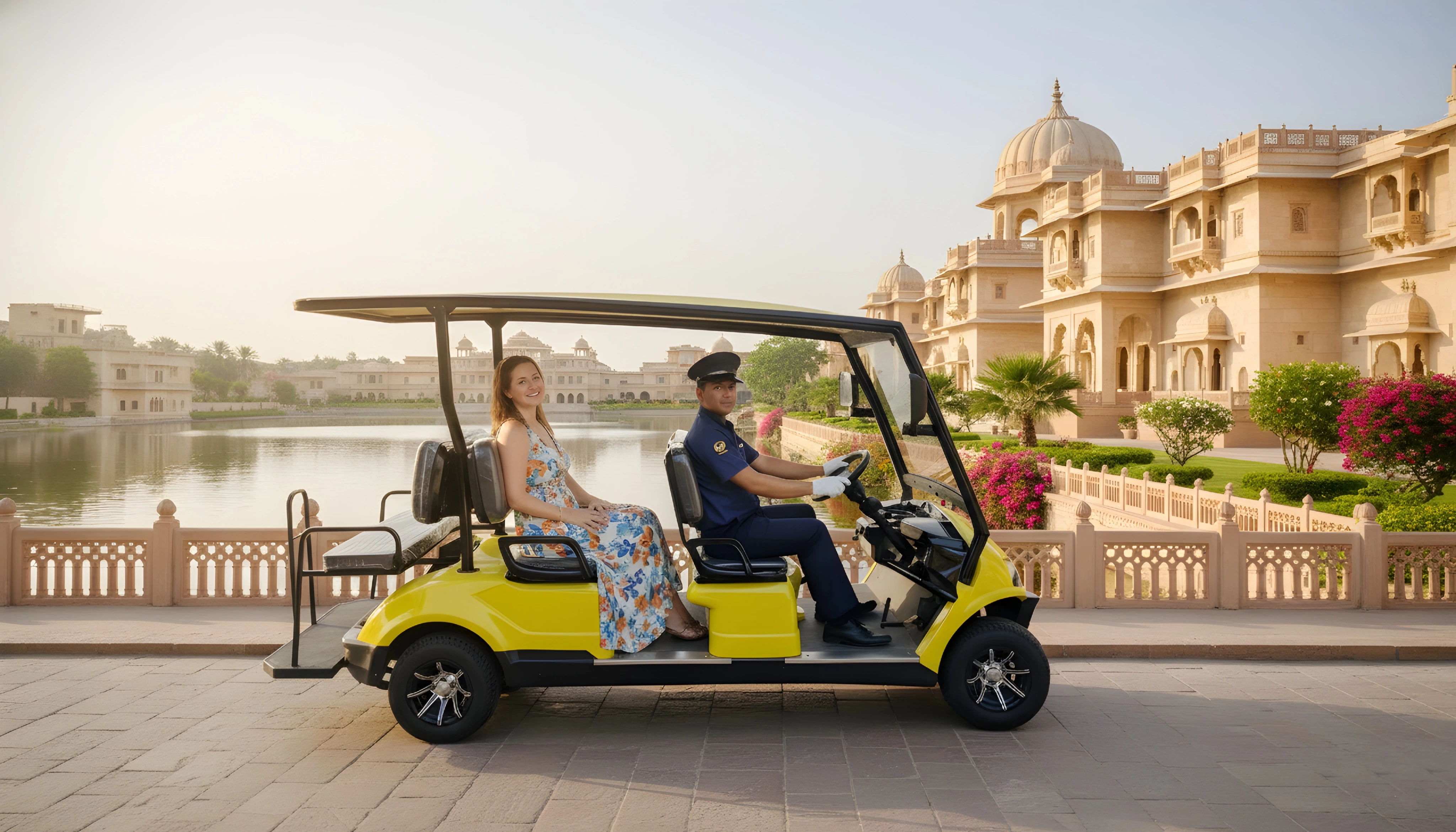
Solar-Hybrid Fleet Mobility
Integrated PV roof panels provide continuous daylight auxiliary charging, optimizing daily energy yields for high-frequency resort and golf course applications.
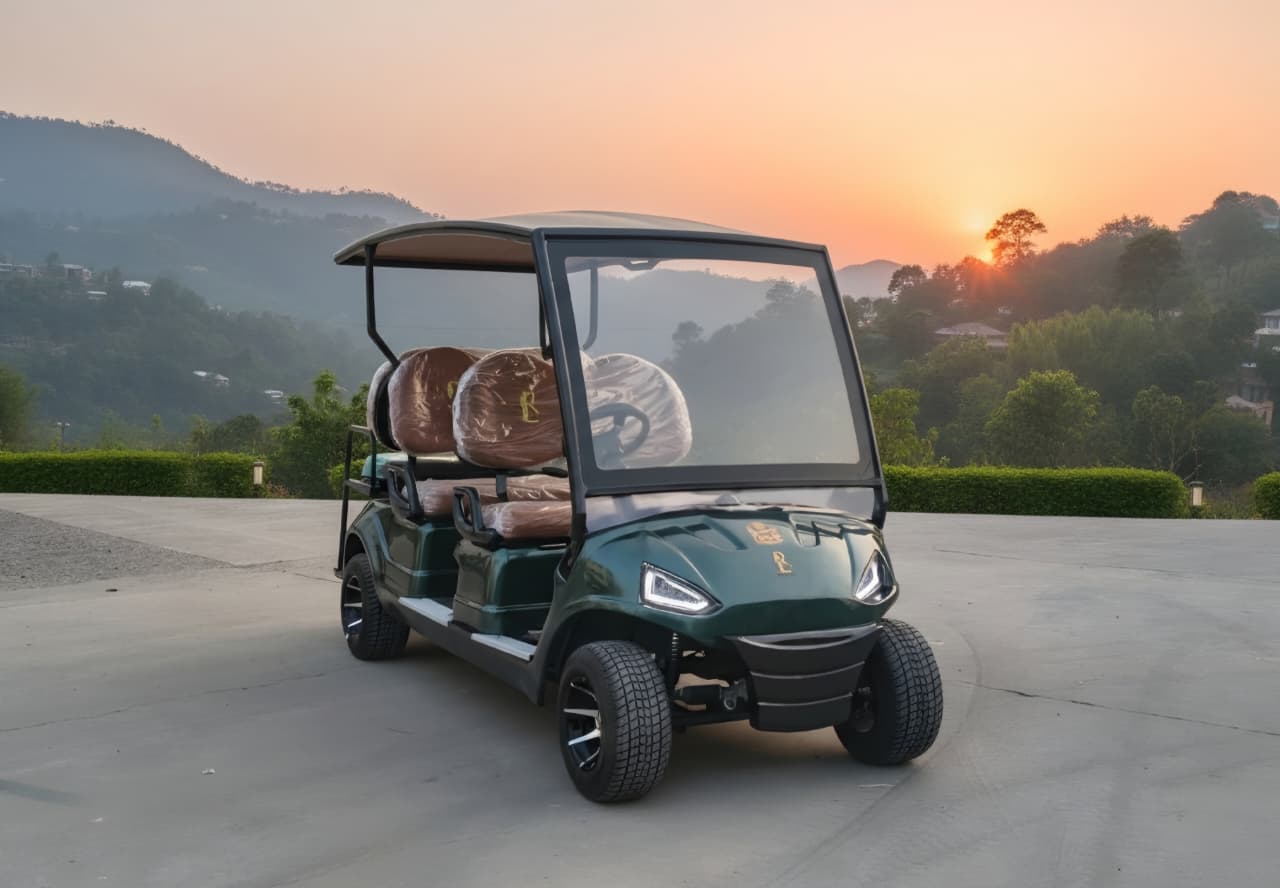
Robust AC Drivetrains
Sealed 4kW to 7.5kW AC brushless motors deliver high torque for steep incline gradients while eliminating motor brush maintenance.

Heritage & Custom Coachwork
Customizable bodywork solutions ranging from luxury vintage VIP cars to heavy-duty off-road utility vehicles for luxury hospitality.
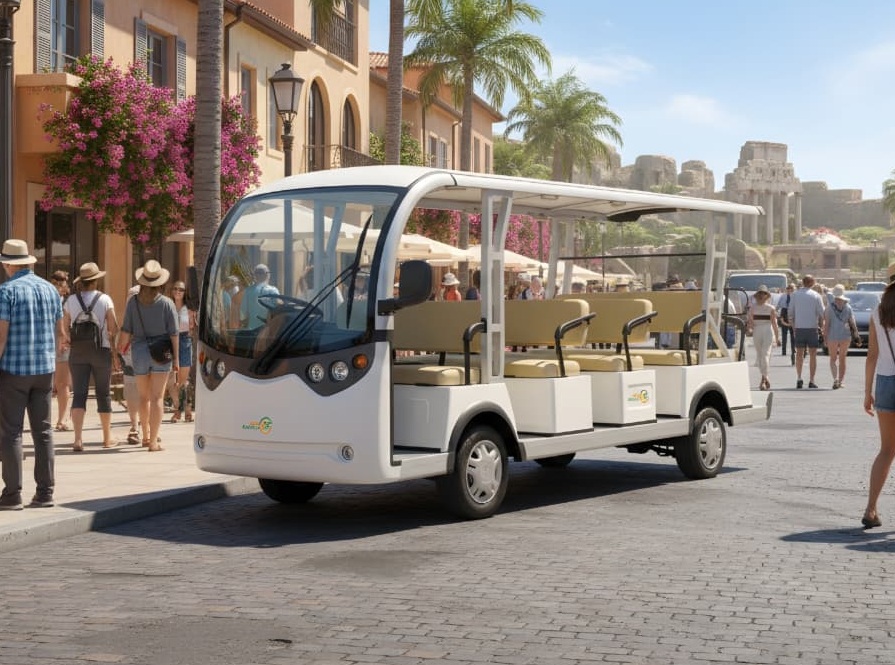
High-Capacity Passenger Shuttles
Multi-seater platforms up to 14 seats equipped with hydraulic power steering, independent suspension, and high-capacity LiFePO4 battery banks.
Why Fleet Procurement Directors Partner With Our Factory:
- Hot-Dip Galvanized Chassis Warranty: Every vehicle frame undergoes immersion hot-dip galvanizing, supported by structural anti-corrosion coverage for long-term residual resale value.
- Custom Fleet Tailoring (OEM/ODM): Complete customization of seating configurations (2, 4, 6, 8, 11, 14 seats), custom pantone color matching, marine-grade upholstery, custom cargo deck drop-sides, and corporate brand logo application prior to assembly sign-off.
- Rigorous Quality Control Protocols: 100% of manufactured carts undergo a multi-point quality check including 1,000-hour salt spray component testing, dynamic gradient test climbing (up to 30%), rain/waterproof harness spray booth validation, and battery balance calibration.
- Global Shipping Optimization: Expert logistics engineering allows up to 4–6 units to be packed efficiently into 40ft High Cube containers via specialized steel frame stacking systems, minimizing per-unit ocean freight costs.
Procurement FAQ: Critical Questions for Turf Cart Purchasing
Direct technical answers to common questions raised by commercial buyers, fleet managers, and importers during technical evaluation.