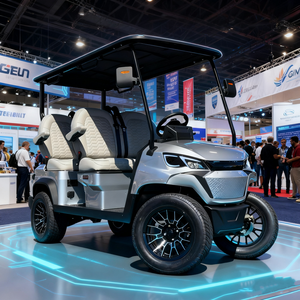
72V EEC Certified Electric Golf Buggy with 5KW/7.5KW High Power Motor
- System Voltage: 72V High-Torque AC
- Motor Rating: 5.0 kW / 7.5 kW Peak
- Chassis Frame: Hot-Dip Galvanized
- Certification: EEC L7e Street Legal
engineered for continuous daily duty cycles, heavy passenger payloads, and extreme terrain gradients. Explore our certified commercial EV portfolio below.
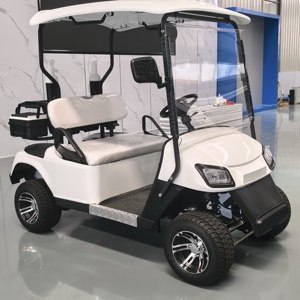
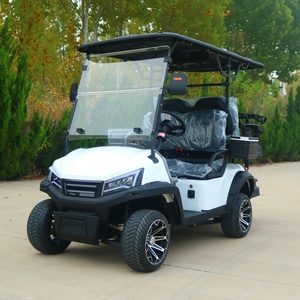
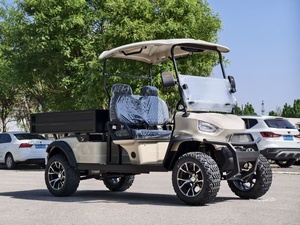
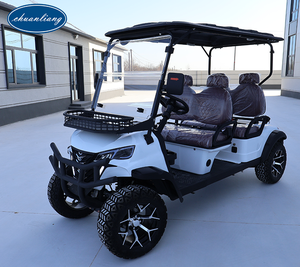
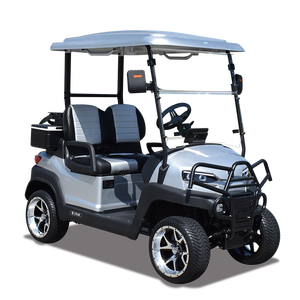
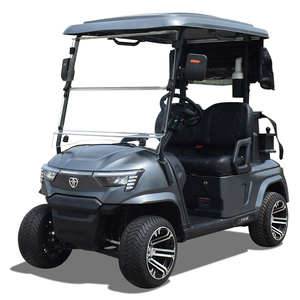
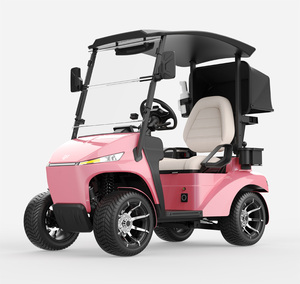
Modern institutional campuses—spanning universities, 5-star resorts, manufacturing complexes, airports, and gated residential communities—require robust zero-emission transportation frameworks. Standard consumer golf carts fail under continuous commercial stress. Commercial campus buggies must deliver structural durability, operational uptime, and thermal resilience under high ambient heat and challenging inclines.
Unlike painted steel tubing prone to internal micro-corrosion from high humidity, fertilizer chemicals, and coastal salinity, our buggy frames undergo hot-dip galvanization both internally and externally. This guarantees structural chassis integrity for over 15 years in extreme operational climates.
Moving away from outdated DC brushed motors that require frequent carbon brush replacement and generate excessive heat, our buggy line utilizes 48V, 60V, and 72V maintenance-free AC induction motors paired with programmable Curtis / SEVCON controllers, ensuring precise speed modulation and dynamic hill-holding capabilities.
Integrated Lithium Iron Phosphate (LiFePO4) battery chemistry provides 3,500+ charge cycles at 80% Depth of Discharge (DoD). Managed by an automotive-grade Smart BMS with thermal monitoring, balance charging, and CAN-bus diagnostic connectivity, total cost of ownership is reduced by up to 42% compared to flooded lead-acid alternatives.
OEM Fleet Engineering Advantage: Every campus buggy platform is fully customizable. Facilities managers can specify seating arrangements (2 to 14 seats), rear cargo enclosures, hydraulic tipping beds, ambulance stretcher mounts, solar auxiliary charging, and custom corporate livery before manufacturing drawings are finalized.
As corporate environmental, social, and governance (ESG) mandates intersect with campus modernization programs, procurement teams are shifting from transactional buggy purchases to strategic zero-emission mobility investments. Below are the five dominant trends reshaping the global commercial electric buggy market over the next decade.
Traditional procurement evaluated upfront capital expenditure (CapEx). Modern fleet directors now evaluate Total Cost of Ownership (TCO). Lead-acid batteries require daily watering, suffer acid corrosion, and fail after 600–800 cycles (approx. 2 years of campus use). Standardizing on lithium LiFePO4 chemistry eliminates battery watering labor, reduces vehicle weight by up to 150 kg, enables rapid opportunity charging between shifts, and extends battery pack life to 8–10 years.
Next-generation campus buggies are equipped with IoT-enabled telematics units. Facility management teams can monitor real-time State of Charge (SoC), track GPS geofencing perimeter breaches, restrict driver speed limits based on designated campus zones, and receive automated alert notifications for thermal anomalies or brake pad wear before mechanical failure occurs.
High-efficiency roof-mounted monocrystalline solar panels (150W to 300W per canopy) directly feed auxiliary charging energy back into the traction battery pack via MPPT controllers during daylight operation. While solar panels do not replace overnight AC charging, they supplement up to 15-25% of daily kilowatt-hour demand, significantly extending operating shift hours on sprawling resort or university grounds.
Procurement teams are prioritizing modular vehicles over single-purpose carts. Convertible seating platforms that quickly shift from a 4-seater guest transport configuration to a flatbed utility cargo deck give institutional facilities the flexibility to handle guest shuttling during morning hours and maintenance or linen logistics in the afternoon, maximizing asset utilization.
| Performance Metric | Flooded Lead-Acid (Legacy) | AGM Sealed Lead-Acid | LiFePO4 Lithium (Recommended) | Solar-Hybrid LiFePO4 System |
|---|---|---|---|---|
| Cycle Lifespan (80% DoD) | 500 - 800 Cycles | 700 - 1,000 Cycles | 3,500+ Cycles | 3,500+ Cycles + Solar Assist |
| Daily Maintenance | High (Distilled Water Refill) | Low (Terminal Inspection) | Zero Maintenance | Zero Maintenance (Panel Wipe) |
| Full Charge Time | 8 - 10 Hours | 7 - 9 Hours | 2.5 - 4 Hours | 2.5 - 4 Hours + Shift Assist |
| Thermal Resilience | Degrades fast above 40°C | Moderate heat sensitivity | Integrated BMS thermal cutoff | Optimal for tropical/desert climates |
| 5-Year Operating TCO | High (2 Replacements + Labor) | Moderate-High | Lowest (30-45% Savings) | Optimal Energy Savings |
How structural engineering, automotive electronics, and ergonomics are redefining the reliability standards of modern campus buggies.
Transitioning from traditional mechanical drum brakes to four-wheel hydraulic disc brakes with electromagnetic parking systems (EMB). Independent MacPherson strut front suspension delivers smooth passenger comfort across rough paved or gravel paths.
Engineered with high-tensile tubular steel roll cages meeting safety factor thresholds for passenger protection on campus hills, resort inclines, and off-road resort properties.
Smart AC controllers automatically apply regenerative braking upon accelerator release or downhill deceleration, capturing kinetic energy and returning up to 12-18% range back into the battery bank while drastically extending brake pad life.
Integrated automotive digital instrument clusters display speed, odometer, fault diagnostics, and precise battery State-of-Charge percentage. UV-resistant, weather-sealed upholstery ensures comfort under harsh outdoor exposure.
As a dedicated campus buggy manufacturer, our production facilities integrate end-to-end manufacturing process controls—from robot-assisted chassis welding to computerized dyno load testing.
We work directly with commercial architects, fleet managers, and procurement supervisors. Body panel finishes can be matched to precise RAL Pantone color schemes. Custom seating stitching, enclosure rain curtains, beacon warning lights, sound systems, and logo silk-screening are integrated right on the factory assembly line.
Every vehicle undergoes a 50-point inspection before container packing. Tests include full-load 20% ramp climbing verification, rain chamber enclosure leak tests, high-voltage electrical insulation tests, and braking distance measurements to ensure international CE and EEC safety compliance.
Our buggies feature modular knock-down (SKD/CKD) or fully assembled (CBU) packing configurations designed to maximize 40-foot High Cube container shipping volume. We maintain a full inventory of replacement controllers, chargers, suspensions, and body panels with express global dispatch.
Detailed answers to the technical, logistical, and maintenance questions raised by campus facility directors and commercial equipment buyers.
Speak directly with our commercial fleet engineers to configure custom passenger seating, select battery configurations, and receive wholesale manufacturer factory-direct pricing for your campus project.