Featured Commercial Electric Cruisers & Utility Fleet Models
Engineered for extreme operating environments, demanding gradients, high duty cycles, and low total cost of ownership (TCO). All platforms feature certified AC motor architectures and hot-dip galvanized chassis structures.
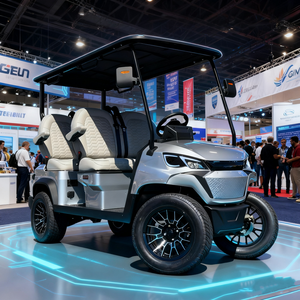
72V EEC Certified High-Power Electric Golf Buggy
Built with high-torque drivetrain options and anti-corrosion structural steel for heavy resort terrain and hilly commercial courses.
Get a Quote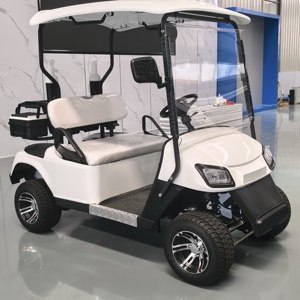
Off-Road Electric Golf Cart Buggy 3-4 Seats 60V 5KW
Lifted suspension package with aggressive tread tires designed for farmsteads, eco-resorts, and rugged off-paved perimeter paths.
Get a Quote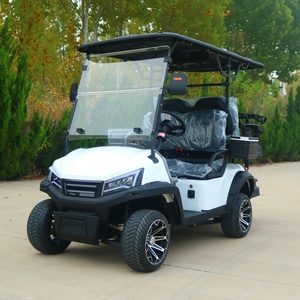
Street Legal 4WD Electric 6-Seater Sightseeing Cruiser
All-wheel drive configuration providing superior hill-climbing traction for high-capacity passenger transportation in large resorts.
Get a Quote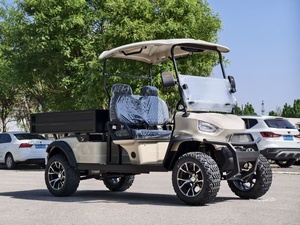
2-Seater Lifted Sporty Electric Cruiser for Farm & Beach
Compact 2-passenger utility buggy with reinforced bumper protection, high ground clearance, and sealed electrical harness for sand & mud.
Get a Quote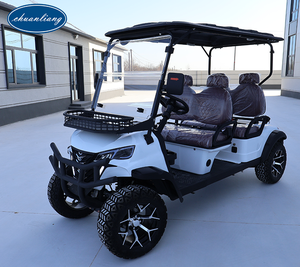
Customized 4-Seater Lithium Electric Resort Guest Buggy
Premium guest transfer cruiser featuring ergonomic seating, custom paint finishes, and ultra-quiet brushless AC drivetrain.
Get a Quote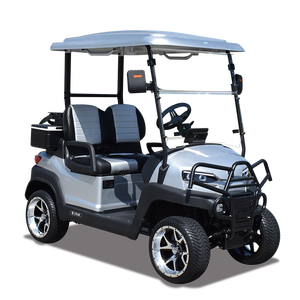
4-Wheel 2-Seat Electric Golf Buggy with Integrated Audio
Personalized commercial cruiser equipped with sound package, luxury dash layout, and long-life lithium battery pack.
Get a Quote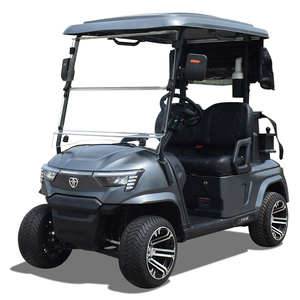
Customizable 2-Seater Electric Utility Cart with Cargo Bed
Heavy-duty back-of-house utility vehicle featuring rear cargo box layout for facility maintenance, housekeeping, and industrial transport.
Get a Quote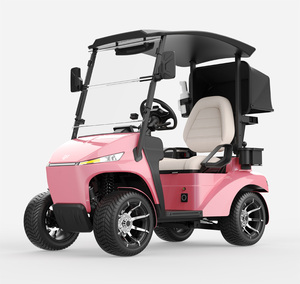
Single-Seat Quick-Charge Electric Golf Cart (CE Certified)
Compact single-occupant cruiser designed for rapid course mobility, security patrols, and high-efficiency operational rounds.
Get a QuoteStructural Engineering & Drivetrain Architecture in Modern Electric Cruisers
Selecting a commercial electric cruiser manufacturer requires looking far beyond surface aesthetics. In heavy commercial environments—such as luxury island resorts, 36-hole golf complexes, university campuses, and industrial plants—vehicle chassis stress, humidity exposure, and thermal battery degradation represent the primary drivers of total fleet downtime.
Modern low-speed electric cruiser manufacturing has experienced a fundamental shift from legacy DC brushed systems to high-efficiency AC Asynchronous and Permanent Magnet Synchronous Motor (PMSM) powertrains. Combined with intelligent CAN-bus programmable controllers (such as Curtis or Toyota Systems), modern 60V and 72V architectures yield up to 94% motor system efficiency, eliminating brush maintenance while providing regenerative braking recovery on downward slopes.
Galvanized Chassis Integrity
Robotic welded tubular steel chassis subjected to hot-dip galvanization inside and out. Impervious to salt spray, fertilizer runoff, and tropical moisture.
72V High-Torque Powertrains
Delivers continuous power output from 5kW to 7.5kW. Easily negotiates 25% to 30% incline gradients under full 6-passenger load without thermal throttling.
LiFePO4 Energy Density
Integrated Lithium Iron Phosphate (LiFePO4) packs equipped with active balancing BMS. Offers 3,500+ cycles at 80% Depth of Discharge (DoD).
B2B Purchasing Trends: The Next Decade in Electric LSV & Cruiser Procurement
As corporate sustainability targets align with strict operational budgeting, B2B procurement directors are shifting their evaluation matrices. The decision-making process for buying commercial electric golf buggies and cruisers now prioritizes long-term battery lifespan models, automated telematics integration, and modular body customization over initial purchase price.
1. 48V to 72V Voltage Migration
Higher system voltages reduce current draw (amperage) for the same kilowatt output. This minimizes I²R heat losses in cable harnesses, extends battery cycle life, and reduces heat build-up during long operational shifts.
2. Solar-Assisted Top-Up Charging
Integrated photovoltaic canopy roofs supply continuous trickle-charge currents (200W-300W peak) during daylight operation, extending shift range by 15-20km and reducing reliance on main grid plug-in cycles.
3. Fleet Telematics & Geofencing
Commercial suppliers are embedding 4G/GPS IoT modules connected directly to the vehicle controller. Fleet managers can remotely monitor battery state-of-charge, enforce digital speed limits, and lock out unauthorized usage zones.
Furthermore, regulatory approval frameworks such as European EEC (L6e/L7e) standards and North American street-legal Low-Speed Vehicle (LSV) compliance are now mandatory requirements for municipal and hospitality buyers looking to bridge the gap between private property shuttles and public road crossings.
Technical Benchmarking Matrix: Platform Specification Comparison
To assist procurement engineers and fleet managers in specifying the exact drivetrain and seating configuration for their facility, the following benchmark outlines key mechanical and electrical variables across product lines.
| Platform Type | Drivetrain Architecture | Battery Configuration | Max Incline Grade | Payload Capacity | Primary Commercial Use |
|---|---|---|---|---|---|
| 72V High-Power Cruiser | 7.5kW AC Synchronous | 72V 105Ah / 210Ah LiFePO4 | 30% (16.7°) | 600 kg (1,320 lbs) | Hilly Resorts, Sightseeing Tours |
| 60V Lifted Off-Road Buggy | 5.0kW AC Asynchronous | 60V 100Ah Lithium / AGM | 25% (14.0°) | 450 kg (990 lbs) | Beach Resorts, Farmsteads, Eco-Trails |
| 4WD Street-Legal Cruiser | Dual Motor 5kW + 5kW | 72V 210Ah Smart Lithium | 35% (19.3°) | 800 kg (1,760 lbs) | Perimeter Security, Steep Mountain Shuttles |
| Commercial Utility Deck Cart | 5.0kW Heavy Torque AC | 48V / 60V High Density | 20% (11.3°) | 1,000 kg (2,200 lbs) | Housekeeping, Maintenance, Cargo Transport |
Enterprise Advantages & Global OEM/ODM Supply Capabilities
As a premier electric cruiser manufacturer, our manufacturing facility spans over 45,000 square meters, equipped with automated robotic welding cells, cathode electrophoretic painting lines, and dynamic chassis dynamometer testing bays. We partner with commercial clients across Europe, North America, the Middle East, and Southeast Asia to deliver tailored electric mobility solutions.
Full OEM Customization
From CAD canopy design, custom seating stitch patterns, and corporate color matching to specialized hydraulic dump boxes and wheelchair ramps.
Global Export Compliance
Vehicles built in strict compliance with ISO9001 quality management, holding CE mark certification, EEC homologation documents, and DOT compliance readiness.
Comprehensive Spare Parts Guarantee
We maintain a 10-year stocked inventory of all critical componentry including controllers, transaxles, brake assemblies, display units, and wire harnesses.
Commercial Electric Cruiser Procurement FAQ
What is the structural difference between standard 48V carts and commercial 72V electric cruisers?
A 72V system operates at significantly lower current (amperage) levels to achieve the equivalent power output (kW) of a 48V system. This reduction in current minimizes electrical resistance heat build-up in motors and wiring, leading to higher efficiency, extended range per charge (up to 20% increase under heavy payload), and longer overall battery lifespans—making 72V the preferred standard for commercial multi-passenger cruisers and heavy utility vehicles.
Why is LiFePO4 battery chemistry recommended over traditional lead-acid for fleet operations?
Lithium Iron Phosphate (LiFePO4) offers substantial operational advantages for commercial buyers: (1) Lifespan: 3,500+ charge cycles compared to 500-800 cycles for lead-acid; (2) Zero Maintenance: No water topping, terminal corrosion cleaning, or acid spill risks; (3) Opportunity Charging: LiFePO4 can be fast-charged during staff lunch breaks without memory effect; (4) Weight Efficiency: 60% lighter pack weight increases vehicle payload capacity and hill-climbing performance.
How many electric cruisers can fit into a 20ft and 40ft High Cube (HC) shipping container?
Shipping packing density depends on vehicle wheelbase length and whether the cart is shipped fully assembled (CBU) or semi-knocked down (SKD):
- 20ft Container: Typically accommodates 2 to 4 units (SKD roof-removed method).
- 40ft HC Container: Accommodates 8 to 12 units of 2/4-seater cruisers, or 4 to 6 units of 6/8-seater passenger shuttles. SKD packaging maximizes container volume utilization, lowering ocean freight cost per unit.
Can your electric cruisers be registered for street-legal use on public roads?
Yes. We manufacture specific vehicle configurations equipped with EEC (L6e/L7e) homologation packages for European markets and DOT-compliant Low-Speed Vehicle (LSV) packages for North America. Street-legal packages include VIN plates, glass windshields with wipers, seat belts, side mirrors, hydraulic disc brakes, turn signals, high/low beam LED headlights, and 25mph (40km/h) speed governor settings.
What anti-corrosion protection measures are applied for coastal resort fleets?
For coastal, island, or high-humidity resort environments, we implement a multi-layer protection protocol: (1) Frame: Full hot-dip galvanization inside and outside structural tubes; (2) Fasteners: 304/316 grade stainless steel nuts and bolts; (3) Enclosures: Sealed weather-proof IP67 wiring connectors and potted electronic controllers; (4) Body Panels: High-impact UV-resistant PP/ABS injection molded body shell that will not rust or peel.
What is the warranty coverage and technical support process for international B2B buyers?
We provide a comprehensive commercial warranty structure: 5 years on the chassis frame, 3 years on LiFePO4 battery packs, and 1-2 years on powertrain components (motor, controller, transaxle). In the event of a warranty claim, diagnostic telemetry is analyzed remotely, and replacement parts are shipped via express courier alongside technical service documentation.
Request a Commercial Fleet Quotation & Technical Spec Sheet
Contact our engineering sales team today for container quantity pricing, OEM custom branding options, and comprehensive total cost of ownership (TCO) analysis for your operational project.