Commercial Electric & Solar Buggy Catalog
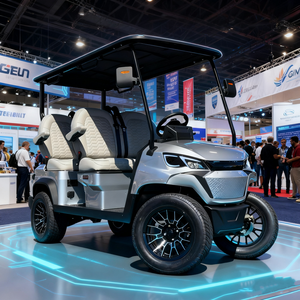
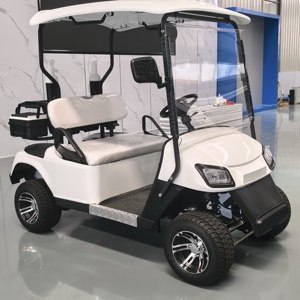
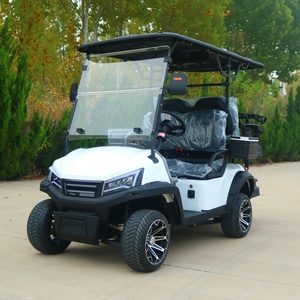
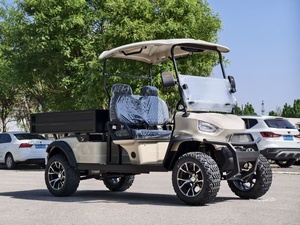
Explore our flagship heavy-duty, street-legal, and off-road electric buggies built with precision galvanised steel frames and advanced AC powertrains.
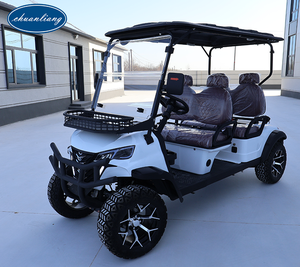
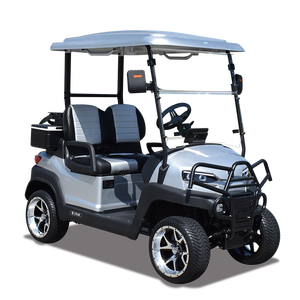
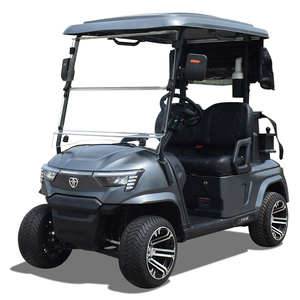
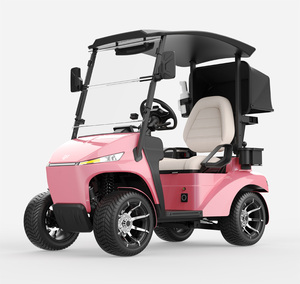
The Evolution of Low-Speed Solar Vehicles: Engineering & Operational Whitepaper
The global commercial low-speed electric vehicle (LSEV) landscape is undergoing a decisive paradigm shift. As mega-resorts, municipal campuses, industrial manufacturing complexes, and premier golf clubs work toward ambitious carbon-neutrality targets, procurement directors are turning to OEM/ODM solar buggy manufacturers capable of integrating photovoltaic auxiliary systems directly into heavy-duty transport vehicles. Modern solar buggies are no longer standard golf carts retrofitted with secondary panels; they are purpose-engineered commercial transport platforms featuring integrated MPPT (Maximum Power Point Tracking) controllers, automotive-grade LiFePO4 battery management chemistry, and high-torque AC induction powertrains designed for continuous 3-shift operation in challenging ambient environments.
Strategic Key Takeaway: Transitioning from conventional plug-in lead-acid carts to solar-assisted LiFePO4 fleets reduces overall Levelized Cost of Energy (LCOE) per kilometer by up to 42%, while simultaneously extending battery total service life from 2.5 years to over 8 years under severe tropical heat conditions.
1. Advanced Architectural Framework of Modern Solar Buggies
To evaluate top solar buggy manufacturers, fleet engineers must inspect structural chassis engineering and electrical layout integration. Standard utility buggies built on basic stamped steel frames suffer from micro-flexing and accelerated rust when deployed near marine coastlines, salt-laden resort humidities, or chemical plants. Premier manufacturing factories implement hot-dip galvanization protocols across the entire tubular chassis structure, ensuring a minimum zinc coating thickness of 80 microns. This architectural foundation ensures structural integrity over a 10-to-15-year service life.
From an electrical perspective, the integration of flexible monocrystalline silicon PV arrays on curved canopy roofs represents a major thermal and aerodynamic breakthrough. Achieving solar conversion efficiencies exceeding 23.5%, these light-weight panels add minimal overhead weight while generating continuous continuous trickle-charging current ranging from 250W to 600W depending on roof square-foot capacity. Managed by an intelligent MPPT solar charger tuned specifically for 48V, 60V, or 72V system buses, daytime operating cycles can gain between 15 km to 30 km of auxiliary solar range daily without requiring grid plug-in during daylight operational windows.
Monocoque Steel Chassis
Structural rigidity via hot-dip galvanization withstands high payload stresses, coastal salt haze, and rugged off-road resort tracks without structural fatigue.
MPPT Solar Integration
Real-time power tracking algorithms optimize roof PV output up to 98.5% efficiency, transferring solar energy directly into the battery pack during active motion.
Automotive AC Powertrain
Sealed brushless 5KW-7.5KW AC motors provide instant torque delivery, eliminating brush maintenance while handling 25%+ incline gradients under full load.
Future Sourcing & Procurement Trends (2025–2030)
As commercial fleet managers update their capital expenditure strategies, several macro trends are defining the future of commercial solar buggy procurement:
A. Total Shift from Lead-Acid to Modular Lithium (LiFePO4) Battery Packs
Legacy lead-acid battery packs present critical vulnerabilities for commercial fleet operators: deep discharge limitations (maximum 50% DoD), heavy curb weight, mandatory distilled water refilling routines, and toxic off-gassing during fast charging. Leading manufacturers have transitioned entirely to Lithium Iron Phosphate (LiFePO4) chemistry. LiFePO4 batteries tolerate 80%-90% Depth of Discharge over 3,500 to 5,000 charge cycles, feature built-in thermal management systems, and allow opportunity charging during shift breaks without memory degradation.
B. Telematics, Fleet IoT, and Remote Predictive Maintenance
Modern B2B fleet operations demand real-time visibility into vehicle locations, battery State-of-Health (SoH), driver behavior, and solar power yield metrics. Top factory manufacturers equip solar buggies with integrated CAN-bus IoT modules. Fleet managers access centralized dashboards monitoring real-time GPS tracking, battery cell voltage imbalances, thermal over-temperature alerts, and automated maintenance reminders, drastically reducing unpredicted fleet downtime.
C. Modular Platform Standardization & Customization
Enterprise clients rarely require off-the-shelf standard carts. Sourcing trends prioritize factory partners capable of offering modular chassis platforms adaptable for multiple utility roles: 2-seater cargo haulers, 4-to-8 passenger luxury resort shuttles, street-legal EEC certified golf cars, and specialized ambulance or housekeeping buggies sharing standardized spare parts (suspension arms, control electronics, brake pads, steering boxes).
Comparative Analysis: Energy Technologies for Commercial Fleets
To assist procurement managers in calculating ROI and total lifetime operational expenses, the technical matrix below contrasts standard lead-acid carts against modern factory-produced Lithium Solar-Hybrid Buggies.
| Performance / Spec Metrics | Traditional Lead-Acid Buggy | Standard Li-ion (NMC) Cart | EAYS Factory Solar LiFePO4 Buggy |
|---|---|---|---|
| Usable Battery Lifespan | 500 – 800 Cycles (2-3 Yrs) | 1,200 – 1,800 Cycles (4-5 Yrs) | 3,500 – 5,000+ Cycles (8-10+ Yrs) |
| Daily Operating Range | 40 – 60 km | 70 – 90 km | 90 – 130 km (Grid + Solar Yield) |
| Grid Electricity Costs | 100% Grid Dependent | 100% Grid Dependent | 30% - 40% Reduced via Solar PV Roof |
| Thermal Stability & Safety | Moderate (Sulfation risks) | Risk of Thermal Runaway | Extremely Safe (LiFePO4 Stable to 500°C) |
| Maintenance Overhead | High (Watering, Terminal Cleaning) | Low (BMS Monitored) | Zero Battery Water Maintenance |
| Chassis Rust Resistance | Basic Painted Steel (3-5 Yrs) | Standard E-Coat (5 Yrs) | Hot-Dip Galvanized Frame (15 Yrs) |
Why Global Fleet Operators Partner With Our Manufacturing Facility
We combine automotive-grade assembly precision, stringent quality control testing, and comprehensive after-sales engineering support.
Direct OEM & ODM Customization
From wheelbase extensions and custom body colors to specific seating upholstery and brand logo application, every vehicle order is built exactly to approved technical drawings.
International Quality Certifications
Our manufacturing lines operate under ISO9001 standards. Models carry full CE and EEC certifications, meeting rigorous street-legal safety standards across Europe, North America, and the Middle East.
Container Load Optimization
Our logistics team packs export orders using custom knockdown metal framing, allowing up to 4 to 6 units per 40ft High Cube container to minimize international ocean freight costs per unit.
End-to-End Spare Parts Support
We maintain full inventory catalog support for replacement controllers, suspension components, windshields, motors, and solar panels with express global dispatch.
Frequently Asked Questions for Fleet Procurement
Direct technical and operational answers to common questions asked by B2B buyers, fleet managers, and resort directors.
What is the real-world operational range of a solar-hybrid electric golf buggy?
A standard 48V or 60V electric cart equipped with a LiFePO4 battery pack delivers 60 to 80 km per full grid charge under normal resort conditions with passengers. When integrated with our 300W-500W roof MPPT solar panel array, daylight continuous solar trickle charging adds an extra 15 to 25 km of range daily, extending usable operational range to 80-100+ km depending on solar radiance and path inclines.
Can solar buggies operate effectively in cloudy weather or shaded resort areas?
Yes. The solar canopy panel acts as an auxiliary energy recovery system. While direct sunlight delivers peak MPPT charge currents (up to 98% efficiency), high-efficiency monocrystalline solar cells continue generating 15% to 30% power output under diffused light or light overcast skies. Mains AC plug-in charging remains the primary overnight charging method.
How many electric golf buggies fit inside a 40-foot shipping container?
Using our factory SKD/CKD knock-down packing method with custom steel transport racks, a 40-foot High-Cube (40HQ) container typically holds 4 to 6 units of 4-seater lifted carts, or up to 8 units of compact 2-seater buggies. Packaging roofs and windshields flat maximizes container volumetric efficiency and protects components from transit damage.
What custom OEM specifications can our resort or business order?
We offer extensive customization including: body paint color code matching, custom logo embroidery on weather-resistant vinyl seats, custom rim designs, lifted off-road suspension packages, Bluetooth audio soundbars, enclosed canvas weatherproof enclosures, flip-flop rear seat kits, and heavy-duty cargo utility boxes.
How does a LiFePO4 solar buggy lower maintenance costs compared to lead-acid carts?
LiFePO4 lithium batteries eliminate distilled battery watering tasks, terminal corrosion cleaning, and frequent acid leak damage to cart frames. Additionally, lithium batteries are 50% lighter than lead-acid packs, significantly reducing tire wear, brake pad friction wear, and suspension bush stress over the lifetime of the cart.
What certifications are provided for street-legal municipal or commercial use?
Selected models in our catalog are fully EEC (European Community Whole Vehicle Type Approval) and CE certified, featuring street-legal equipment packages: DOT approved safety glass windshields, side mirrors, hydraulic 4-wheel disc brakes, three-point seatbelts, LED headlights/tail-lights, turn indicators, horn, and digital speedometer displays.
Request Custom OEM Quotes & Technical Specifications
Looking to upgrade your resort fleet, municipal transport system, or golf course facilities? Contact our engineering and factory sales team today for factory-direct pricing, bulk container discounts, and customized CAD fleet planning.