Commercial-Grade Electric & Vintage Buggy Range
Directly engineered for long-shift duty cycles, high-ambient thermal endurance, zero-emission municipal compliance, and luxury guest transfer performance.
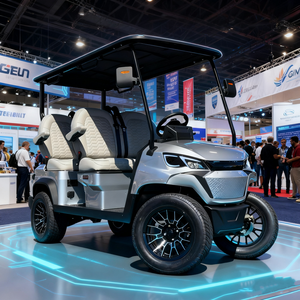
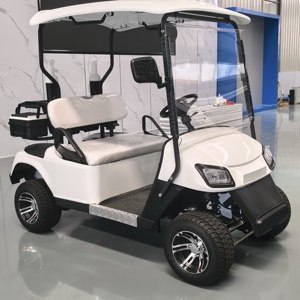
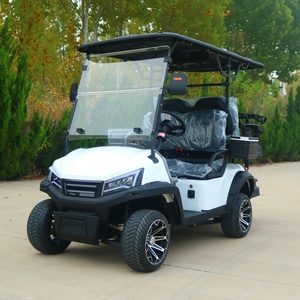
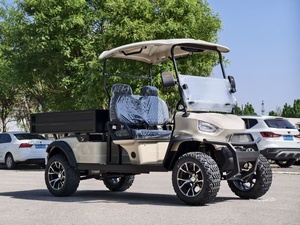
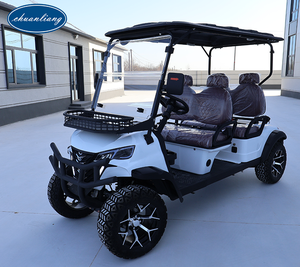
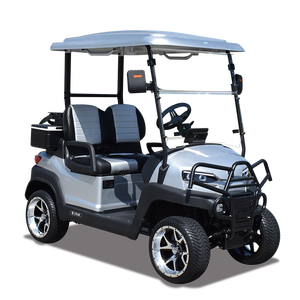
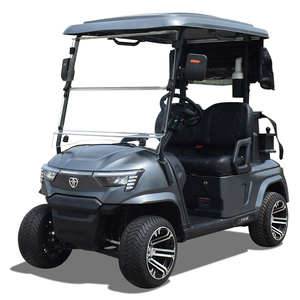
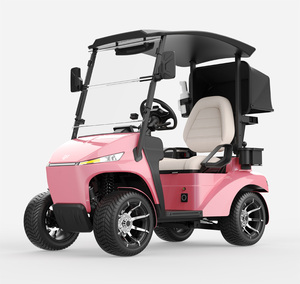
The Engineering Paradigm Shift in Commercial Vintage Buggy Manufacturing
The global market for low-speed electric mobility (LSV) and vintage luxury guest shuttles has experienced a structural evolution. Commercial buyers—ranging from 5-star heritage hotels, expansive eco-resorts, and championship golf courses to municipal sightseeing hubs and industrial complexes—no longer evaluate procurement solely on aesthetic appeal or initial acquisition cost. Modern fleet decision-makers prioritize Total Cost of Ownership (TCO), thermodynamic stability of lithium chemistry, structural galvanization for corrosion resistance, and adaptive AC brushless motor control.
As top trusted vintage buggy manufacturers and exporters, enterprise engineering frameworks require moving beyond lightweight plastic golf cart assemblies toward automotive-grade monocoque chassis dynamics. Vintage-styled electric buggies represent a distinct class: combining timeless 19th-century coachwork aesthetics with modern 72V/60V AC powertrains, intelligent BMS monitoring, and solar-hybrid auxiliary trickle charging.
Platform Architecture Comparison Matrix
A granular side-by-side engineering evaluation comparing traditional golf buggies against heavy-duty vintage commercial platforms.
| Specification Metric | Standard Fleet Buggy | EAYS Vintage Commercial Platform | Operational Gain for Enterprise Fleets |
|---|---|---|---|
| Chassis Metallurgy | Stamped Channel / Standard Steel | Hot-Dip Galvanized Structural Steel | Eliminates structural rust in high-humidity & coastal salt air (10+ Yr Lifespan) |
| Powertrain Architecture | 3.7kW - 48V DC Brushed Motor | 5kW - 7.5kW / 72V AC Brushless Motor | +45% torque efficiency on steep 25% inclines; maintenance-free brushless build |
| Energy Storage Options | Flooded Lead-Acid Batteries | LiFePO4 (Lithium Iron Phosphate) / Solar Hybrid | 3,500+ charge cycles vs 600 cycles; zero battery watering labor; rapid 2-hr charge |
| Suspension System | Rigid Leaf Springs / MacPherson | Double Wishbone Independent Hydraulic | Superior vibration damping for luxury VIP guest comfort on uneven cobble pathways |
| Bodywork & Finish | Injection Molded ABS Plastic | Handcrafted Reinforced Composite Monocoque | High impact resistance, custom polyurethane paint matching, anti-UV degradation |
| Braking & Safety | Rear Mechanical Drum Brakes | 4-Wheel Hydraulic Disc + Electro-Magnetic Park | Automatic hill-hold prevention; reduced stopping distance under 14-passenger load |
Future Procurement Trends in Vintage Buggies & LSVs
Key technological shifts driving global commercial fleet purchasing decisions over the next decade.
1. Roof PV Solar-Hybrid Auxiliary Charging
Integration of ultra-thin, flexible monocrystalline photovoltaic panels into cart canopies. By supplementing daily charging cycles with solar energy, fleet operators cut plug-in grid dependency by 20–30%, extending working shift hours during daylight operations in sunny resort climates across the Middle East, Africa, and Southeast Asia.
2. Transition to Solid-State LiFePO4 Systems
The enterprise shift from heavy, maintenance-intensive lead-acid traction packs to Lithium Iron Phosphate (LiFePO4) is accelerating. LiFePO4 packs offer high volumetric energy density, thermal safety up to 60°C ambient temperatures, and opportunity fast-charging during break times without battery memory degradation.
3. IoT Telemetry & Remote Fleet Management
Modern commercial vintage buggies are equipped with CAN-bus IoT controllers providing real-time GPS tracking, battery State of Health (SOH) telemetry, automated geo-fencing speed restrictions, and predictive maintenance alerts to minimize unexpected downtime across large resort estates.
4. EEC Street-Legal & ISO Compliance Safety
Procurement mandates increasingly demand full homologation. European EEC certification, street-legal DOT compliance packages (LED indicators, tempered glass windshields, three-point seatbelts, side mirrors), and ISO9001 manufacturing guarantees ensure buggies can transition seamlessly from private courses onto public municipal roads.
5. Modular Body Configuration Architecture
Multi-purpose modular vehicle frames enable quick back-of-house conversion. A single chassis platform can swap between 6-seater guest shuttles, utility flatbed cargo carriers, housekeeping linen carts, or VIP vintage sightseeing configurations, maximizing capital utilization for resort managers.
6. Bespoke Heritage Styling & OEM Branding
Luxury hospitality brands require vehicles that complement their property architecture. Demand for customized vintage styling—featuring hand-stitched marine-grade vinyl upholstery, classic brass trim highlights, customized grille logos, and retro dashboard dials—is experiencing unprecedented growth.
Why Global Procurement Teams Partner With Us
Backed by robust engineering processes, global compliance, and documented after-sales field support.
Galvanized Anti-Rust Chassis Guarantee
Every vintage buggy and electric cart built by EAYS Electrics features a hot-dip galvanised high-tensile steel chassis. Tested against 1,000-hour salt spray exposure, our frames withstand extreme tropical marine and pool environments without structural corrosion.
High-Torque AC Powertrain Integration
Utilizing high-efficiency 5kW to 7.5kW AC induction motors coupled with smart programmable Curtis / Enpower AC controllers, our buggies deliver smooth acceleration, automatic regenerative braking, and hill-descent safety control on 25%+ gradients.
Tailored Fleet Customization (OEM/ODM)
From 2-seater resort runabouts to 14-seater vintage sightseeing buses, we manufacture bespoke seating layouts, custom body color matching, weather-proof enclosures, luxury interior accents, and integrated audio/public address systems.
Documented Lifecycle Service & Spares
We provide comprehensive after-sales technical backing: detailed technical manuals, fast-track global shipping of genuine spare parts, remote diagnostic technician support, and standard 1-year to 3-year warranty programs on major drivetrain components.
Frequently Asked Procurement Questions
Direct technical answers to common questions raised by hospitality operations, fleet managers, and international importers.
A standard 48V flooded lead-acid configuration delivers between 60 km and 80 km of range on flat paved resort terrain under typical two-to-four passenger loads. Upgrading to our 60V or 72V Lithium LiFePO4 pack extends range to 90 km – 120 km per charge while maintaining constant acceleration voltage even at lower states of charge (SOC). Range will vary based on terrain incline, payload weight, ambient temperature, and auxiliary accessory usage (e.g., lighting, sound systems, cooling fans).
Our commercial platforms are specifically engineered for harsh operating environments, such as Middle Eastern desert heat (up to 50°C) and steep coastal resort hills. Equipped with high-torque 5kW – 7.5kW AC brushless motors and thermal-cutout protected AC controllers, our buggies handle continuous 20% to 28% inclines without overheating. The integrated regenerative braking system converts kinetic energy back into battery charge while controlling downhill speeds safely.
Container optimization depends on canopy height and body length: A standard 20 ft container typically accommodates 2 to 3 units (SKD / semi-knocked down). A 40 ft High-Cube (40HQ) container fits 4 to 6 units for 4-seater/6-seater vintage carts, or up to 8 units when roofs, windshields, and oversized wheels are packaged separately in dedicated protective steel crates. Detailed packing specs and loading diagrams are provided prior to shipment sign-off.
For low-frequency or seasonal usage where capital expenditure (CapEx) must be minimized, lead-acid packs remain viable. However, for high-frequency multi-shift operations (hoteliers, airports, large campuses), Lithium LiFePO4 is strongly recommended. Lithium packs offer 3,500+ charge cycles (vs. 600 cycles for lead-acid), weigh 60% less (reducing tire and suspension wear), support 2-hour fast opportunity charging, and eliminate distilled water topping labor entirely, achieving a lower Total Cost of Ownership within 18 months.
Yes. OEM/ODM customization is a core manufacturing service. We offer precise DuPont/PPG color matching for body panels, customized logo embroidery on marine-grade leather seats, custom dashboard layouts, retro brass styling, wooden grain steering wheels, enclosed weather curtains, clear or tinted flip windshields, and integrated GPS audio tour systems. Complete CAD specification sheets are signed off prior to production mass assembly.
Electric buggies require significantly less maintenance than internal combustion engines (no oil changes, spark plugs, or fuel filters). Recommended maintenance includes monthly checks of tire pressures, brake fluid levels, and battery terminal tightness; quarterly inspection of suspension bushes and steering linkages; and annual alignment checks. Lead-acid packs require bi-weekly electrolyte water top-ups, whereas LiFePO4 packs require zero chemical maintenance.
Transform Your Commercial Fleet Operations
Consult directly with our senior EV engineers to configure your vehicle specifications, request factory-direct wholesale quotes, or plan your custom fleet deployment.