1. Technical Engineering Standards in Vintage Electric Cart Manufacturing
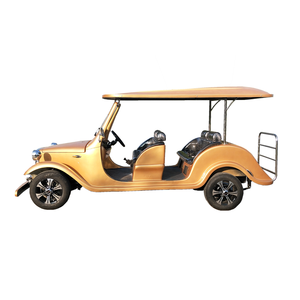
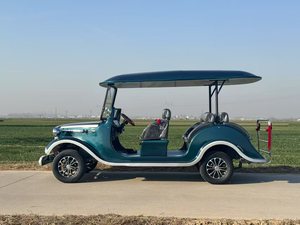
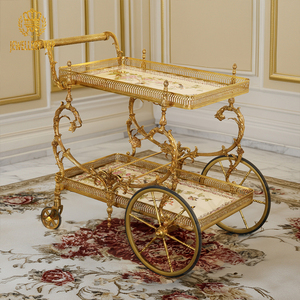
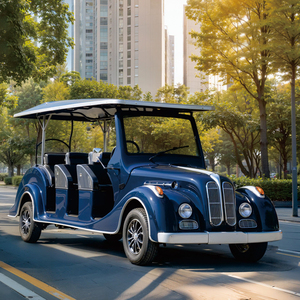
When procurement directors in luxury hospitality, municipal tourism, and commercial real estate evaluate vintage cart manufacturers and factories, structural integrity and drivetrain efficiency take precedence over superficial aesthetic bodywork. Nostalgic exterior design—modeled after early 20th-century classic automobiles or vintage French service trolleys—must be engineered around modern, low-maintenance mechanical architectures.
Leading OEM manufacturers employ hot-dip galvanized steel tubular chassis structures treated with electrophoretic coating (E-coating). This multi-stage surface treatment eliminates subterranean oxidation risks caused by high humidity, coastal saltwater environments, or frequent resort washdowns. Unlike standard painted carbon-steel frames, rust-proofed chassis retain structural rigidity over a 10-to-15-year service lifecycle.
- Powertrain Efficiency: Transition from legacy DC brush motors to 48V/72V brushless AC induction motors paired with programmable digital controllers (e.g., Curtis or Toyota AC units), boosting energy conversion efficiency beyond 92%.
- Thermal & Stress Resilience: Fiber-reinforced composite plastic (FRP) and hand-laid aluminum alloy coachwork reduce curb weight by up to 25%, minimizing energy drag during continuous incline navigation.
- Suspension Dynamics: Independent front MacPherson strut suspension systems paired with rear trailing arm hydraulic shock absorbers prevent body roll, ensuring premium passenger comfort across uneven cobblestone or gravel pathways.
Automotive-Grade Galvanized Frame Welding
Robotically welded tubular chassis with hot-dip zinc dipping guarantees total interior tube corrosion resistance, handling axle loads up to 1,500 kg without flex deformation.
LiFePO4 Smart Battery Management Integration
Integrated Lithium Iron Phosphate battery modules with active cell balancing, thermal sensors, and CAN-bus telemetry offer 3,500+ charge cycles and zero maintenance overhead.
International Homologation & Safety Compliance
Built to pass EEC L7e, CE machinery directives, and ISO 9001 quality audits. Equipped with four-wheel hydraulic disc brakes, laminated safety windshields, and LED lighting.
2. Comparative Specifications: Vintage Commercial Carts vs. Standard Utility Fleets
To assist fleet purchasing managers in formulating accurate Total Cost of Ownership (TCO) projections, our engineering team has compiled a performance and specification comparison matrix detailing structural, power, and commercial parameters.
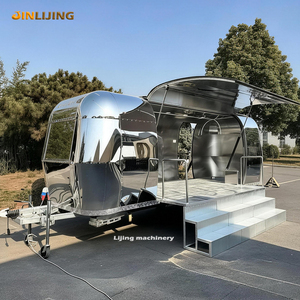
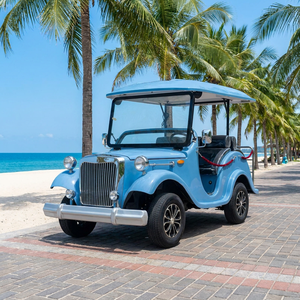
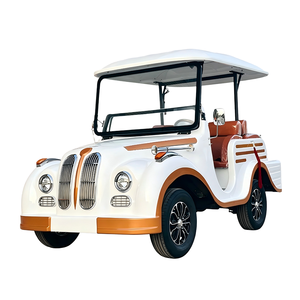
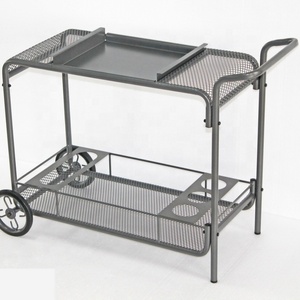
| Evaluation Vector | Commercial Vintage Shuttle (4–8 Seat) | Retro Concession Trailer Cart | Interior Vintage Service Trolley | Standard Plastics Golf Cart |
|---|---|---|---|---|
| Primary Application | Resort, Estate & VIP Transport | Mobile Catering & Event Sales | 5-Star Hotel & Dining Service | Golf Course Passenger Rental |
| Chassis Metallurgy | Hot-Dip Galvanized E-Coated Steel | Heavy-Duty Dual-Axle Steel Frame | Electroplated Brass / Wrought Iron | Standard Painted Carbon Steel |
| Motor & Energy System | 4kW–7.5kW AC / LiFePO4 Battery | N/A (Towable) or 4kW Auxiliary | Manual Ergonomic Push Wheel | 3.7kW DC / Flooded Lead-Acid |
| Braking & Safety | Hydraulic Disc + Regenerative AC | Mechanical Surge & Park Brake | Dual Foot-Caster Safety Lock | Rear Mechanical Drum Brakes |
| Average Lifespan | 12–15 Years | 10–12 Years | 8–10 Years | 5–7 Years |
| Customization Potential | High (Upholstery, Canopy, Paint) | Extreme (Kitchen Fit-outs, Neon) | Moderate (Finishes, Wood Inlay) | Low (Standardized Shell) |
3. Strategic Procurement Trends in the Global Vintage Cart Industry (2026–2030)
The global low-speed vehicle (LSV) and specialized commercial trolley markets are undergoing structural shifts driven by decarbonization mandates, corporate sustainability targets, and experiential marketing strategies. Key developments defining future factory production lines include:
A. Rapid Adoption of Solid-State & LiFePO4 Energy Packs
Traditional flooded lead-acid batteries are rapidly being phased out by institutional buyers due to high maintenance costs (water topping, acid leak risks, low depth of discharge). Factory lines are now engineered around modular Lithium Iron Phosphate (LiFePO4) systems. These packs reduce vehicle deadweight by 150–250 kg, enabling extended operating ranges (100–120 km per charge) and allowing opportunity fast-charging during off-peak hours without battery degradation.
B. Roof-Integrated Solar Assist Systems (Photovoltaic Hybrid Charging)
For outdoor resort shuttles operating in tropical regions, manufacturers are embedding ultra-thin flexible monocrystalline solar panels directly into the fiberglass canopy structure. This solar assist setup continuously delivers trickle charging during daylight shifts, offsetting accessory loads (such as LED headlights, refrigeration units, audio systems, and cooling fans) and extending total daily mileage by 15% to 20%.
C. Modular Kitchen Architecture in Retro Concession Fleets
The rise of experiential outdoor dining, festival catering, and mobile brand activation has surged demand for custom retro food trailers. OEM factories are implementing modular 304 food-grade stainless steel interior fit-outs featuring pre-certified plumbing, fire suppression systems, GREENGUARD-certified floor insulation, and high-capacity electrical sub-panels capable of powering espresso machines, deep fryers, and pizza ovens simultaneously.
4. Partnering with Direct Manufacturers: Quality Assurance & OEM Ecosystem
Procuring directly from established manufacturing facilities eliminates intermediary markups while opening direct channels to custom engineering. Authentic factory partners provide comprehensive technical support starting prior to production sign-off:
- Pre-Production CAD & 3D Rendering: Technical blueprints, color swatches, canopy material samples, and seating configurations are finalized and digitally modeled for client sign-off before manufacturing begins.
- On-Site Quality Control Testing: Every completed vehicle undergoes a rigorous 50-point factory audit, including chassis water-tightness rain chamber tests, steep gradient holding brake tests, 5-kilometer dynamic road tracking tests, and high-voltage insulation resistance testing.
- Spare Parts Availability & Global Warranty: Direct factory partnerships guarantee a 10-year supply chain availability for structural chassis parts, body molds, electrical controllers, and axle assemblies, supported by a 1-to-3 year comprehensive warranty program.
Consult With Our Senior Mobility Engineers
Whether you are procuring a single custom luxury service trolley, equipping a commercial resort fleet with vintage shuttles, or designing a retro food trailer franchise network, our technical team provides complete specification assistance and factory-direct pricing.
Inquire Now