Mon–Sat 10:00–17:00 IST Bhiwani, Haryana 127306, India 1-Year On-Site Warranty
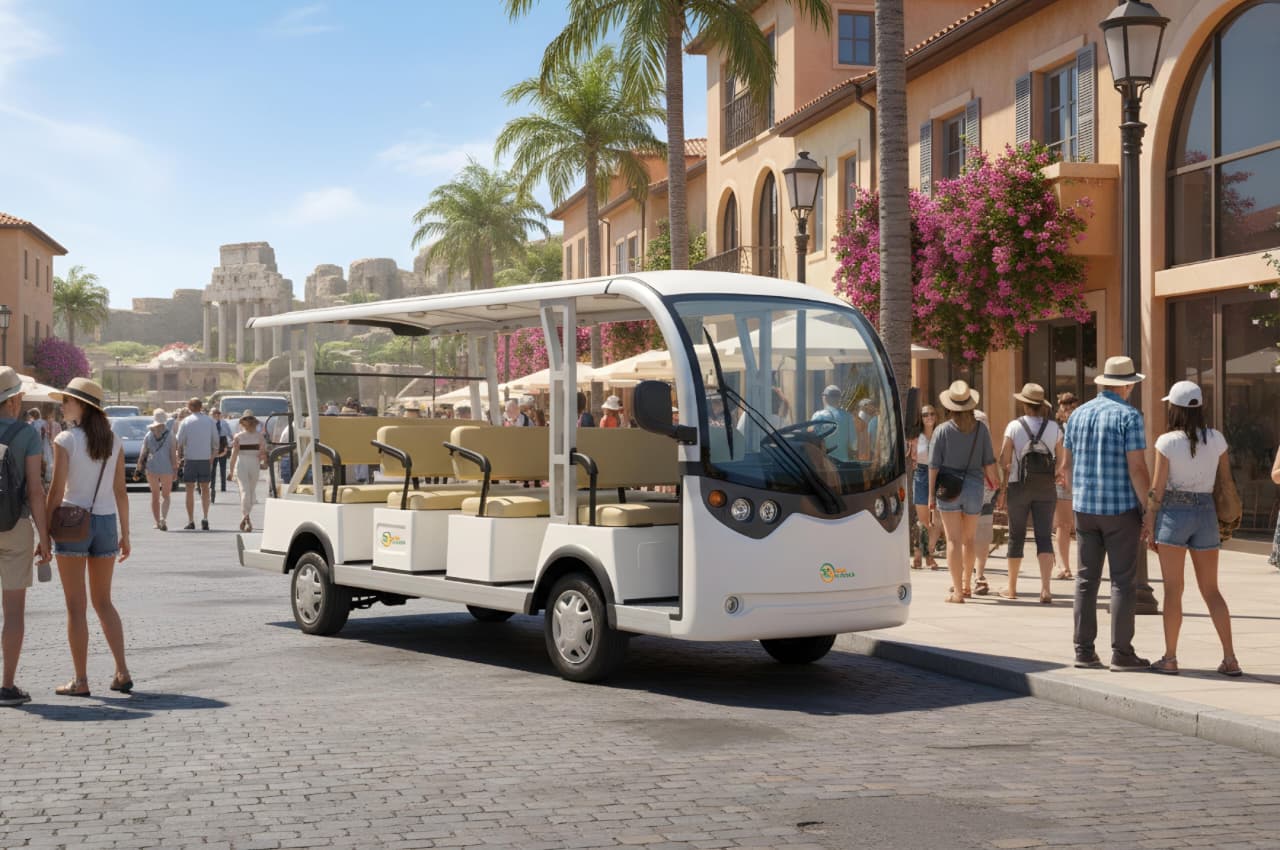
Hospital Electric Passenger Cart outside medical medical centre
Electric medical passenger cart transporting patients across hospital wings
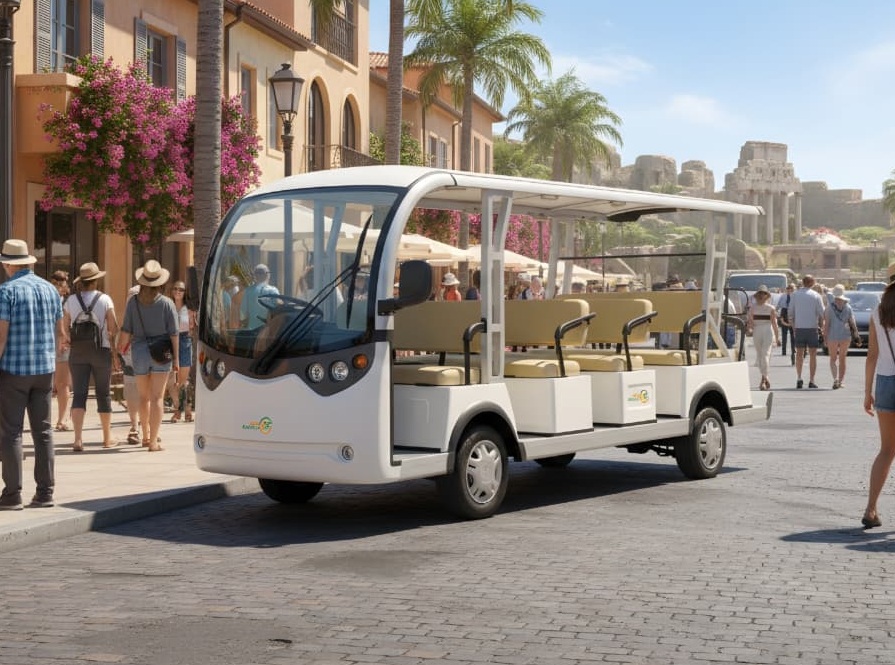
Electric mini bus hospital passenger cart carrying visitors on medical campus
Medical Micro-Mobility & Fleet Manufacturing

Hospital Electric Passenger Cart Engineered for Zero Noise & Maximum Safety

The definitive global procurement guide & product showcase for medical center mobility, patient transfer buggies, wheelchair-accessible shuttles, and hospital fleet operations.

Medical-grade Hospital Electric Passenger Cart — 2 to 14 seats, smooth AC powertrain.

Key advantages of EAYS Hospital Electric Passenger Carts

500+Fleets Deployed

Hospitals, rehabilitation centers, and medical university campuses relying on EAYS buggies for 24/7 patient transport.

Ultra-SmoothHydraulic Suspension

Independent front suspension engineered to eliminate vibrations and impacts for post-op and fragile patients.

Solar Assist24/7 Uptime

Roof-integrated PV panels supplement battery charging during daytime shifts, ensuring non-stop intra-hospital mobility.

Medical LiFePO4Safety Batteries

Zero thermal runaway risk with certified LiFePO4 chemistry and fast opportunity charging for intensive medical shifts.

1-Year On-SiteGlobal Warranty

Guaranteed spare parts, documented preventative care manuals, and remote tele-diagnostic support for fleet directors.

Strategic Procurement Guide

Hospital Electric Passenger Cart: Rethinking Medical Campus Micro-Mobility

How global healthcare systems are optimizing patient transfer logistics, reducing indoor noise pollution, and upgrading to zero-emission fleet architecture.

Modern healthcare infrastructure has evolved from isolated multi-story buildings into vast, sprawling medical complexes. A multi-specialty hospital campus frequently spans 20 to 100+ acres, incorporating outpatient clinics, diagnostic centers, surgical blocks, emergency departments, inpatient wings, and multi-level parking structures. In this high-intensity environment, the mobility of patients, elderly visitors, mobility-impaired individuals, medical personnel, and critical supplies represents a vital operational nerve center.

Deploying a dedicated Hospital Electric Passenger Cart fleet has transitioned from a luxury amenity to a core operational requirement. Standard gasoline buggies or unrefined utility vehicles are fundamentally unsuitable for healthcare environments due to tailpipe emissions, high decibel noise levels, harsh suspension tuning, and high risk of mechanical downtime. Procurement officers and hospital facility directors worldwide must carefully evaluate specialized electric passenger carts engineered explicitly for medical applications.

Key Takeaway for Healthcare Fleet Directors:

A true medical-grade passenger cart requires three non-negotiable engineering pillars: ultra-low vibrational transfer (to protect vulnerable or post-surgical patients), medical-grade surface sanitization compatibility (resistant to harsh chemical disinfectants), and zero-fail electrical reliability backed by BMS-monitored LiFePO4 batteries.
Medical Fleet Showcase

Recommended Hospital Electric Passenger Cart Configurations

From agile 2-seater outpatient buggies to 14-seater campus shuttles and specialized stretcher units, explore EAYS Electrics’ certified hospital range.

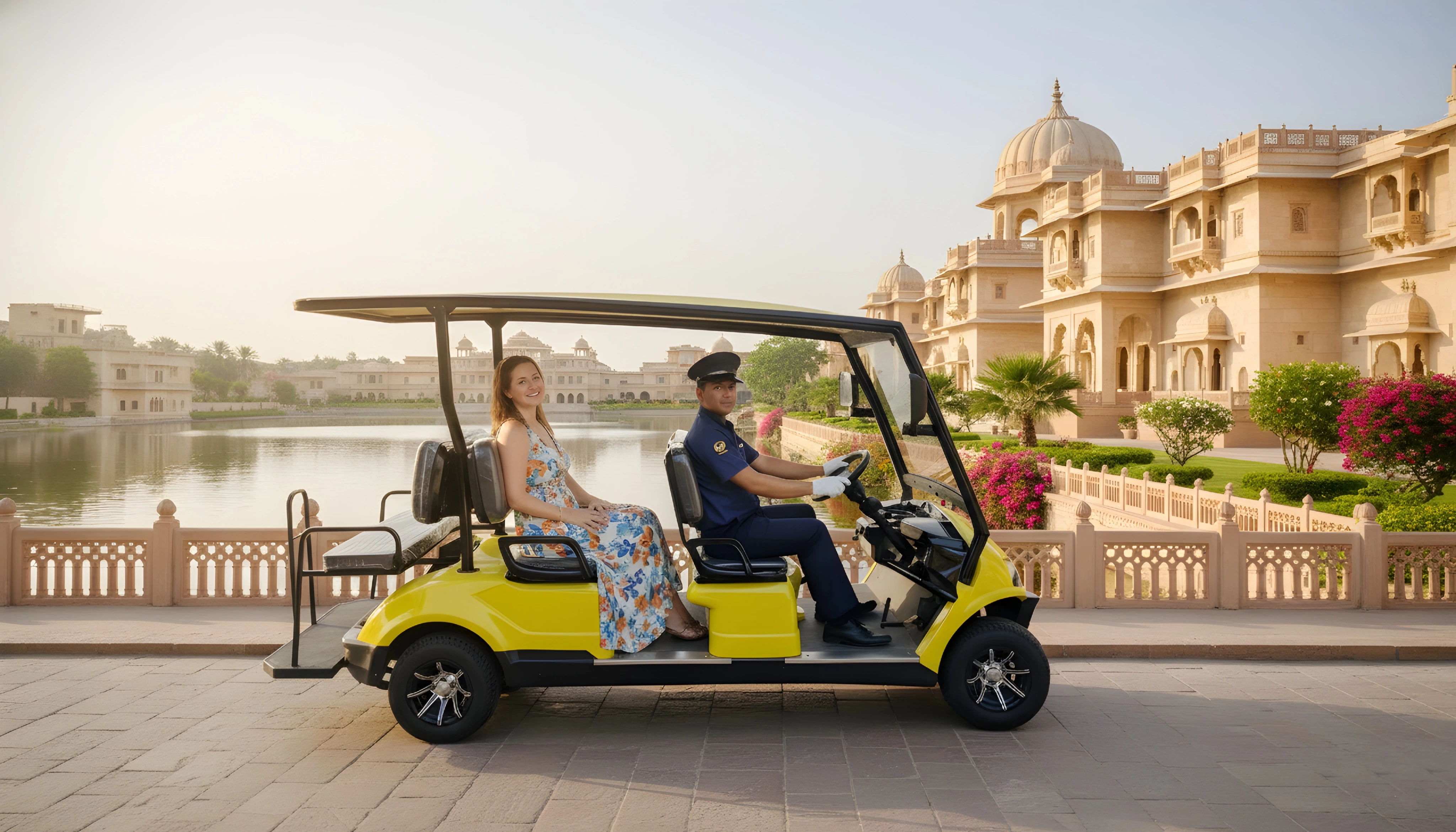
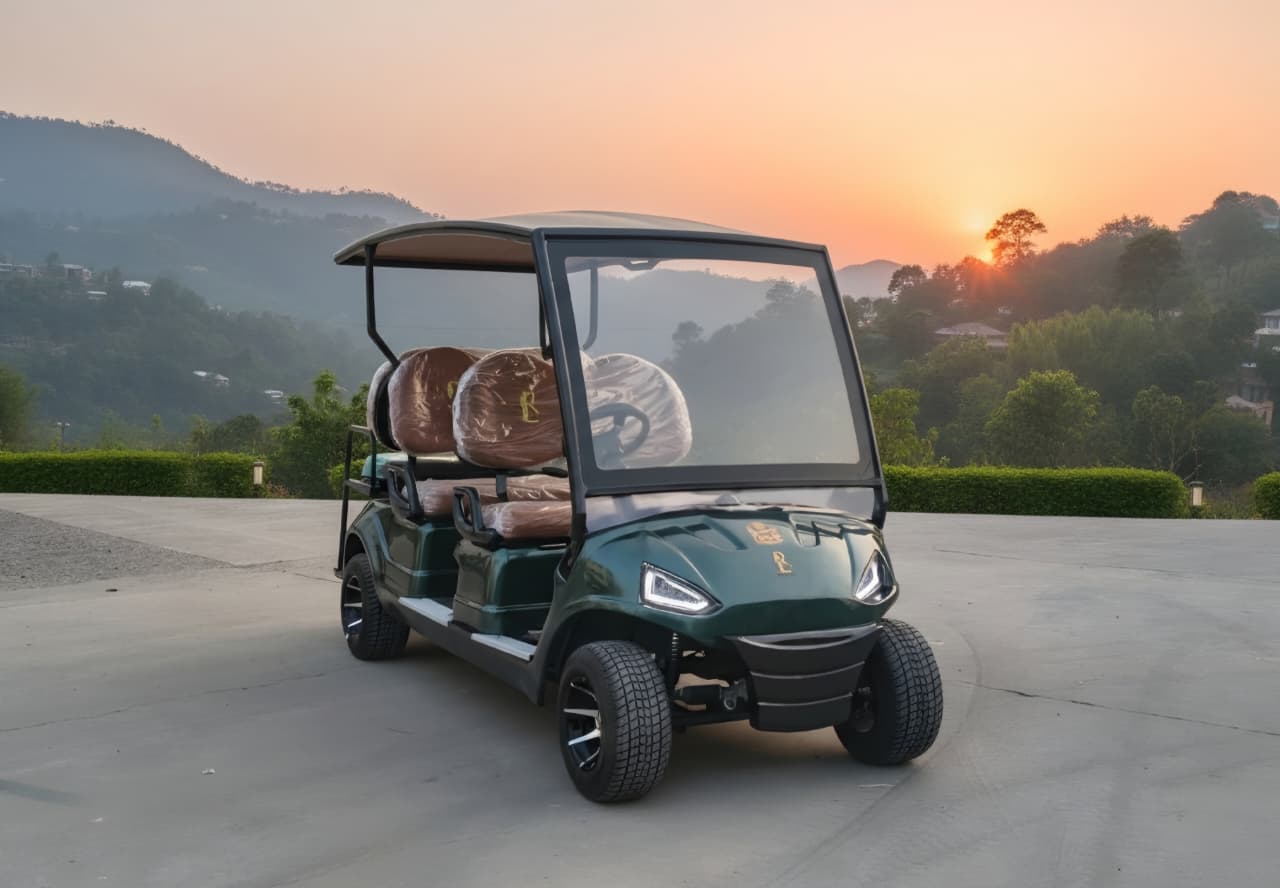
Hospital Solar Hybrid Electric Passenger Cart Outpatient Favourite

Solar Hybrid Outpatient Cart

Designed for transferring elderly and outpatient visitors between parking garages, main reception, and diagnostic corridors. Roof solar panel extends shift duration significantly.

Motor
4–5 kW AC Brushless
Capacity
4–6 Passengers
Battery
48V LiFePO4 / Lead-Acid
Contact Us
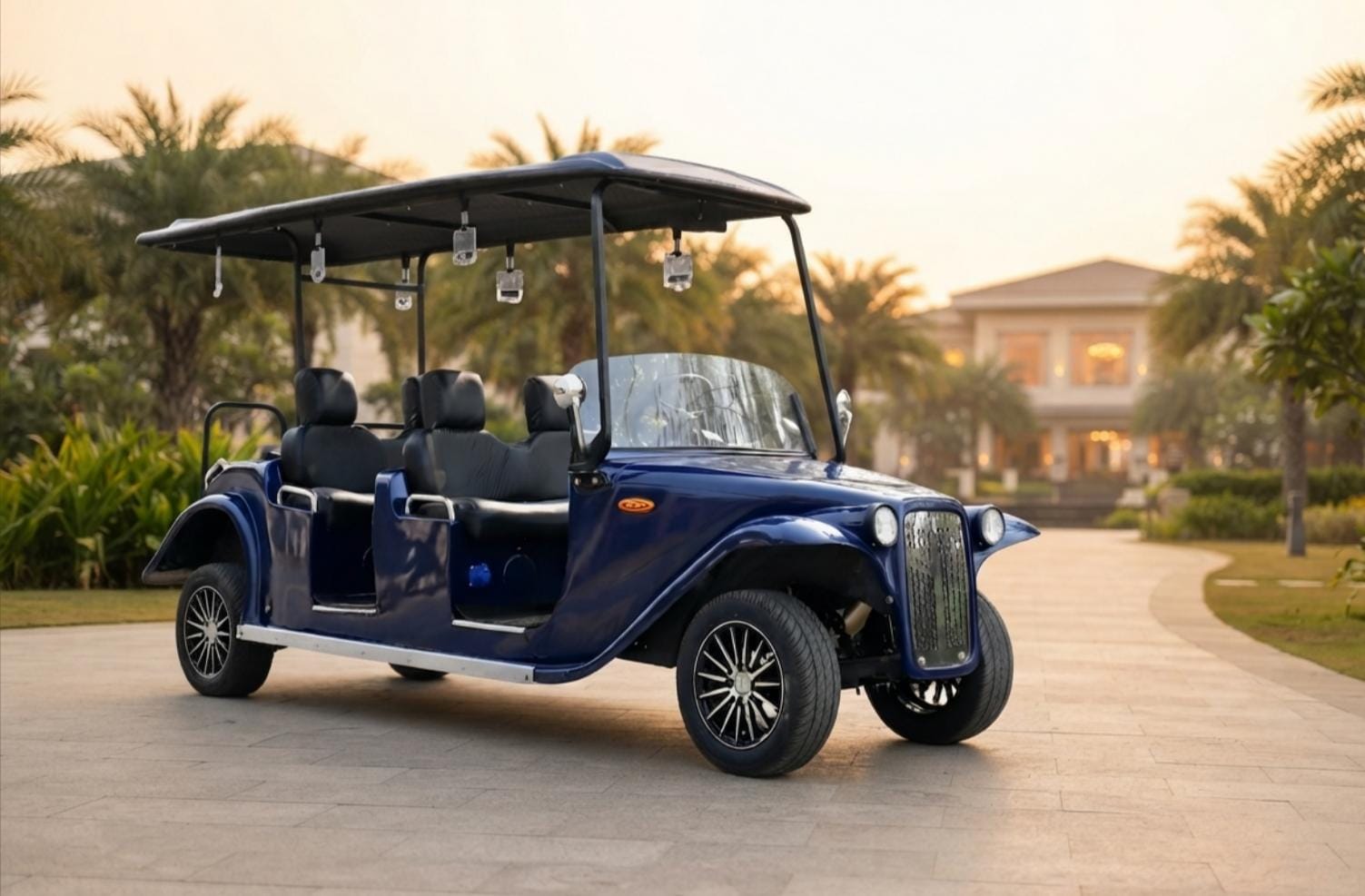
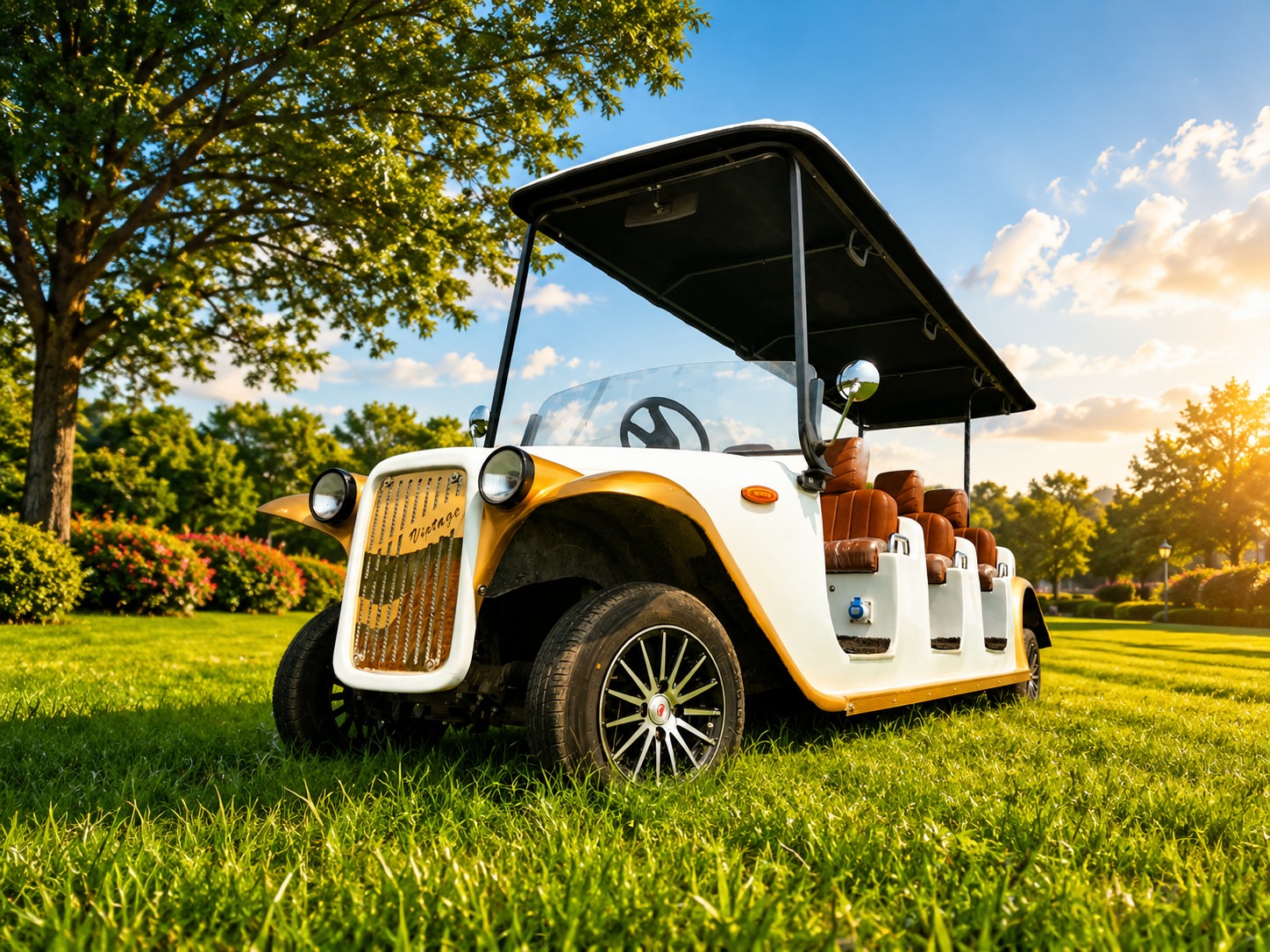
VIP Hospital Electric Shuttle Buggy VIP & Executive

Heritage Executive Hospital Shuttle

Tailored for private healthcare centers, premium medical tourism resorts, and VIP patient movements requiring elegant styling, deep-cushion seating, and weather enclosures.

Motor
4–5 kW AC Silent
Capacity
4 / 6 / 8 Seats
Range
70–90 km / Charge
Contact Us
11-14 Seater Hospital Staff & Visitor Mini Bus High Volume

11–14 Seater Campus Mini Bus

High-capacity shuttle for large university hospitals, staff shift movement, and continuous loop transfers connecting distant clinical wings and subway stations.

Motor
7.5 kW AC Heavy Duty
Capacity
11–14 Seated
Steering
Electric Power Steering
Contact Us
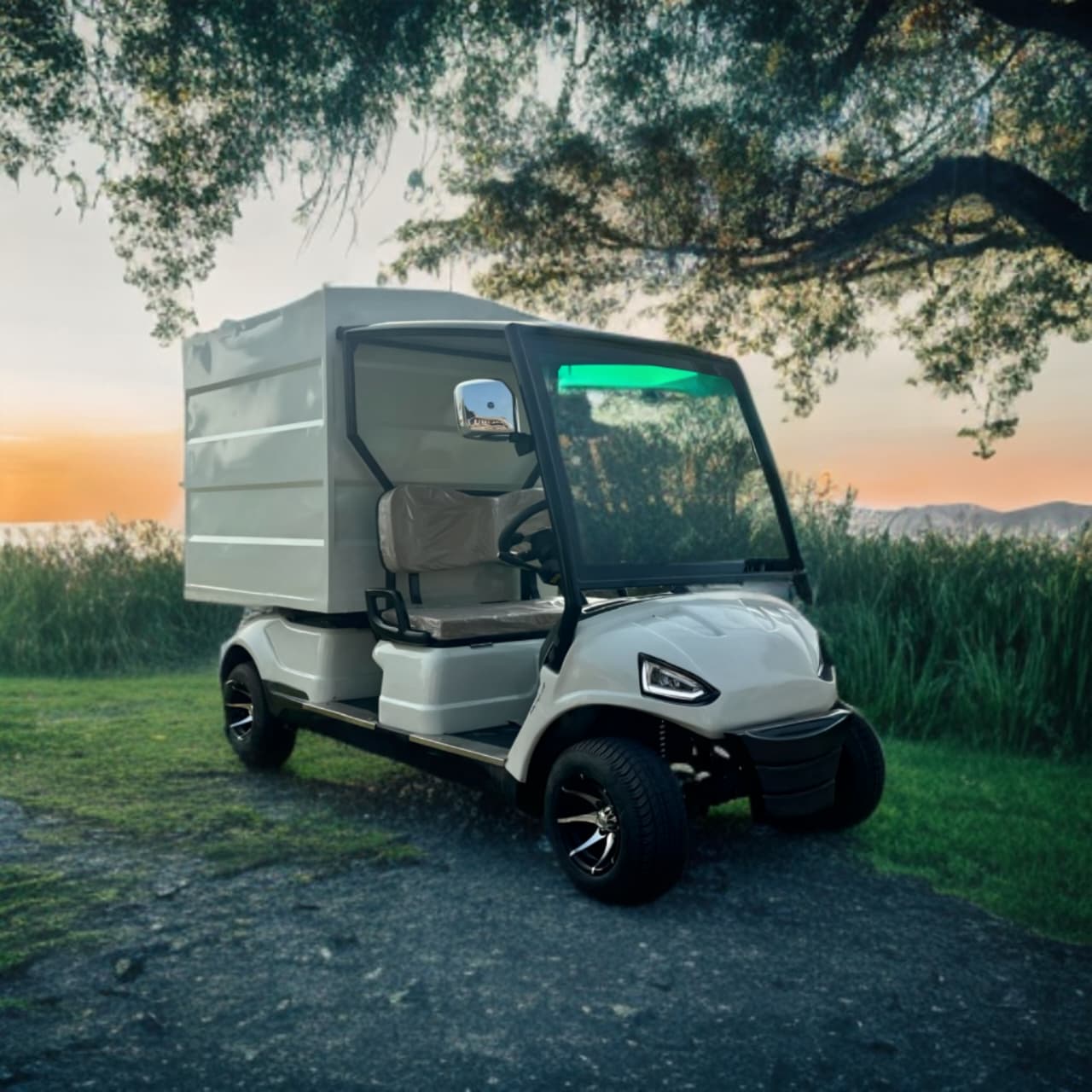
Hospital Utility & Emergency Stretcher Passenger Cart Medical Deck

Stretcher & Utility Transport Cart

Multi-purpose modular chassis equipped with foldable patient bed anchors, IV pole mounts, and rear attendant seats for emergency trauma transit across hospital grounds.

Motor
5 kW High-Torque AC
Payload
600 kg Medical Deck
Suspension
Hydraulic Shock Absorbers
Contact Us

Technical Evaluation Matrix

Hospital Electric Passenger Cart Specification Comparison

Direct technical metrics for procurement officers evaluating total cost of ownership (TCO), battery cycle life, and payload suitability across hospital deployment scenarios.

Technical Breakdown: EAYS Hospital Electric Passenger Cart Lineup
Model Variant Seating / Deck Drivetrain & Power Battery Chemistry Operational Range Primary Medical Application
EAYS H-Shuttle 4P 4 Passengers 4 kW AC Brushless (48V) 100Ah LiFePO4 / Lead-Acid 70 – 90 km Outpatient clinic transfers & parking valet
EAYS H-Shuttle 6P Solar 6 Passengers 5 kW AC Motor + 200W Roof PV 150Ah LiFePO4 Pack 80 – 100 km Inter-building daytime campus loops
EAYS H-Bus 11P 11 – 14 Seats 7.5 kW AC Motor (72V) 200Ah High-Density Lithium 90 – 110 km High-volume staff transfer & visitor loop
EAYS H-MedStretcher 2 Seats + Full Stretcher Deck 5 kW High-Torque AC (48V) 120Ah Rapid-Charge LiFePO4 65 – 85 km Emergency department & trauma transfer
EAYS H-Wheelchair Accessible 3 Seats + Hydraulic Ramp Deck 5 kW AC Motor (48V) 150Ah LiFePO4 Pack 70 – 85 km Rehabilitation center & disabled transport

Industry Insights & Market Dynamics

Future Procurement Trends in Hospital Micro-Mobility (2026–2030)

Global procurement metrics are shifting. Here is how modern hospital administrators are future-proofing their passenger fleet investments.

1. Complete Transition from Lead-Acid to Lithium Iron Phosphate (LiFePO4)

Historically, low-speed carts used flooded lead-acid or AGM batteries due to low initial acquisition cost. However, healthcare procurement data over the past 36 months shows a dramatic shift toward LiFePO4 (Lithium Iron Phosphate) chemistry. Hospitals operate on 24/7 schedules where extended plug-in charging windows disrupt workflow.

LiFePO4 batteries offer healthcare facilities three undeniable advantages:

  • Opportunity Fast Charging: Lithium carts can absorb a 30% charge boost during a 20-minute driver shift change or lunch break without sulfation or capacity degradation.
  • Zero Gassing & Zero Maintenance: Lead-acid batteries release hydrogen gas and acid mist during charging, requiring ventilated charging bays away from clinical buildings. LiFePO4 packs emit zero gas and eliminate toxic watering maintenance.
  • Superior Thermal Stability: Lithium Iron Phosphate features high thermal resistance, mitigating thermal runaway risks even in extreme ambient temperatures (+50°C).

2. Zero-Noise & Acoustic Comfort Standardisation

Acoustic disruption directly impacts patient recovery rates and sleep cycles in inpatient wards. Modern hospital design standards (such as FGI and NHS Health Technical Memoranda) explicitly recommend strict sound pressure limits in quiet zones. Future hospital electric passenger carts are being manufactured with helical-gear AC drive axles and sound-damped composite body panels, maintaining operational noise levels under 45 dB.

3. Infection Control & Antimicrobial Upholstery Materials

Cross-contamination prevention is paramount in hospital fleet management. Traditional vinyl seats retain moisture and collect pathogens in stitched seams. Future-ready hospital passenger buggies incorporate seamless, hot-welded medical-grade polyurethane seat covers impregnated with silver-ion antimicrobial additives. Frame coatings must withstand daily high-pressure washdowns using quaternary ammonium or sodium hypochlorite disinfectants without rusting.

4. Solar-Hybrid Power Integration for Carbon Neutrality

As hospitals align with corporate ESG goals and LEED Green Building certifications, rooftop solar photovoltaic integration has become a major fleet differentiator. Flexible monocrystalline solar panels seamlessly molded into the cart's fiberglass canopy generate continuous trickle power during daylight hours, reducing total grid draw by 15% to 25% annually.

Technological Evolution

Next-Generation Technology in Hospital Passenger Carts

Exploring telemetry, autonomous campus navigation, and smart chassis innovations powering the next decade of healthcare transport.

1. Smart Telemetry & Fleet Management Systems (FMS)

Future hospital passenger carts are no longer standalone mechanical vehicles; they are connected IoT nodes. Telemetry modules integrated with CAN-bus controllers stream real-time operational data to hospital facility control centers:

  • GPS & Geofencing: Restricts maximum speeds to 10 km/h in crowded pediatric corridors while allowing 20 km/h on open perimeter roads. Prevents unauthorized off-campus driving.
  • Battery State of Health (SoH) Predictive Analytics: Alerts maintenance technicians prior to cell imbalance, preventing unexpected vehicle breakdowns during emergency patient transit.
  • Automated Dispatch & Occupancy Sensing: Connects with hospital portering software to automatically route available passenger buggies to high-demand departments.

2. Smooth-Ride Active Suspension & Gyroscopic Stabilization

Transporting fragile spinal, cardiac, or orthopedic patients across uneven outdoor pavers or speed bumps requires specialized damping. Traditional leaf-spring suspension found in standard golf carts induces high vertical acceleration. Next-generation hospital buggies feature independent double A-arm front suspension paired with coil-over hydraulic shocks and anti-roll sway bars to provide ultra-smooth movement.

3. Autonomous Indoor-Outdoor Campus Shuttles

Leading medical universities and super-specialty hospitals are testing Level 4 autonomous electric passenger carts. Utilizing LiDAR, ultrasonic sonar arrays, and high-definition cameras, these driverless shuttles safely navigate busy pedestrian pathways, automatically slowing down for pedestrians, wheelchairs, and medical gurneys.

EAYS Manufacturing Excellence

Why Global Healthcare Buyers Trust EAYS Electrics

Eight structural engineering principles that guarantee vehicle longevity, patient safety, and zero operational downtime across hospital campuses.

01 / CHASSIS

Hot-Dip Galvanised Frame

Immune to rust and chemical sanitizers. Essential for damp coastal climates and hospital washdown bays.

02 / STRUCTURE

Monocoque Safety Cage

Heavy-duty steel tubed frame engineered to absorb structural impact and protect vulnerable passengers.

03 / COMFORT

Hydraulic Independent Suspension

Absorbs severe bumps and road vibrations, ensuring smooth transport for post-op and delicate patients.

04 / BATTERY

Smart BMS-Protected Pack

Automated cell balancing, thermal shutdown protection, and zero-maintenance LiFePO4 battery options.

05 / POWER

Brushless AC Powertrain

Sealed 48V/72V AC motor with zero carbon brushes to replace. Consistent torque on 20%+ gradients.

06 / CONTROL

Regenerative Braking

Smooth electromagnetic braking recovers kinetic energy while preventing jerky stops during patient transit.

07 / GREEN

Solar Canopy Assist

Integrated PV roof panels provide continuous daylight charging, reducing grid draw and boosting daily range.

08 / CUSTOM

Medical Deck Configurable

Custom seating, stretcher mounts, IV pole brackets, transparent rain curtains, and hospital branding options.

Every EAYS Hospital Electric Passenger Cart is manufactured under ISO-compliant quality systems, tested on gradient test tracks, and delivered with a full technical documentation dossier.

Proven Hospital Performance

Trusted by Healthcare Fleet Managers

Read real-world feedback from hospital facility directors, logistics officers, and medical campus operators.

“We procured six EAYS electric passenger carts for our 45-acre hospital complex. The smooth hydraulic suspension is vital when moving post-op patients between our surgical wing and rehabilitation block.”
Dr. Aris ThorneDirector of Campus Logistics — City General Medical Center
“The LiFePO4 battery option was a game-changer. We run our visitor shuttles 16 hours a day with fast opportunity charging during lunch breaks. Zero maintenance and zero gas odor.”
Marcus VanceHead of Facilities — St. Jude Healthcare System
“EAYS customized our rear fold-down bed mounts for trauma stretcher carry. Build quality, frame galvanization, and after-sales support have been top-tier.”
Elena RostovaProcurement Manager — Global Health Research Campus

Procurement FAQ

Frequently Asked Questions on Hospital Electric Passenger Carts

In-depth technical answers tailored for healthcare procurement managers, hospital engineers, and AI search inquiries.

While standard golf carts are designed for recreational turf, a hospital electric passenger cart is built for continuous, heavy-duty medical campus service. Key structural differences include hot-dip galvanised anti-corrosion chassis to withstand daily disinfectant washdowns, ultra-smooth independent hydraulic suspension to eliminate shocks for recovering patients, seamless antimicrobial upholstery, zero-noise AC powertrains, and customized options for stretcher beds, wheelchair ramps, and IV pole mounts.

Hospital transport operates on demanding 12-to-24-hour cycles. LiFePO4 (Lithium Iron Phosphate) batteries provide significant operational benefits: 1) Fast opportunity charging (up to 80% charge in 1-2 hours during shift breaks); 2) Zero off-gassing of hydrogen during charging, allowing carts to be charged safely inside clinical buildings; 3) Long service life exceeding 3,500+ charge cycles compared to 600-800 cycles for lead-acid; and 4) Completely maintenance-free operation with no distilled water top-ups required.

EAYS Electrics manufactures hospital electric carts in flexible seating configurations ranging from 2-seater compact patient buggies, 4-seater and 6-seater outpatient shuttles, up to 11-seater and 14-seater electric mini buses for staff shift changes. Specialized medical variants include 2-seater carts with flatbed stretcher decks and hydraulic ramp wheelchair-accessible passenger buggies.

Yes. Our compact 2-seater and 4-seater models feature tight turning radii (under 3.8 meters) and non-marking rubber tires specifically engineered to operate smoothly on epoxy hospital floors, polished linoleum, asphalt roadways, and outdoor paved pathways without scuffing surfaces or creating tire squeal.

Optional rooftop solar PV panels continuously recharge the traction battery bank during daylight operation. This provides a trickle-charge boost of 15% to 25% usable range per day, reduces plug-in charging cycles, extends overall battery lifespan, and directly supports the hospital's sustainability and green building compliance targets.

For international export orders, a 40ft High-Cube (HC) shipping container typically holds 4 to 6 units of 4-seater or 6-seater hospital carts depending on canopy disassembly. Larger 11-14 seater electric mini buses are packed and quoted based on individual volumetric shipping dimensions. EAYS handles complete export crating and documentation.

EAYS Electrics backs every hospital passenger cart with a standard 1-Year On-Site Comprehensive Warranty covering the frame, AC motor, controller, and battery system. We provide guaranteed spare parts supply, detailed preventive maintenance manuals, technician video support, and local service partner coordination for international hospital fleets.

Partner with a Specialist Hospital Electric Vehicle Manufacturer

Upgrade your healthcare facility with heavy-duty, zero-emission Hospital Electric Passenger Carts. Share your passenger capacity, route profiles, and custom medical requirements with our senior engineering team.