Comprehensive Procurement & Technical Analysis
Next-Generation Industrial Factory Cargo Cart Engineering: Optimizing Intra-Facility Material Handling & Fleet ROI
An authoritative evaluation of electric cargo cart architectures, drivetrain efficiency, battery chemistry dynamics, and total cost of ownership (TCO) for global supply chain directors and plant operations managers.
1. Executive Overview: The Paradigm Shift in Factory Material Handling
Modern industrial complexes—ranging from automotive assembly plants and semiconductor fabrication facilities to chemical processing hubs and heavy machinery warehouses—are undergoing a massive transformation. As global manufacturing standards push toward Industry 4.0, zero-emission sustainability mandates, and aggressive lean production frameworks, internal logistics are under unprecedented scrutiny. The legacy reliance on noisy, high-emission diesel tuggers or inefficient, high-maintenance lead-acid utility vehicles is rapidly coming to an end. In their place, the modern Industrial Factory Cargo Cart has emerged as the indispensable backbone of intra-facility transport.
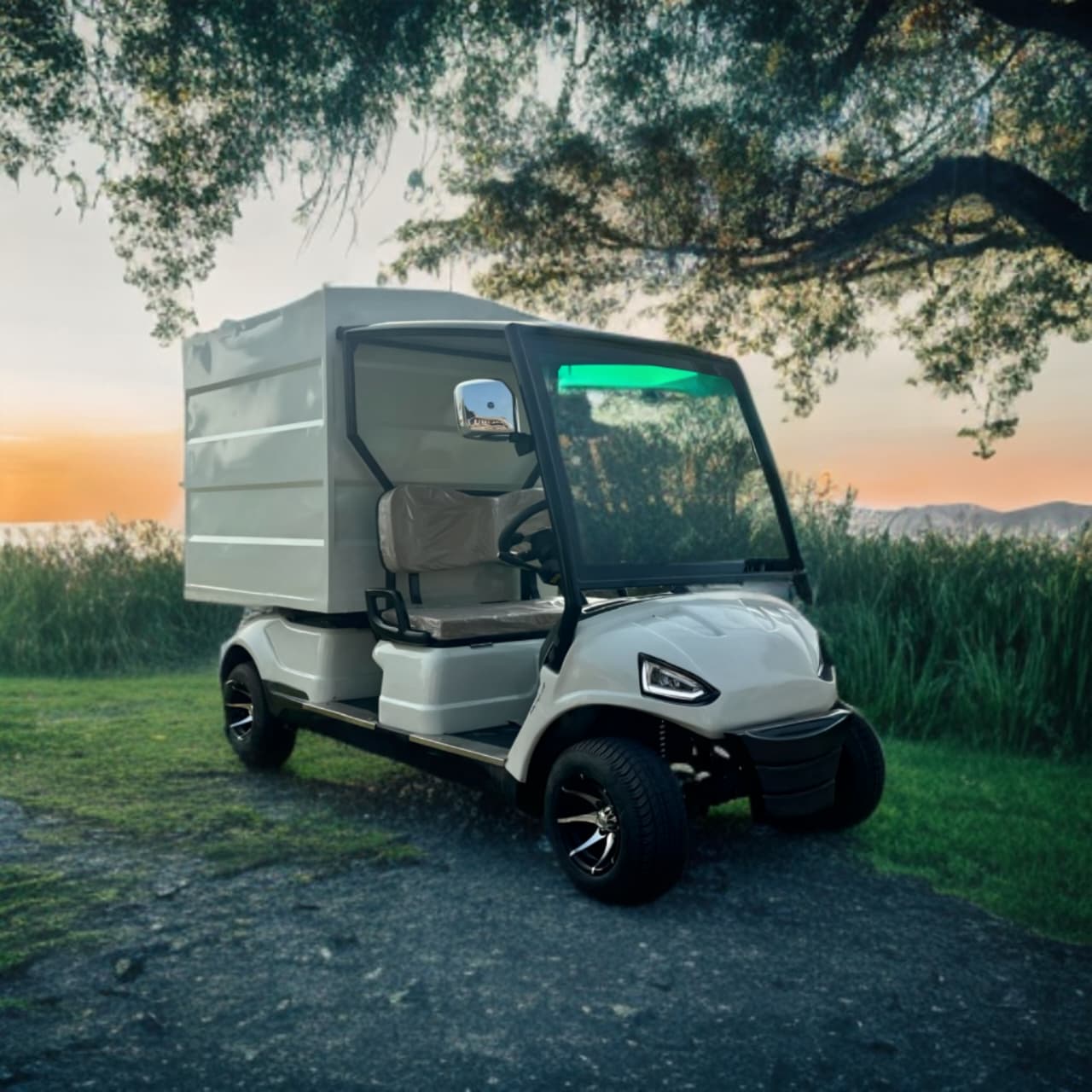
Global procurement teams and plant engineering directors must navigate complex operational variables when selecting material handling carts. A vehicle operating inside a 50-acre manufacturing plant must satisfy stringent performance criteria: high payload structural strength, continuous multi-shift thermal endurance, tight aisle maneuverability, precise gradient holding, and zero toxic exhaust fumes inside enclosed spaces. At EAYS Electrics, our industrial utility engineering team builds heavy-duty electric cargo carts specifically designed to bridge the gap between heavy forklift haulage and high-agility light transport, delivering verified operational uptime and superior ROI over long lifecycle horizons.
Information Gain: Why Conventional Golf Buggies Fail in Heavy Industrial Plants
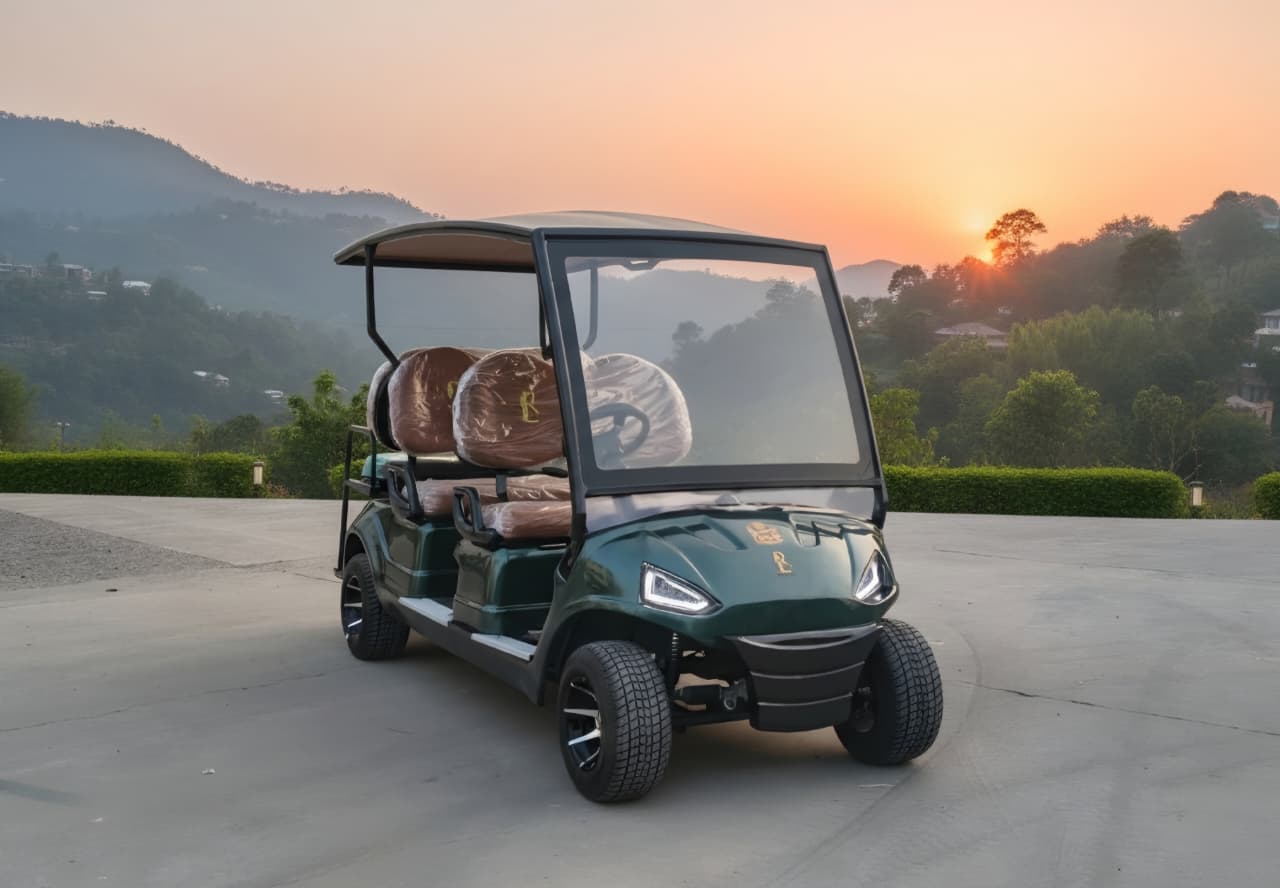
Standard golf carts and light utility buggies are built on thin stamped aluminum or non-galvanised mild steel frames rated only for 200–300 kg light passenger duty on manicured turf. When deployed into industrial factories carrying 1,000 kg steel dies, chemical drums, or heavy machinery components over concrete expansion joints and sharp ramps, conventional buggies suffer frame twisting, motor burnout, rapid bush degradation, and premature brake failure within 6 to 12 months. EAYS Industrial Factory Cargo Carts feature hot-dip galvanised monocoque steel subframes, heavy-duty leaf spring suspensions, dual hydraulic disc braking, and sealed AC induction powertrains rated specifically for continuous 1,500 kg+ payloads.
2. Recommended Industrial Factory Cargo Cart Platforms & Modular Models
To meet the diverse material movement requirements of modern manufacturing plants, EAYS Electrics manufactures four dedicated industrial utility platforms. Each model is engineered with modular chassis architecture, allowing fleet managers to customize deck dimensions, side-rail enclosures, hydraulic tipping mechanisms, and battery voltages prior to manufacturing.
3. Technical Deep-Dive: Engineering Components That Define Industrial Uptime
When procurement decision-makers evaluate an Industrial Factory Cargo Cart, looking beyond superficial body aesthetics to examine structural metallurgy, electrical controller maps, thermal limits, and suspension geometry is critical. Below is a rigorous analysis of EAYS engineering standards developed through real-world deployments across 500+ industrial and commercial sites worldwide.
A. Structural Frame Metallurgy & Corrosion Immunity
In chemical plants, coastal warehouses, fertilizer manufacturing sites, and wet industrial environments, atmospheric corrosion rapidly compromises un-galvanised steel tubing. EAYS industrial cargo cart frames undergo a multi-stage immersion process: mechanical shot-blasting, chemical degreasing, acid pickling, and hot-dip galvanisation in molten zinc at 450°C. This forms a metallurgical iron-zinc alloy layer that provides self-healing galvanic protection against scratches, high salt mist, solvent splashes, and humidity. Coupled with a high-tensile monocoque design, the frame resists torsional flexing under asymmetrical loading conditions (such as off-center heavy machinery blocks).
B. Drivetrain Architecture: High-Torque AC Motors vs. Legacy DC Motors
Legacy factory carts utilized brushed DC motors which required periodic carbon brush replacements, suffered severe thermal degradation during slope climbing, and lacked precise control on downhill ramps. EAYS heavy industrial cargo carts feature 3-phase AC induction or Permanent Magnet Synchronous Motors (PMSM) paired with IP67-sealed programmable controllers (Curtis / Sevcon architecture). Key benefits include:
- Zero Carbon Brush Maintenance: Brushless design eliminates mechanical friction points, eliminating internal dust buildup and reducing routine electrical maintenance by 100%.
- Regenerative Braking & Ramp Hold: When the driver releases the accelerator on a 20% plant slope, the AC controller dynamically reverses electromagnetic torque, holding the vehicle safely in place while capturing kinetic energy to recharge the battery pack.
- Thermal Cutback Protection: Integrated temperature sensors inside the stator windings automatically regulate power output during high-ambient heat cycles (up to 55°C plant ambient temp), preventing coil burnout.
C. Energy Storage Systems: LiFePO4 (LFP) vs. Flooded Lead-Acid Matrix
Battery selection represents up to 35% of the total vehicle capital cost and directly impacts 5-year operational expenditure. The table below provides a engineering energy calculation comparison between deep-cycle lead-acid packs and advanced Lithium Iron Phosphate (LiFePO4) systems engineered by EAYS Electrics:
4. Future Procurement Trends in Industrial & Factory Material Handling (2026–2035)
As industrial automation advances, procurement strategies for plant utility fleets are changing rapidly. Factory logistics directors who anticipate market shifts can build fleets that remain compliant, efficient, and cost-effective for over a decade. Key future trends shaping the industrial factory cargo cart sector include:
Trend 1: Convergence of Human-Operated Cargo Carts and Autonomous AGV Platforms
While fully autonomous Automated Guided Vehicles (AGVs) excel at predictable, fixed-path indoor transport, their high installation costs, complex laser-mapping reliance, and rigidity make them unsuited for dynamic, multi-zone factory yards. The market is shifting toward "hybrid-ready" manual industrial cargo carts. EAYS cargo carts are designed with drive-by-wire steering interfaces and CAN-bus integration, enabling plant managers to operate vehicles manually today while retaining plug-and-play capability for autonomous tugger conversion kits in the future.
Trend 2: Mandates for Zero-Emission Indoor Yard Logistics & Carbon Accounting
Environmental, Social, and Governance (ESG) mandates are compelling global automotive, pharmaceutical, and consumer goods OEMs to eliminate internal combustion engines inside logistics compounds. Electric cargo carts charged via solar-hybrid arrays or plant renewable microgrids provide verifiable Scope 1 and Scope 2 emission reductions, aiding compliance with ISO 14001 environmental management certifications.
Trend 3: Smart Telematics, Fleet Geofencing, and Predictive Health Monitoring
Modern factory cargo carts are no longer isolated mechanical assets. EAYS industrial fleets feature optional IoT telematics hubs that broadcast real-time data to plant dashboards: state of charge (SoC), cell voltage variance, motor thermal signatures, driver impact detection, and geofenced speed limit zones (e.g., automatically restricting speed to 8 km/h inside high-pedestrian assembly lines).
Strategic Procurement Tip: Container Packaging & Shipping Optimization
Global procurement teams often overlook international freight logistics when ordering cargo cart fleets. EAYS Electrics designs chassis footprints and removable canopy structures specifically to optimize container loading factors. A single 40ft High-Cube container accommodates up to 6 custom industrial flatbed cargo carts with knock-down windshields and side rails, significantly lowering per-unit ocean freight charges from our manufacturing hub in Bhiwani, India to ports across North America, Europe, the Middle East, and Southeast Asia.
5. EAYS Enterprise Manufacturing Capabilities & E-E-A-T Authority
EAYS Electrics (Kanha Cart) stands as a premier specialized OEM/ODM manufacturer of low-speed electric utility vehicles, shuttles, and heavy-duty industrial cargo carts. Operating from our state-of-the-art manufacturing campus in Bhiwani, Haryana, India, our engineering team brings decades of deep automotive design, structural mechanics, and battery management system expertise to every build.
- Custom Engineering CAD Validation: Prior to steel cutting, our design team produces full 3D assembly CAD models and Finite Element Analysis (FEA) stress simulations to verify deck load distribution and chassis yield strength under maximum rated capacity.
- Rigorous Quality Control Testing: Every vehicle undergoes a 50-point factory acceptance test (FAT), including 25% gradient hill-stop-and-start tests, dynamic water-spray IP waterproofing checks, full-payload brake distance verification, and 24-hour electrical harness burn-in.
- Uncompromising Global Support: Backed by a standard 1-Year On-Site Warranty and a guaranteed supply of original replacement parts (brake pads, suspension bushes, contactors, BMS cards), EAYS ensures your industrial plant operates with absolute zero unplanned downtime.