Belgium-Compliant Airport Passenger & Utility Mobility Fleet
Engineered for high-duty cycle passenger transfer, VIP concourse shuttle, PRM transport, and airside logistics across Belgian aviation hubs.
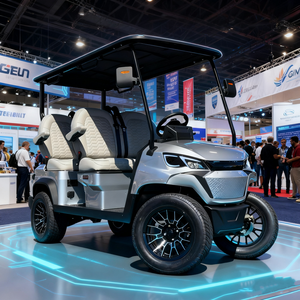
72V EEC Certified Electric Golf Buggy with 5KW/7.5KW Motor
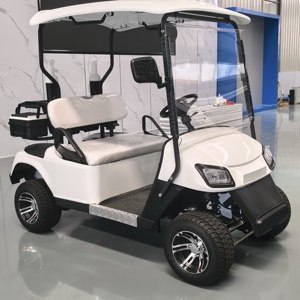
New Electric Heavy-Duty Golf Cart Buggy 3-4 Seats Steel 60V 5KW
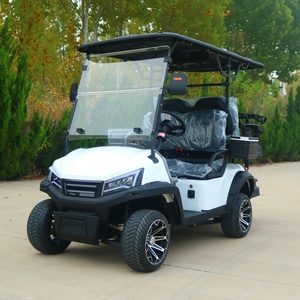
Street Legal 4WD Electric Concourse Shuttle 60/72V Lithium 6-Seater
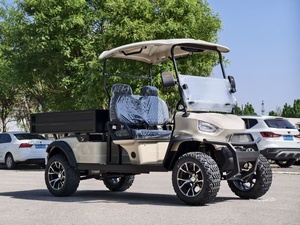
New Arrival 2 Seater Electric Golf Buggy Lifted Utility Platform
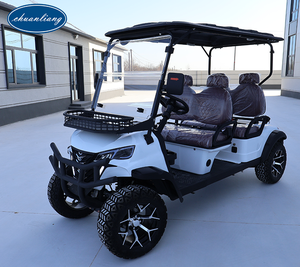
Professional Customized 4 Seater Electric Concourse & VIP Buggy
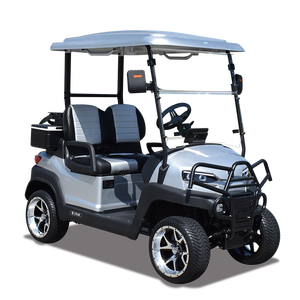
4 Wheel Electric Passenger Cart 2 Seat Lithium with Integrated PA
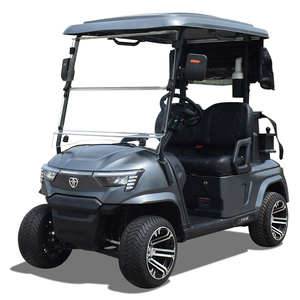
Customizable 2-Seater Electric Utility Cart with Rear Cargo Box
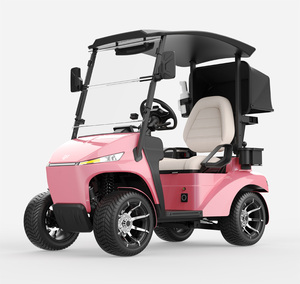
Professional Single-Seat Quick-Charge Electric Rapid Responder
1. Executive Summary & Belgian Airport Mobility Ecosystem
As Western Europe’s pivotal diplomatic and logistical node, Belgium represents one of the most stringent and highly regulated operational environments for aviation ground support equipment (GSE) and passenger transport mobility. Major hubs—including Brussels Airport (BRU / EBBR), Brussels South Charleroi Airport (CRL / EBCI), Liège Airport (LGG / EBLG), Ostend-Bruges International Airport (OST / EBOS), and Antwerp International Airport (ANR / EBAW)—are aggressively scaling zero-emission ground operations to align with the European Union’s Fit for 55 climate mandate and the European Green Deal objectives.
Airport passenger transport carts are no longer categorized as standard golf buggies; they have evolved into critical, heavy-duty intra-terminal infrastructure. Belgian airport operators, ground handling service providers (such as Aviapartner, Swissport, and Menzies), and airline VIP lounge operators require high-density, reliable, and ergonomically optimized electric passenger transport carts. These vehicles must meet rigorous safety criteria under EC Regulation No 1107/2006 (concerning the rights of disabled persons and persons with reduced mobility - PRM), while enduring rigorous 18 to 24-hour continuous shift patterns across indoor polished granite concourses and damp outdoor tarmac aprons subject to North Sea maritime climate conditions.
This technical white paper serves as an authoritative procurement guide for Belgian aviation asset managers, procurement teams, and airport facility directors seeking to evaluate OEM manufacturers and factory suppliers capable of supplying custom, compliant, and highly durable electric passenger cart fleets.
Key Localized Operational Scenarios in Belgian Aviation Facilities
Differentiating indoor terminal concourse mobility from outdoor airside tarmac operations.
PRM Passenger Assistance & Boarding Support
Under European law, Belgian airports must guarantee seamless transfer for Passengers with Reduced Mobility (PRM). Specialized 4 to 8-seater electric carts equipped with low-step ingress, fold-down wheelchair ramps, lateral safety grab handles, and smooth-acceleration AC motor controllers enable non-disruptive transit through Pier A and Pier B at Brussels Airport.
VIP & Diplomatic Fast-Track Concourse Shuttles
Given Brussels' status as the seat of the European Commission, NATO Headquarters, and international diplomatic missions, terminal operators require premium, luxury-finished 4-seater and 6-seater VIP shuttle carts. Featuring custom leatherette upholstery, whisper-quiet magnetic braking systems, integrated PA announcement systems, and elegant body styling.
Airside Gate-to-Tarmac Passenger Transfer
At high-density low-cost hubs like Charleroi Airport (CRL), outdoor apron passenger transport requires weather-tight vehicle builds. Carts operating on the tarmac demand heavy-duty hot-dip galvanized steel chassis, enclosure curtains, IP67-rated waterproof electric harness connectors, heavy-duty wiper systems, and high-wattage heating modules for Belgian winter months.
2. Structural Engineering & OEM Manufacturing Standards for EU Airports
Evaluating an electric passenger transport cart manufacturer requires deep technical scrutiny of vehicle powertrain design, chassis metallurgy, battery chemistry, and structural safety certifications. Substandard commercial buggies built on untreated tubular steel frames fail rapidly under the harsh moisture, constant ramp vibration, and chemical de-icing agents prevalent in Belgian airport aprons.
A. Galvanized Anti-Corrosion Chassis Construction
Belgian coastal proximity and seasonal freezing temperatures necessitate heavy de-icing chemical applications across tarmac surfaces. Leading OEM factories utilize robotically welded high-strength carbon steel structural chassis undergoing full hot-dip galvanization (HDG) or automotive-grade multi-stage cathodic electrocoating (E-coat). This process provides a minimum salt-spray resistance exceeding 1,200 hours under ASTM B117 testing, effectively guaranteeing frame integrity for over 10 to 15 years of continuous service.
B. AC Brushless Powertrain vs. Legacy DC Systems
Modern airport operations demand 48V or 72V maintenance-free AC induction or Permanent Magnet Synchronous Motors (PMSM) paired with intelligent programmable controllers (e.g., Curtis or Toyota AC Controllers). Key benefits include:
- Regenerative Braking Efficiency: Recovers up to 15-20% of kinetic energy during deceleration down concourse ramps or terminal slopes, significantly extending operational shift range.
- Zero Maintenance: Eliminates carbon brush replacement, commutator turning, and thermal overheating common in older DC motor architectures.
- Precision Torque Control: Smooth, jerk-free starting curves engineered specifically to prevent passenger discomfort or instability for elderly and PRM passengers.
C. LiFePO4 (Lithium Iron Phosphate) vs. Lead-Acid Battery Chemistry
While traditional flooded lead-acid batteries present lower initial capital expenditure, Belgian airport operators are transitioning exclusively to LiFePO4 (Lithium Iron Phosphate) battery systems due to Total Cost of Ownership (TCO) superiorities and strict indoor environmental safety:
- Zero Off-Gassing & Thermal Stability: LiFePO4 chemistry produces no hydrogen gas during charging, allowing safe charging inside enclosed terminal maintenance bays under EU indoor air safety standards.
- Opportunity Charging Capabilities: Accepts high-current fast charging (0.5C to 1C rates), enabling full battery replenishment during 30-minute crew shift changes or meal breaks.
- Extended Cycle Life: Provides 3,500+ deep discharge cycles (80% DOD) compared to 600-800 cycles of premium AGM or lead-acid packs, reducing lifetime battery replacement costs by 65%.
3. Technical Specification & Fleet Selection Matrix
Engineered platform benchmarks for Belgian airport procurement evaluation.
| Platform Specification | 2-3 Seater Staff/PRM | 4-6 Seater Concourse | 8-11 Seater Shuttle | Utility Cargo Hybrid |
|---|---|---|---|---|
| Primary Target Application | Rapid Staff / Express PRM | Concourse & Lounge VIP | Inter-Terminal Transfer | Baggage & Tech Maintenance |
| Motor Rating (AC) | 4.0 kW Nominal / 6.3 kW Peak | 5.0 kW Nominal / 9.0 kW Peak | 7.5 kW Nominal / 12.0 kW Peak | 5.0 kW Nominal / 9.0 kW Peak |
| System Voltage | 48V / 60V | 60V / 72V | 72V / 96V | 48V / 60V |
| Battery Options | 100Ah LiFePO4 / Lead-Acid | 160Ah - 200Ah LiFePO4 | 200Ah - 300Ah LiFePO4 | 150Ah - 200Ah LiFePO4 |
| Usable Range (Full Load) | 70 - 90 km | 80 - 100 km | 90 - 110 km | 75 - 95 km |
| Max Gradeability | 20% Angle | 20% Angle | 18% Angle | 25% Angle (Loaded) |
| Braking System | Rear Hydraulic + Elec. Park | 4-Wheel Hydraulic Disc | 4-Wheel Dual-Circuit Hydraulic | Heavy Duty Hydraulic Drum/Disc |
| Turning Radius | 2.9 meters | 3.6 meters | 4.8 meters | 3.2 meters |
| EU Compliance Standard | CE / EN 17066 / EEC | CE / EN 17066 / EEC | CE / EN 17066 / EEC | CE / ISO 21876 / EEC |
4. Strategic Trends Shaping Airport Mobility Procurement in Belgium (2025–2030)
1. Automated & Telematics-Connected Fleet Management
Belgian airport authorities are increasingly mandating integrated telematics on ground transport fleets. Modern OEM production lines embed CAN-bus IoT hardware module architectures supporting GPS tracking, geofencing (limiting maximum indoor concourse speed automatically to 8-12 km/h), real-time battery State of Health (SOH) monitoring, and automated driver identification via airport RFID badges.
2. Strict Concourse Acoustic and Non-Marking Tire Directives
To preserve passenger comfort within terminal boarding areas, noise emissions must not exceed 55 dB(A) during operation. Furthermore, airport facility management mandates high-durometer, non-marking solid or pneumatic rubber tires to prevent unsightly black scuff marks on polished terrazzo, marble, and resin terminal flooring.
3. Universal Charging Standard Integration (EU Plugs)
Suppliers serving the Belgian market must deliver charging systems equipped with standard European Type 2 (IEC 62196) connectors or standard CEE 7/7 Schuko power inputs, configured for 230V/400V 50Hz grid specifications, with active Power Factor Correction (PFC) chargers built into the onboard chassis.
Why Global Airport Operators Partner with Our Manufacturing Facilities
Direct factory engineering, standardized OEM customization, and comprehensive international support.
15-year structural corrosion warranty on all hot-dip galvanized chassis frames, engineered to withstand aggressive winter de-icing chemicals and high-humidity maritime environments.
Flexible manufacturing lines allowing tailor-made seating configurations, medical stretcher integration, wheelchair storage brackets, and specialized baggage rack extensions.
Eliminating intermediary markups by dealing directly with specialized electric vehicle manufacturing plants, ensuring maximum cost efficiency, rapid spare parts sourcing, and dedicated factory engineering support.
Every vehicle shipped to the Belgian market carries comprehensive CE declarations, EMC (Electromagnetic Compatibility) compliance certificates, and optional EEC road-homologation packages.
Frequently Asked Questions by Belgian Airport Procurement Officers
Addressing key technical, compliance, and logistical considerations for importing and deploying carts in Belgium.
Transform Your Airport Mobility Fleet Today
Speak directly with our senior EV engineers to request comprehensive technical CAD spec sheets, customized pricing schedules, or container shipping estimations for the Belgian market.
Get Catalog