Featured Electric Turf Carts & Heavy-Duty Buggies
High-torque AC drivetrains, galvanised anti-corrosion chassis, and ultra-durable LiFePO4 battery systems tailored for severe turf management and local Japanese enterprise operations.
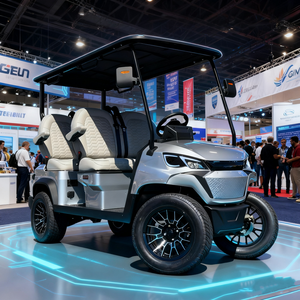
72V EEC Certified Electric Golf Buggy with 5KW 7.5KW Motor
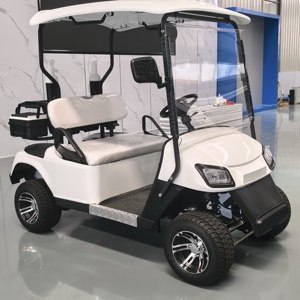
New Electric Off-Road Golf Cart Buggy 3-4 Seats 60V 5KW CE
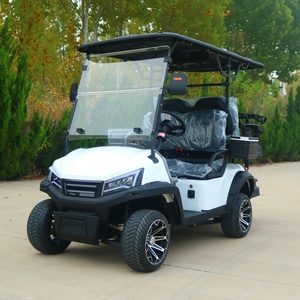
Street Legal 4WD Electric Golf Cart 60/72V Lithium 6-Seater
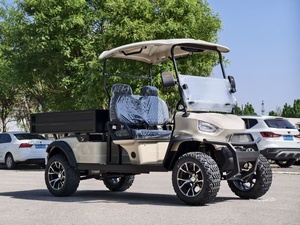
New Arrival 2 Seater Off-Road Sporty Lifted Golf Cart
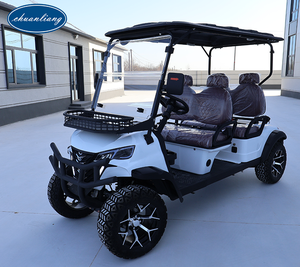
Customized 4 Seater Electric Golf Buggy with Lithium Battery
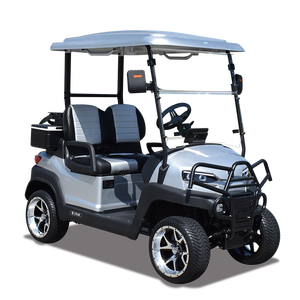
4 Wheel Electric Golf Cart 2 Seat Lithium Buggy with Speakers
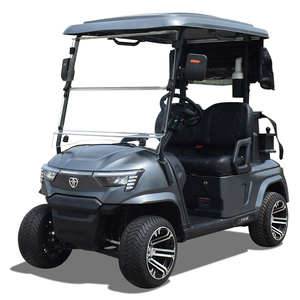
Customizable 2-Seater Electric Utility Golf Cart Deck
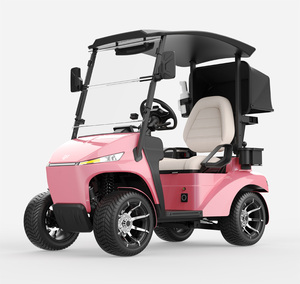
Single-Seat Quick-Charge Electric Golf Cart CE Certified
Navigating Commercial Turf Cart Sourcing for Nagoya & Aichi Enterprises
An engineering whitepaper examining why leading Japanese facility operations, golf courses, and industrial plants are transitioning to China's premier specialized utility electric cart manufacturers.
The Greater Nagoya Metropolitan Area, representing the industrial heartland of Aichi Prefecture, stands at the intersection of advanced manufacturing precision, luxury leisure tourism, and stringent municipal zero-emission mandates. With over 70 premier golf courses across Aichi and neighboring Mie and Gifu prefectures—alongside sprawling industrial campuses around Toyota City and Port of Nagoya—the operational demand for reliable, high-torque, low-ground-pressure turf carts and utility electric buggies has reached an unprecedented high.
Traditionally, facility directors in Nagoya relied on internal combustion or legacy DC-driven carts. However, rising fuel costs, aggressive carbon neutrality objectives under Japan’s 2050 Green Growth Strategy, and strict noise pollution regulations near residential and conservation zones have created a decisive shift toward high-efficiency AC-powered and LiFePO4-driven commercial electric turf carts manufactured by premier Chinese automotive-grade factories.
By replacing legacy 48V lead-acid gas or brushed DC turf carts with high-efficiency 72V Brushless AC LiFePO4 turf buggies from top Chinese OEM manufacturers, commercial facilities in Nagoya report an average 38% reduction in total cost of ownership (TCO) over 5 years, alongside a 60% reduction in turf maintenance downtime caused by hydraulic leaks and heavy frame soil compaction.
Comparative Analysis: Premium China Manufacturing vs. Legacy Turf Vehicles
When sourcing commercial utility carts for Nagoya's terrain—ranging from flat industrial paved pathways in Minato Ward to steep undulating greens in the hilly areas of Seto and Toyota—fleet managers must evaluate critical mechanical variables. Below is a engineering specification comparison sheet compiled by our technical team:
| Performance Indicator | China Premier OEM Turf Cart | Legacy Gas Turf Buggies | Standard Import DC Carts |
|---|---|---|---|
| Drivetrain Technology | 5kW - 7.5kW Sealed AC Brushless | 250cc - 400cc Petrol Engine | 3.7kW Brushed DC Motor |
| Chassis Corrosion Resistance | Hot-Dip Galvanised Steel (10-Yr Warranty) | Painted Tubular Steel (Rust Prone) | Standard Powder Coated Frame |
| Turf PSI Ground Pressure | Ultra-Low 12-14 PSI Wide Turf Tires | 16-20 PSI (Heavy Engine Displacement) | 15-18 PSI Standard Tires |
| Battery Chemistry & Cycle Life | LiFePO4 Lithium (3,500+ Cycles) | N/A (Fossil Fuel Dependent) | Lead-Acid Deep Cycle (500-700 Cycles) |
| Gradient Hill Climbing | 25% - 30% Incline Capability | 18% - 22% Incline Limit | 15% Incline (Torque Drop under Load) |
| Charging Efficiency | Quick-Charge 2-3 Hours (100V-240V JP Compatible) | N/A (Refueling Noise/Smell) | 8-10 Hours Slow Trickle Charge |
Localized Deployment Scenarios Across Greater Nagoya
How specialized turf carts and electric utility vehicles address specific geographical, industrial, and commercial demands in Aichi Prefecture.
Championship Golf Clubs & Country Parks
Venues like Nagoya Golf Club Wago Course and Aichi Country Club demand non-marking, wide-footprint pneumatic tires that prevent turf shear on fragile creeping bentgrass greens. Our 72V AC buggies deliver silent operation for uninterrupted tournament play.
Turf Protection System • Zero Fluid Leak GuaranteeToyota City Industrial & Automotive Logistics Hubs
For back-of-house factory transport, assembly plant spare-part delivery, and maintenance teams within Nagoya's massive manufacturing hubs, heavy-duty utility carts featuring aluminum drop-side cargo decks provide seamless material movement across indoor-outdoor zones.
Payload Up to 1,000kg • High DurabilityMunicipal Parks, Shirotori Garden & Public Spaces
Nagoya Municipal authority parks, botanical gardens, and historical venues like Atsuta Shrine surrounds require low-speed, quiet guest transport. Solar-hybrid charging roofs extend continuous operational hours during daytime public shuttle services.
Solar Panel Integration • Public Safety ComplianceOnsen Hot Springs & Luxury Coastal Resorts
Thermal resort complexes across Minamichita and Gamagori face harsh salty ocean breezes. Our hot-dip galvanised steel chassis undergone 1,000-hour ASTM B117 salt spray testing prevents rust degradation, guaranteeing an extended service life.
Hot-Dip Galvanised • Coastal Weather ProofingSix Core Engineering Modules Driving OEM Market Leadership
Our Chinese manufacturing facility utilizes automotive-grade assembly lines, robotic welding, and rigid quality inspection protocols tailored for international exports.
Galvanised Monocoque Chassis
Constructed from high-tensile structural steel, hot-dip galvanised inside and out to eliminate corrosion risks in humid Japanese sub-tropical microclimates.
High-Efficiency AC Drivetrain
Equipped with 5kW or 7.5kW brushless AC motors paired with Curtis or Toyota controllers, delivering instant hill-climbing torque with zero carbon emissions.
LiFePO4 Smart Battery System
Integrated Lithium Iron Phosphate battery modules with dynamic CAN-bus BMS for real-time thermal monitoring, cell balancing, and rapid charging capabilities.
Ergonomic Japanese Standards
Designed with comfortable entry height, intuitive steering column angles, and clear digital dashboards to accommodate aging workforce ergonomics in Japan.
Regenerative Smart Braking
Automatic hill hold and downhill speed deceleration harvest braking kinetic energy directly back into the battery pack, extending single-charge range by up to 18%.
Modular Cargo & Deck Options
Fully customizable rear configurations: hydraulic dump beds, enclosed utility boxes, passenger flip-flop seats, and custom corporate branding wraps.
Localized Market Trends Reshaping Utility Mobility in Nagoya
Understanding macro-economic trends, carbon policy directives, and procurement strategies across Japanese industrial sectors.
As the Chubu region ramps up efforts toward the 2030 Aichi Decarbonization Roadmap, commercial turf management and facility logistics are undergoing three massive structural shifts:
1. Accelerating Retirement of Gas-Powered Turf Vehicles
Local municipalities and private golf course owners in Nagoya are actively phasing out 2-stroke and 4-stroke petrol utility carts. The driver is twofold: meeting corporate ESG scoring requirements demanded by institutional investors and eliminating noise pollution during early morning fairway preparation in suburban districts.
2. Direct Import Procurement from China's Top OEM Manufacturers
To reduce middleman markups, Nagoya procurement officers are increasingly establishing direct relationships with top-tier Chinese manufacturers. Bypassing regional trading markups enables Japanese buyers to access bespoke vehicle configurations—such as custom 72V LiFePO4 packs, heated seats for cold Aichi winters, and rain enclosures—at a fraction of domestic distributor pricing.
3. Transition to Maintenance-Free LiFePO4 Lithium Power
With Japan facing labor shortages across groundskeeping and maintenance trades, reducing daily vehicle servicing is vital. Lead-acid battery maintenance—distilled water topping, terminal corrosion cleaning, and battery equalizer charging—is being replaced by plug-and-forget LiFePO4 chemistry with integrated remote diagnostic capability.
Frequently Asked Questions by Nagoya Procurement Teams
Clear, direct technical answers covering voltage compatibility, shipping logistics to Port of Nagoya, customs documentation, and long-term warranty support.
Upgrade Your Nagoya Fleet with China’s Leading Turf Cart Manufacturer
Connect directly with our senior EV application engineers. Receive custom technical drawings, factory-direct OEM pricing, and container delivery schedules tailored to your site requirements.
Get a Quote