Featured Commercial Electric Carts & Shuttles
Direct OEM/ODM Factory Exports Customized for Seattle’s Steep Inclines, Marine Humidity & High-Duty Operational Requirements
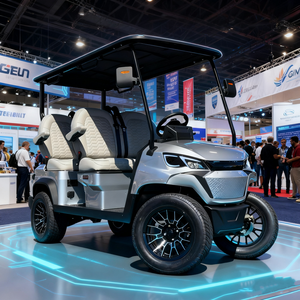
72V EEC Certified High-Power Heavy-Duty Electric Golf Buggy
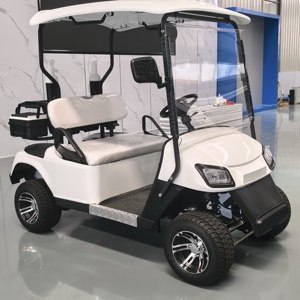
New Electric Off-Road Buggy 3-4 Seats 60V 5KW CE Certified
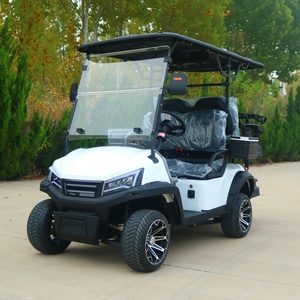
Street Legal 4WD 6-Seater Sightseeing Cart Lithium 60/72V
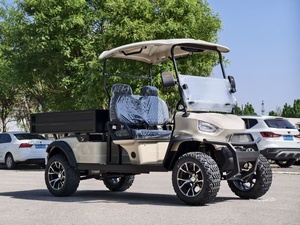
Sporty Lifted 2-Seater Electric Utility Buggy for Farm & Beach
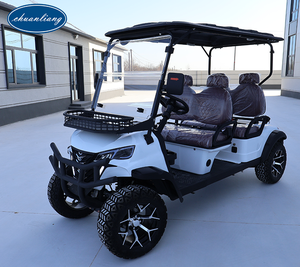
Customized 4-Seater Lithium Resort & Campus Buggy
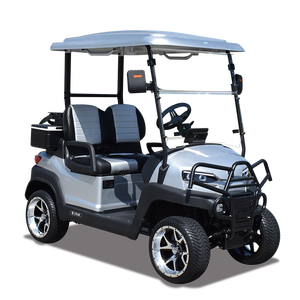
2-Seat Lithium Golf Buggy with Integrated Audio & LED Package
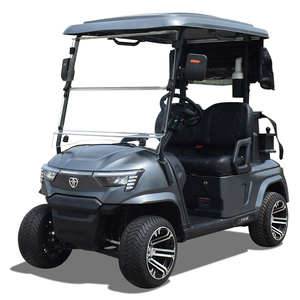
Customizable 2-Seater Heavy-Duty Commercial Cargo Utility Cart
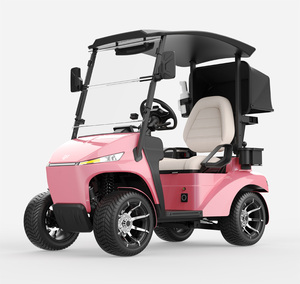
Single-Seat Ultra-Compact Quick-Charge Electric Vehicle
1. The Commercial Fleet Electrification Landscape in Seattle & The Pacific Northwest
The Greater Seattle metropolitan area—spanning King, Pierce, and Snohomish counties—has emerged as one of North America's most demanding environments for commercial low-speed electric vehicles (LSVs) and enterprise golf cart fleets. Driven by Washington State’s aggressive clean energy mandates, maritime sustainability policies at the Port of Seattle, and corporate net-zero commitments across tech giants in South Lake Union and Redmond, enterprise buyers are rapidly replacing legacy gas-powered utility carts with high-efficiency 60V and 72V electric vehicle architectures.
However, procuring commercial utility buggies and passenger shuttles for the Pacific Northwest (PNW) presents distinct engineering challenges that standardized consumer golf carts cannot meet. Seattle’s famous topography—characterized by sustained 15% to 22% inclines in areas like Queen Anne, Capitol Hill, and surrounding coastal bluffs—requires industrial AC brushless motors with sophisticated vector control drive units. Furthermore, the region’s marine climate, marked by annual precipitation exceeding 38 inches, high ambient humidity, and Puget Sound salt mist exposure, demands automotive-grade rustproofing, sealed IP67 electrical components, and heavy-duty thermal battery management.
Technical Insight for Seattle Buyers: Traditional 48V DC golf carts experience severe voltage drop and motor overheating on Seattle’s sustained 18% hill grades. EAYS Electrics exports 60V and 72V AC-driven platforms equipped with Curtis high-performance controllers, yielding 35% higher continuous torque output while maintaining operational efficiency under full passenger capacity.
2. Seattle Local Application Scenarios & Specialized Engineering Integration
Port of Seattle & Maritime Logistics
Heavy cargo transfer, marine dock maintenance, and container terminal inspection requiring hot-dip galvanised steel chassis to resist Puget Sound salt fog corrosion.
Corporate & Tech Campuses
Zero-emission passenger transport across expansive tech headquarters in Bellevue, Redmond, and South Lake Union with whisper-quiet 5kW–7.5kW AC drives.
San Juan Islands & Coastal Resorts
Off-road 4WD buggies engineered for steep island terrain, eco-resorts, and hospitality venues needing extended LiFePO4 battery range and weather enclosures.
Chambers Bay & Municipal Golf Courses
Turf-friendly weight distribution combined with high gradeability to haul golfers and equipment up dramatic PNW fairway elevation changes smoothly.
Industrial Warehouses & Distribution
Enclosed cargo utility carts configured with hydraulic tipping beds, lockable tool boxes, and 1,000kg payload ratings for 24/7 manufacturing operations.
Municipal Parks & Public Safety
Compact single-seat and 2-seat patrol vehicles fitted with strobe lights, public address speakers, and all-weather poly-carbonate enclosures.
3. Pacific Northwest Fleet Development Trends & Technical Requirements
Commercial cart buyers serving the Seattle marketplace must account for several evolving technological shifts when finalizing OEM specifications:
A. Migration to High-Voltage LiFePO4 Battery Architectures
While lead-acid batteries remain viable for low-duty, flat-terrain operations, enterprise fleets across King County are standardizing on Lithium Iron Phosphate (LiFePO4) energy systems. LiFePO4 cells maintain constant voltage throughout the discharge cycle, eliminating the speed degradation common in lead-acid carts when climbing steep grades. Furthermore, lithium chemistry offers 3,500+ charge cycles, zero watering maintenance, and integrated cell-heating mats designed to operate efficiently during Seattle’s cold winter months (35°F to 45°F).
B. Automotive-Grade Anti-Corrosion Chassis Treatment
Given Seattle’s coastal proximity and frequent winter road-salting in surrounding mountain passes, frame longevity is a primary purchasing metric. EAYS Electrics utilizes a dual-stage chassis finishing process: structural tubular steel is subjected to full hot-dip galvanization followed by an electro-coated (E-coat) anti-corrosion primer and UV-resistant powder coat finish, extending frame lifespan beyond 15 years in marine environments.
C. Four-Wheel Hydraulic Disc Braking & Electromagnetic Regenerative Braking
Descending steep wet hills with 6 to 11 passengers requires superior stopping power. Conventional rear-mechanical drum brakes found on standard golf carts present serious safety hazards under heavy load. Our commercial Seattle-spec buggies incorporate 4-wheel hydraulic disc brakes augmented by automatic electromagnetic parking brakes and programmable regenerative AC braking, which recharges the battery while controlling downhill speed safely.
4. Enterprise Sizing & Technical Specification Matrix
Use the following technical reference table to match vehicle platforms with your facility's operational requirements:
| Platform Category | Voltage & Motor | Battery Type | Gradeability | Payload Capacity | Primary Seattle Application |
|---|---|---|---|---|---|
| 72V High-Power Buggy | 72V 7.5kW AC Brushless | 105Ah–210Ah LiFePO4 | ≤ 30% Grade | 600 kg (1,320 lbs) | Steep Hill Resort Shuttles & Urban Transit |
| Off-Road 4WD Cart | 60V/72V Dual Motor 5kW+5kW | 150Ah LiFePO4 / Lead-Acid | ≤ 35% Grade | 500 kg (1,100 lbs) | Island Trails, Construction & Farm Operations |
| 6-8 Seater Passenger Shuttle | 60V 5kW AC High Torque | 105Ah LiFePO4 / AGM | ≤ 25% Grade | 800 kg (1,760 lbs) | Tech Campus Shuttles & Airport Terminals |
| Commercial Utility Deck Cart | 60V 5kW Heavy Duty AC | 105Ah–160Ah LiFePO4 | ≤ 25% Grade | 1,000 kg (2,200 lbs) | Port Cargo, Tool Hauling & Facility MRO |
| Single / 2-Seat Compact | 48V/60V 4kW AC Drive | 100Ah Lithium / Gel | ≤ 20% Grade | 350 kg (770 lbs) | Security Patrols & Municipal Park Inspection |
5. Why Enterprise Buyers Partner with Our Commercial Cart Factory & Exporter
As a direct OEM factory and exporter serving North America, EAYS Electrics bridges the gap between customized manufacturing precision and cost-effective bulk fleet procurement. Our facility combines state-of-the-art robotic chassis welding, automated painting, and rigorous end-of-line dyno testing to supply Seattle commercial clients with vehicles that perform reliably from Day 1.
Factory Direct Advantages (E-E-A-T Guarantee):
• Custom Engineering & Branding (OEM/ODM): Tailor body color schemes, seating vinyls, custom aluminum cargo boxes, canvas or hardtop doors, and integrated solar auxiliary charging panels to match corporate identity.
• Rigorous Quality Certification: All export units comply with EEC, CE, and ISO9001 standards, featuring optional street-legal light packages (headlights, turn signals, seatbelts, side mirrors, DOT windshields).
• Direct Shipping to Port of Seattle & Port of Tacoma: We handle complete sea-freight logistics, container loading (up to 6 units per 40ft High Cube container), export documentation, and customs clearance support.
• Comprehensive After-Sales & Parts Backing: Backed by a 1-Year Global On-Site Warranty on core drivetrains and a guaranteed 5-year replacement parts availability window.
6. Seattle Commercial Cart Procurement & Operational FAQ
How do 72V AC motors compare to standard 48V systems on Seattle's steep inclines?
A 72V AC motor system delivers significantly higher torque density and draws lower amperage under load compared to traditional 48V systems. This minimizes heat generation when ascending 15%–25% grades like those found in Seattle's coastal bluffs, preventing controller thermal shut-offs and ensuring consistent speed with full passenger loads.
What anti-rust features protect carts from Puget Sound salt fog and rain?
Every commercial vehicle exported to the Pacific Northwest features a hot-dip galvanised frame, stainless steel fasteners, waterproof IP67 wire harnesses, marine-grade vinyl upholstery, and an electro-coated aluminum alloy canopy frame to prevent rust caused by rain and ocean moisture.
How do LiFePO4 batteries handle cold weather temperatures in Washington state?
Our commercial-grade LiFePO4 lithium battery packs feature integrated battery management systems (BMS) with thermal protection circuits. Optional internal heating elements activate during cold-weather charging, ensuring optimal cell balance and full range retention even during near-freezing winter operations.
What is the typical container shipping lead time to the Port of Seattle or Tacoma?
Factory production typically takes 15 to 20 business days upon drawing approval. Direct ocean transit from our export port to the Port of Seattle or Port of Tacoma takes approximately 18 to 25 days, yielding a total door-to-port delivery timeline of around 5 to 7 weeks.
Can carts be customized for rain protection during Seattle’s wet seasons?
Yes. We offer heavy-duty 3-sided clear PVC weather curtains, marine-grade zippered doors, automotive laminated safety glass windshields with electric wipers, and fully enclosed aluminum-polycarbonate cabin options specifically built for all-weather PNW operation.
Request Your Seattle Commercial Fleet Catalog & Factory Quote
Consult with our engineering team today to review custom build options, battery sizing models, and container shipping quotes directly to your site in Greater Seattle.
Get Catalog