Factory-Direct OEM Electric Vehicle Lineup for European Procurement
Certified, high-efficiency electric buggies, utility carts, and passenger shuttles engineered with galvanized steel frames, AC powertrains, and advanced LiFePO4 battery technology for Berlin municipal, commercial, and resort operations.
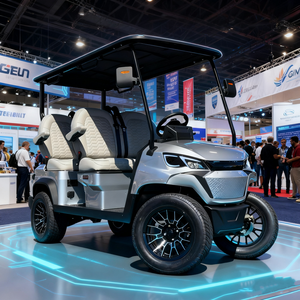
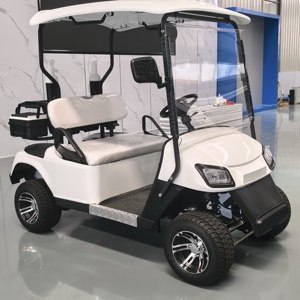
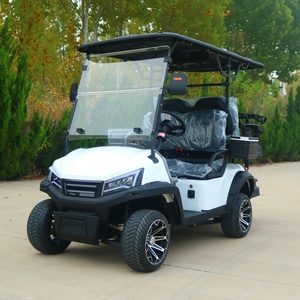
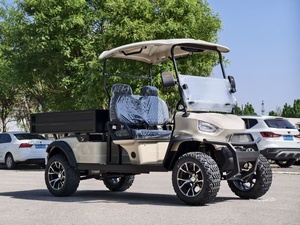
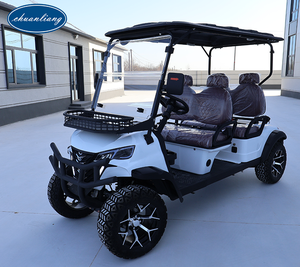
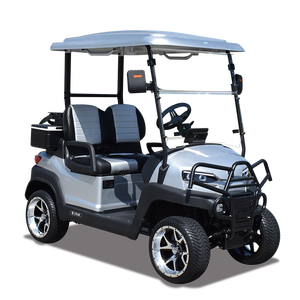
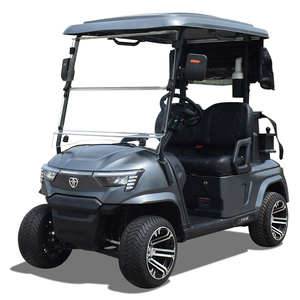
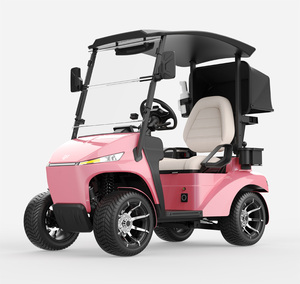
Industrial OEM Utility Vehicles Built for Berlin’s Urban Mobility Architecture
As the Federal Republic of Germany aggressively targets climate neutrality under the Climate Neutral Berlin 2045 initiative, commercial fleet managers, industrial park operators, and municipal agencies are accelerating the transition away from internal combustion engines (ICE). Modern urban logistics, last-mile intra-city delivery networks, event infrastructure management, and resort operations in the Berlin-Brandenburg metropolitan region demand specialized electric cargo and utility platforms capable of high operational availability, zero localized tailpipe emissions, and complete compliance with European Union safety standards.
Our direct-from-factory OEM/ODM manufacturing facilities specialize in engineering modular, heavy-duty commercial utility carts, passenger buggies, and low-speed electric vehicles (LSEVs). Designed around a hot-dip galvanized chassis philosophy, high-efficiency AC asynchronous powertrains, and high-energy-density LiFePO4 battery systems, our export fleet meets the precise mechanical, thermal, and electrical requirements specified by German procurement engineers.
Key Engineering Modules & Metallurgy Specs
Every vehicle leaving our OEM production lines undergoes rigorous structural analysis and hardware stress testing to ensure long-term mechanical resilience under continuous multi-shift operation.
Hot-Dip Galvanized Steel Frame
Constructed from high-tensile Q235B structural steel tubing. The entire frame undergoes automated welding followed by total immersion in molten zinc (hot-dip galvanization) to form an iron-zinc alloy protective layer that prevents corrosion from moisture, ice-melting chemicals, and coastal salts.
72V Brushless AC Drivetrain
Equipped with sealed, maintenance-free AC asynchronous induction motors paired with programmable Curtis/Toyota AC controllers. Delivers smooth regenerative braking, hill-descent control, high low-end torque for steep gradients, and up to 94% motor efficiency without carbon brush wear.
Automotive LiFePO4 Battery Systems
Features Grade-A Lithium Iron Phosphate cells with a minimum cycle life of 3,500 cycles at 80% Depth of Discharge (DOD). Integrated CAN-bus smart BMS provides real-time monitoring of cell voltages, temperature, overcurrent protection, and active balancing.
Technical Benchmark Matrix: OEM Cargo & Utility Buggies vs Standard Commercial Fleet Platforms
To assist technical directors and fleet engineers in Berlin when preparing tender specifications, the following comparison matrix details the physical and operational parameter superiority of our factory OEM output.
| Specification Parameter | Standard Commercial Golf Cart | OEM Cargo Buggy (72V Heavy-Duty) | OEM 4WD Utility Platform |
|---|---|---|---|
| Chassis Architecture | Painted / Powder-Coated Steel | Hot-Dip Galvanized ISO 1461 Steel | Reinforced Galvanized Monocoque Frame |
| Motor Output & Type | 3.7 kW DC Motor | 5.0 kW - 7.5 kW AC Induction | Dual Motor 4WD (5.0 kW + 3.0 kW AC) |
| Battery Voltage & Chemistry | 48V Lead-Acid Flooded | 72V LiFePO4 (Lithium Iron Phosphate) | 72V / 105Ah - 210Ah LiFePO4 Pack |
| Payload Capacity | 250 kg - 350 kg | 600 kg - 1,000 kg | 1,200 kg - 1,500 kg Heavy Load |
| Max Gradeability (Loaded) | 15% Slope | 25% Slope | 35% Slope (Off-Road / Rough Terrain) |
| Braking System | Rear Mechanical Drum Brakes | 4-Wheel Hydraulic Disc Brakes + Regen | 4-Wheel Hydraulic Disc + Electro-Magnetic Brake |
| Winter Heating System | None / Optional Cover | PTC Battery Heating + Enclosed Cabin | Integrated Cabin Heater + Battery Pre-Heater |
| Regulatory Homologation | Basic Factory Standard | CE Certified, EEC Road-Legal Ready | EEC / StVZO Homologation Package |
Localized Application Scenarios Across the Berlin Infrastructure
Berlin presents a unique urban landscape characterized by dense historic neighborhoods (*Kiez*), extensive parklands, sprawling industrial parks in Spandau and Marzahn-Hellersdorf, and major event hubs such as the *Messe Berlin* convention grounds. Each operational domain imposes specific challenges on low-speed utility vehicles.
1. Last-Mile Micro-Hubs & Parcel Logistics (Mitte & Friedrichshain-Kreuzberg)
Narrow inner-city streets, cobblestone thoroughfares, and strict pedestrian zone time-windows make full-sized diesel vans inefficient and restricted. OEM cargo carts fitted with enclosed aluminum box bodies allow logistics operators to shuttle parcels from urban micro-hubs directly to doorstep locations without noise or exhaust emissions.
- Zero-noise operation allowing early-morning deliveries before 06:00 (adhering to TA Lärm sound thresholds).
- Compact chassis width (1.2m to 1.4m) enabling easy navigation through bollards and narrow alleyways.
- Hydraulic 4-wheel disc brakes ensuring crisp stopping performance on wet cobblestones.
2. Industrial Intralogistics & Manufacturing (Spandau & Marzahn Parks)
Heavy manufacturing plants, chemical processing facilities, and automotive component suppliers require continuous indoor-outdoor transport of tooling, raw steel coils, and sub-assemblies across plant grounds.
- 1,000kg to 1,500kg towing capacity with heavy-duty rear hitch receivers and drop-side cargo beds.
- Zero indoor tailpipe emissions allowing seamless driving inside high-bay warehouses and clean production halls.
- Fast-charging LiFePO4 battery options enabling 30-minute opportunity charging during shift breaks.
3. Messe Berlin & Event Logistics Infrastructure
Covering 170,000 square meters of hall space, Messe Berlin requires rapid, quiet cargo movement during trade show setups and teardowns for events like IFA, Fruit Logistica, and ITB Berlin.
- Custom flatbed configurations fitted with side rails and strap tie-downs for moving AV equipment and staging.
- Non-marking rubber tires to preserve polished hall floors and sensitive exhibit decking.
- 2-seater and 4-seater passenger/utility hybrid models for VIP delegate shuttles and technical crew transport.
4. Municipal Green Space & Park Maintenance (Tiergarten & Tempelhof)
Public park management agencies maintaining Berlin’s vast green zones need lightweight vehicles that perform maintenance without damaging root structures or disturbing park visitors.
- Low ground-pressure turf tires preventing turf compaction on lawns and unpaved pathways.
- Hydraulic hydraulic tipping beds for effortless unloading of soil, organic waste, and landscaping materials.
- Optional roof-mounted solar PV auxiliary panels to extend daily runtimes during sunshine-rich summer shifts.
Berlin Market Trends & Total Cost of Ownership (TCO) Breakdown
The regulatory trajectory in Germany leaves no doubt: urban commercial transport is shifting permanently toward electric propulsion. Key market drivers in Berlin include:
- Expansion of Berlin Low Emission Zone (Umweltzone): Stricter entry parameters restrict conventional diesel utility platforms, favoring certified zero-emission battery electric vehicles (BEVs).
- Noise Protection Directives (TA Lärm): Nighttime and early morning operations in residential zones require sound power levels well below 50 dB(A). Electric AC motors operate under 42 dB(A), ensuring zero noise complaints.
- ESG Mandates for German Enterprise Buyers: Major corporate entities headquartered or operating in Berlin must audit their Scope 1 and Scope 2 emissions under EU sustainability reporting guidelines. Replacing diesel yard tractors with electric utility carts directly reduces Scope 1 carbon footprints.
Financial Model: 5-Year TCO Comparison (Diesel Transporter vs. OEM Electric Utility Buggy)
For fleet managers analyzing capital expenditure (CAPEX) versus operational expenditure (OPEX), our factory-direct OEM vehicles offer an unbeatable payback window, typically under 18 months of intensive daily operation.
| Cost Category (5-Year Horizon) | Standard Compact Diesel Utility Van | Factory OEM 72V LiFePO4 Cargo Buggy | Cost Savings Realized |
|---|---|---|---|
| Initial Purchase Price (CAPEX) | €32,000 - €38,000 | €9,500 - €14,000 (Factory OEM Export) | Save up to 65% upfront |
| Fuel / Energy Cost (per 10,000 km) | €1,850 (based on €1.75/L Diesel) | €340 (based on €0.32/kWh Grid Electric) | 81% lower energy expense |
| Scheduled Engine / Drivetrain Maintenance | €3,500 (Oil, filters, belts, DPF service) | €450 (Brake pads, gear fluid check) | 87% maintenance reduction |
| German Vehicle Tax & Emissions Fees | €800 - €1,400 | €0 (Zero-Emission Exemption) | 100% Tax Free |
| Estimated 5-Year Total Cost of Ownership | €45,550 | €13,190 | Net Savings: €32,360 per vehicle |
Factory-Direct OEM/ODM Engineering & Global Export Logistics
Ordering directly from our manufacturing facilities eliminates intermediary distributor markups while unlocking complete engineering flexibility. Whether your fleet requires specialized cargo box dimensions, custom hydraulic lifts, specific German warning light packages, or custom brand paintwork, our factory engineers manage the entire lifecycle from CAD modeling to port delivery.
Modular Cargo Deck Engineering
Choose between open aluminum flatbeds, fold-down side drops, enclosed lockable parcel boxes, insulated food-service containers, or trash-compactor bodies. All attachments feature quick-release mounting points for easy operational swaps.
Strict European Safety Compliance
Every exported unit undergoes 100% factory bench testing and dynamic track validation. Built to conform with CE directives, ISO 9001 quality management, and EEC low-speed vehicle homologation standards for public road usage.
Streamlined Logistics to Berlin via Hamburg
We manage complete containerized sea freight logistics directly to Port of Hamburg or Bremerhaven, with bonded transit customs handling and onward flatbed transport straight to your facility in Berlin-Brandenburg.
Frequently Asked Procurement Questions (Berlin Fleet FAQ)
Detailed technical answers addressing cold-weather operations, shipping container logistics, maintenance routines, and custom OEM ordering parameters.
Request Your Custom OEM Vehicle Blueprint & Export Quote for Berlin
Partner directly with an established electric vehicle manufacturer. Contact our engineering and export sales department today to receive full technical specification sheets, CAD layout options, and factory-direct pricing for your fleet requirement.
Contact Us