Factory-Direct Electric Mobility Cart Fleet
High-torque AC powertrains, corrosion-resistant chassis, and smart battery management engineered for severe Texas climates and commercial operation.
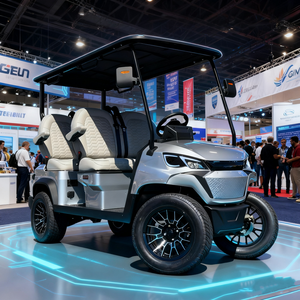
72V EEC Certified High Power Electric Golf Buggy (5kW/7.5kW Motor, Heavy Duty Chassis)
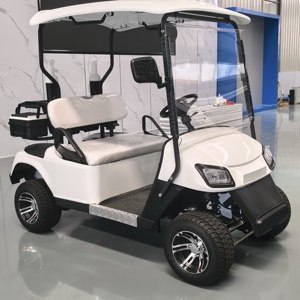
Heavy-Duty Off-Road Electric Golf Cart Buggy 3-4 Seats 60V 5kW CE Certified Steel Frame
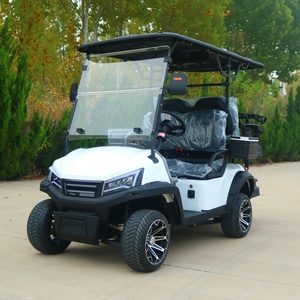
Street-Legal 4WD Electric Shuttle Cart 60/72V Lithium 6-Seater Sightseeing Vehicle
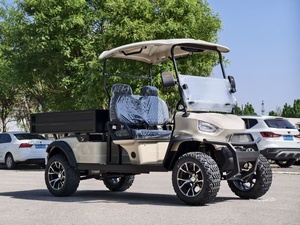
Sporty Lifted 2-Seater Electric Golf Cart for Rough Terrain, Farm & Beach Applications
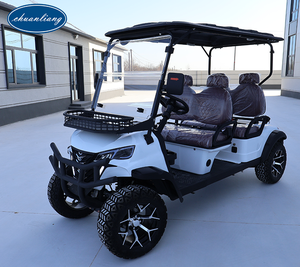
Customized 4-Seater Commercial Electric Buggy with LiFePO4 Lithium Pack for Resort Fleets
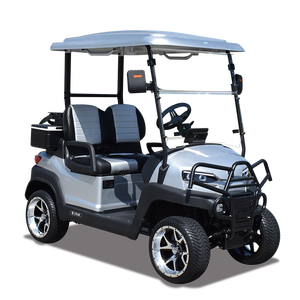
Compact 2-Seat Electric Mobility Cart with Lithium Battery, Sound System & Premium Lighting
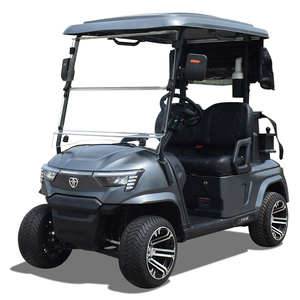
Industrial Electric Utility Mobility Cart with Cargo Bed & Custom Payload Configuration
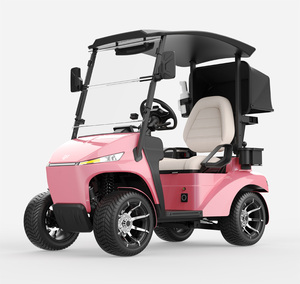
Single-Seat Compact Utility Mobility Cart with Quick-Charge System & CE Certification
1. Greater Houston Mobility Cart Market: Macro Dynamics & Industrial Demand
The Greater Houston metropolitan area—encompassing Harris, Fort Bend, and Montgomery counties—represents one of the fastest-growing commercial low-speed vehicle (LSV) and mobility cart markets in North America. Driven by dense industrial hubs along the Houston Ship Channel, sprawling healthcare complexes within the Texas Medical Center, and vast master-planned residential communities in Sugar Land, The Woodlands, and Katy, the demand for reliable, heavy-duty, zero-emission electric mobility carts has transitioned from luxury amenity to essential operational infrastructure.
Local industrial facilities and commercial property operators require mobility cart solutions that withstand Houston's extreme sub-tropical climate. With summer temperatures regularly exceeding 100°F (38°C), high relative humidity averaging over 75%, and corrosive saline air blowing inward from Galveston Bay, standard off-the-shelf golf buggies frequently experience early chassis rust, controller thermal throttling, and rapid lead-acid battery capacity loss. Procurement directors and facility engineers are increasingly bypassing local dealer intermediaries to partner directly with OEM mobility cart manufacturers capable of engineering custom fleets tailored to Texas operational stress profiles.
Information Gain Insight: Standard low-speed electric vehicles operating in Gulf Coast humidity experience frame oxidation up to 300% faster than inland deployments unless treated with hot-dip galvanization and marine-grade potted wiring harnesses compliant with IP67 ingress protection standards.
2. OEM Engineering Standards: Designing Carts for Severe Texas Conditions
As a specialized mobility cart manufacturer supplying global commercial sectors, our production lines implement strict structural and electrical engineering standards designed specifically for high-load, high-temperature environment performance.
A. Hot-Dip Galvanized Structural Frame & Chassis Construction
Unlike conventional painted mild steel tubular frames that rust from the inside out when exposed to humid Gulf Coast air, our heavy-duty mobility carts utilize high-tensile steel structural channels treated with full immersion hot-dip galvanization (HDG). This process creates a metallurgical zinc-iron alloy bond that provides sacrificial cathodic protection against coastal salt spray, industrial chemical splash, and standing rainwater accumulated during Gulf storms.
B. Thermal-Stabilized LiFePO4 Lithium Powertrains & Active BMS
Under Texas sun, blacktop asphalt temperatures frequently reach 140°F (60°C). Traditional flooded lead-acid batteries suffer severe electrolyte boil-off and grid plate degradation under continuous heat, while unmanaged lithium-ion packs risk thermal runaway or early BMS shutdown. Our Houston-grade mobility carts feature automotive-grade Lithium Iron Phosphate (LiFePO4) battery chemistry equipped with an integrated micro-controller Battery Management System (BMS). This system provides active cell balancing, over-temperature thermal cut-offs, and temperature-compensated charging profiles to preserve cell health across 3,500+ charge cycles.
C. High-Torque AC Brushless Powertrains with Regenerative Braking
Engineered with 5kW to 7.5kW enclosed AC induction motors paired with high-efficiency 48V or 72V controllers, our mobility carts deliver maximum torque at zero RPM. This ensures smooth acceleration while climbing parking ramps in downtown Houston garages, transporting 1,500 lb maintenance loads across energy refinery complexes, or shuttling 6 to 14 passengers continuously across vast corporate campuses.
3. Localized Application Scenarios Across Greater Houston
Our OEM mobility cart manufacturing platform provides custom body configurations, cargo decks, and passenger layouts engineered for five primary enterprise sectors in the Houston market:
Port of Houston & Industrial Complexes
Heavy-duty utility mobility carts equipped with drop-side aluminum cargo beds, amber strobe lights, and tool rack mounts used for intra-facility logistics, plant security, and turnaround maintenance across Baytown and Pasadena refining centers.
Texas Medical Center Campus Shuttles
Enclosed, climate-controlled 6-seater and 11-seater electric mini-buses providing quiet, zero-emission patient transportation between clinical towers, research labs, and parking structures across the world's largest medical complex.
Master-Planned Residential Communities
Street-legal LSV-compliant 4-seater and 6-seater mobility carts fitted with DOT windshields, seat belts, hydraulic disc brakes, and turn signals used daily by residents in The Woodlands, Sugar Land, and Towne Lake.
Golf & Country Club Operations
Luxury passenger carts featuring high-density foam contoured seating, solar panel auxiliary roofs, onboard Bluetooth sound systems, and turf-friendly pneumatic tires deployed across Premier Houston championship courses.
Galveston Bay Resort & Marina Corridors
Marine-spec mobility carts with anti-corrosive stainless steel hardware, UV-resistant vinyl upholstery, and lifted off-road suspension for salt-air beachfront resorts, yacht clubs, and coastal rental operations.
Energy Corridor Corporate Logistics
Customized utility flatbed carts utilized by facilities management teams across West Houston corporate headquarters for mail delivery, waste collection, IT equipment transport, and site security patrols.
4. Technical Matrix: OEM Mobility Cart Powertrains vs Texas Duty Cycles
Choosing the correct battery chemistry and voltage architecture is critical to minimizing Total Cost of Ownership (TCO) over a 5-year commercial fleet deployment in Houston:
| Architecture Spec | 48V Flooded Lead-Acid | 48V Standard Lithium | 72V High-Performance LiFePO4 | Solar-Hybrid LiFePO4 Platform |
|---|---|---|---|---|
| Usable Range (Full Load) | 25 - 35 Miles | 45 - 60 Miles | 65 - 85 Miles | 75 - 100+ Miles (Solar Boost) |
| Ambient Heat Tolerance | Poor (High Thermal Aging) | Moderate (BMS Throttling) | Excellent (Active BMS Cooling) | Superior (Shade + Continuous BMS) |
| Battery Cycle Life | 500 - 800 Cycles | 2,000 Cycles | 3,500+ Cycles | 4,000+ Cycles |
| Galveston Salt Air Rating | Standard Frame Corrosion | Galvanized Steel Frame | HDG Steel + E-Coated Frame | Full HDG + Marine Stainless Fasteners |
| Gradient Hill-Climb Torque | 12% Maximum Slope | 18% Maximum Slope | 25% Heavy Ramp Slope | 25% Continuous Ramp Torque |
| 5-Year Maintenance TCO | High (Watering/Repairs) | Low (Zero Watering) | Lowest (Minimal Brake Wear) | Lowest (Grid Electric Reduction) |
5. Strategic Mobility Trends Across Greater Houston Factories & Procurement Networks
As Houston solidifies its position as the global capital of energy transition, commercial real estate developers, factory operations leaders, and municipal managers are revising their low-speed vehicle procurement criteria. Four major macro trends are shaping cart specifications in the Houston market:
1. Texas LSV Street-Legal Compliance Standardization
Under Texas Transportation Code § 551.301, Low-Speed Vehicles (LSVs) capable of reaching speeds between 20 mph and 25 mph are permitted on public roads with posted speed limits of 35 mph or less. Houston fleet buyers are increasingly requesting factory-integrated safety packages—including FMVSS 209 compliant seat belts, AS-1 certified safety glass windshields with electric wipers, LED headlights/tail lights/turn indicators, rear view mirrors, and 17-digit VIN stamping—allowing mobility carts to transition seamlessly between private campuses and public municipal streets.
2. Solar Auxiliary Power Integration for Extended Daylight Shifts
With Houston experiencing over 204 sunny days per year, factory fleet operators are integrating roof-mounted monocrystalline solar panels connected to MPPT charge controllers. Solar-hybrid mobility carts continuously trickle-charge the main lithium pack during outdoor passenger shuttling and cargo transport, extending single-shift operating ranges by 15% to 25% while lowering facility grid electric costs.
3. IoT Fleet Telematics & Remote Diagnostics
Enterprise buyers managing multi-cart fleets across spread-out sites like the Texas Medical Center or ExxonMobil’s Spring campus require centralized visibility. Modern OEM mobility carts now incorporate CAN-bus GPS telematics modules that report real-time battery State of Charge (SOC), location tracking, speed limit geofencing, driver usage analytics, and automated fault code alerts directly to facility management dashboards.
4. Transition to Direct OEM Factory Supply Chains
Commercial procurement officers in Houston are moving away from local retail golf cart dealers who stock consumer-grade recreational vehicles. Factory-direct partnerships with specialized OEMs allow enterprise buyers to customize frame lengths, axle ratios, suspension valving, cargo boxes, and brand colors during factory assembly, while cutting middleman markup by 20% to 35% on volume orders shipped directly to Port of Houston terminals.
6. Factory Direct Capabilities & OEM Manufacturing Advantages
As a premier mobility cart manufacturer and direct exporter to Texas commercial sectors, our facility provides end-to-end custom engineering, manufacturing precision, and global supply chain support:
Modular Chassis Fabrication
Robotically welded high-strength steel chassis available in 2, 4, 6, 8, 11, and 14-passenger wheelbase lengths, as well as extended flatbed cargo platforms.
Rigorous QC & Salt-Spray Testing
Every vehicle undergoes 1,000-hour ASTM B117 salt-spray testing, high-pressure water deluge ingress testing, and full load 25% gradient testing prior to export packing.
Direct Container Shipping to Houston
Efficient containerized packaging (4 to 6 units per 40ft High-Cube container) shipped directly to Port of Houston Barbours Cut or Bayport Container Terminals with full customs support.
7. Frequently Asked Questions by Houston Fleet Procurement Managers
Answers to common technical, legal, and operational questions from commercial mobility cart buyers across Greater Houston, Texas:
Build Your Houston Enterprise Cart Fleet Direct from Factory
Consult with our engineering team to review CAD blueprints, battery sizing models, custom payload options, and factory-direct shipping timelines for your Houston facility.
Contact Us