Commercial Electric Shuttles & Airport Passenger Buggies
Engineered for high-frequency passenger transit, zero-emission indoor airport terminals, and rugged outdoor apron support operations.
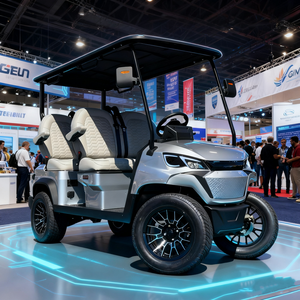
- System Voltage: 72V AC Powertrain
- Motor Rating: 5.0 kW - 7.5 kW Peak
- Chassis Build: Steel Frame / EEC Compliant
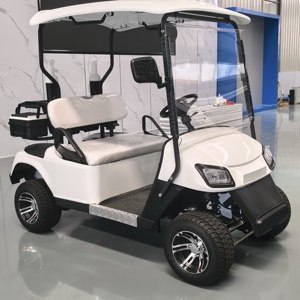
- Seating Capacity: 3-4 Passengers
- Drive Voltage: 60V High Efficiency
- Certification: CE Certified Standard
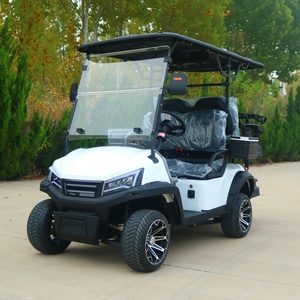
- Drive Train: 4WD Dual Motor System
- Battery Tech: 60V/72V Lithium Pack
- Capacity: 6 Passenger Seating
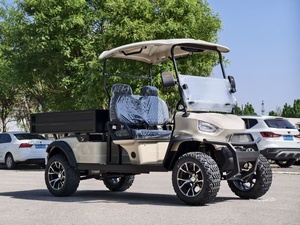
- Configuration: 2-Seater Sport Chassis
- Terrain Duty: Lifted Heavy-Duty Suspension
- Primary Use: Apron VIP & Maintenance
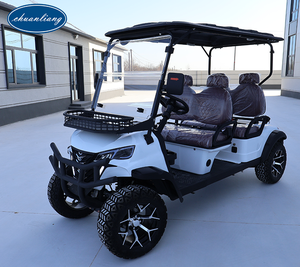
- Power Cell: LiFePO4 Lithium Battery
- Seating Layout: 4 Seats Forward/Reverse
- Application: Terminal & Resort Transit
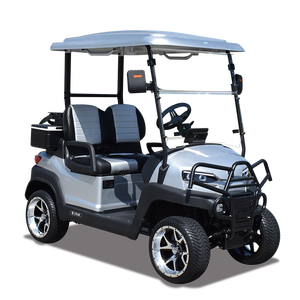
- Electronics: LED Lights & Audio System
- Motor: Brushless Quiet AC Drive
- Control: Programmable Controller
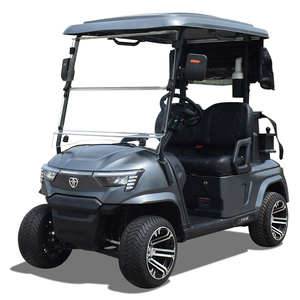
- Rear Deck: Aluminum Cargo Box / Flatbed
- Battery: Long-Cycle Lithium System
- Payload: 500+ kg Heavy Payload
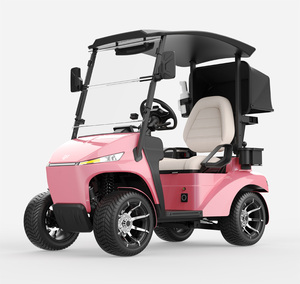
- Charging Speed: 2-Hour Quick Charge
- Footprint: Ultra-Compact Turning Radius
- Safety: CE Certified 4-Wheel Disc
Executive Summary: The Acceleration of Tokyo Airport Micro-Mobility
The Tokyo Metropolitan Area, anchored by Tokyo Haneda Airport (HND) and Narita International Airport (NRT), represents one of the densest civil aviation hubs in the Asia-Pacific region. As Japan advances towards strict carbon-neutral targets and zero-emission indoor airport standards, the demand for high-efficiency, electric airport shuttles, passenger buggies, and ground handling micro-mobility has reached unprecedented levels.
Modern airport operations require zero-emission low-speed electric vehicles (LSEVs) capable of continuous multi-shift operation across massive concourses, tarmac aprons, baggage handling corridors, and surrounding hotel transit routes. Achieving high uptime demands robust engineering: hot-dip galvanized steel frames to resist coastal salt ambient air in Tokyo Bay, advanced LiFePO4 battery chemistry with intelligent Battery Management Systems (BMS), high-torque AC brushless motors, and modular seating configurations ranging from 2-seater VIP conveyances to 14-seater high-capacity mini buses.
Industry Benchmark Insight
In high-density transit environments like Haneda Terminal 3 or Narita Terminal 2, fleet procurement officers prioritize total cost of ownership (TCO) over 5 years, requiring zero maintenance brushless AC motors, rapid DC charging capabilities, and strict compliance with Japanese Industrial Standards (JIS) and CE/EEC safety guidelines.
Top 10 Airport Shuttle Factories & Suppliers in Tokyo (2026 Procurement Guide)
When selecting an original equipment manufacturer (OEM) or local procurement partner in the Greater Tokyo and Kanto industrial zone, aviation authorities and ground logistics providers evaluate engineering depth, chassis corrosion protection, custom battery integration, and local service support. Below is the technical directory of the leading airport shuttle factories and key suppliers serving the Tokyo market.
Core Specialization: Modular 2 to 14-seater electric golf carts, passenger shuttles, solar-hybrid buggies, and heavy-duty airport utility flatbeds.
Technical Highlights: Hot-dip galvanized steel chassis, 48V/72V LiFePO4 traction batteries, sealed 5kW-7.5kW AC brushless powertrains, CE/EEC certification, and fully customizable body setups tailored for high-temperature and humidity resilience.
Core Specialization: Airside passenger transport buggies and terminal PRM (Persons with Reduced Mobility) carts.
Technical Highlights: Integrated ramp access, low-floor step design, customized 100V/200V AC Japanese grid chargers, and specialized indoor soft-polyurethane bumper systems.
Core Specialization: Heavy baggage towing buggies and apron ground support equipment (GSE).
Technical Highlights: Dual rear axle traction, high-torque regenerative braking, integrated tow hitch systems, and heavy steel frame reinforcement.
Core Specialization: Autonomous airport terminal shuttles and sensor-guided micro-buses.
Technical Highlights: LiDAR barrier detection, ultrasonic proximity sensors for crowded airport gates, and automated battery swap systems.
Core Specialization: VIP executive transfers and compact 2-4 seat luxury terminal buggies.
Technical Highlights: Custom hand-stitched marine leather upholstery, ultra-quiet hydraulic suspension, built-in digital display systems, and quick-charge lithium modules.
Core Specialization: Custom maintenance flatbeds and aircraft mechanic mobility buggies.
Technical Highlights: Integrated tool cabinet enclosures, onboard 110V AC invertor power, and anti-static rubber wheel assemblies for hangar safety.
Core Specialization: Marine-grade passenger shuttles for coastal airport environments.
Technical Highlights: Triple-coated anti-corrosion powder frames, stainless steel hardware, sealed IP67 motor enclosures, and solar panel roof integration.
Core Specialization: Standard 4-seater and 6-seater golf cart style terminal mobility platforms.
Technical Highlights: Lightweight aluminum alloy spaceframes, Curtis AC controllers, and modular battery bay configurations.
Core Specialization: Inter-terminal hotel connection buggies and vintage-styled passenger carriages.
Technical Highlights: Retro exterior styling over modern EV running gear, weather-enclosed side curtains, and high-capacity 72V lithium packs.
Core Specialization: Heavy payload cargo utility carts and catering logistics shuttles.
Technical Highlights: Hydraulic tipping cargo decks, 800kg load capacity, leaf spring rear suspension, and heavy-duty hydraulic disc brakes.
Localized Application Scenarios in Tokyo Aviation & Logistics Hubs
Deploying low-speed electric shuttles within Tokyo's infrastructure requires strict adaptation to local operating environments. Unlike standard golf course buggies, vehicles used in Japanese airport ecosystems face rigorous duty cycles, strict indoor air quality mandates, and specific space constraints.
1. Terminal Concourse & PRM Passenger Mobility (Haneda & Narita)
Indoor terminal navigation demands completely non-polluting powertrains with zero carbon monoxide emissions and near-silent operation (< 55 dB). Carts operating inside Haneda Terminal 3 must feature narrow track widths to navigate crowded security checkpoints while providing comfortable seating for elderly passengers or travelers requiring assistance. Smooth acceleration profiles governed by programmable AC controllers prevent sudden lurches in high-pedestrian zones.
2. Tarmac Apron & Baggage Logistics Loops
Outside on the tarmac apron, shuttles are exposed to severe seasonal weather—ranging from hot, humid Tokyo summers with coastal saltwater vapor to freezing winter winds. Vehicles equipped with EAYS Electrics' hot-dip galvanized chassis resist sub-frame rust and joint corrosion. Utility flatbeds transport air cargo crew, flight clearance personnel, and urgent loose baggage between gate stands and handling facilities.
3. Airport Perimeter Hotel & Odaiba Transit Corridors
The surrounding Tokyo Bay hotel cluster, connecting Haneda with Shinagawa and Odaiba, utilizes multi-seater shuttles (8 to 14 seats) for continuous guest transfers. These vehicles run on public street-legal registration protocols, requiring complete automotive lighting packages (high/low beam LED headlights, turn signals, horn, mirrors) and 4-wheel hydraulic braking systems.
Technical Benchmark: Battery & Powertrain Selection Matrix
A critical engineering decision for airport fleet managers is selecting between traditional Lead-Acid traction packs and modern Lithium Iron Phosphate (LiFePO4) chemistry. The data below outlines key operational metrics under typical Tokyo airport duty cycles:
| Engineering Spec | Standard Lead-Acid Pack | LiFePO4 Lithium System (EAYS Standard) | Solar-Hybrid Extended Lithium |
|---|---|---|---|
| Usable Battery Lifespan | 500 - 800 Cycles (approx. 2 years) | 3,500 - 5,000 Cycles (7+ years) | 4,000+ Cycles (Extended by roof PV) |
| Charge Time (0 to 100%) | 8 to 10 Hours (Requires overnight AC) | 2.5 to 3.5 Hours (Supports Opportunity DC) | Continuous Daylight Auxiliary Solar Trickle |
| Weight Efficiency | Heavy (Higher suspension wear) | 60% Lighter (Increases passenger payload) | 60% Lighter + Integrated PV Controller |
| Maintenance Duty | Bi-weekly Distilled Water Top-Up | Zero Maintenance (Sealed Smart BMS) | Zero Maintenance (Sealed Smart BMS) |
| Gradient Performance | Voltage sag under heavy ramp load | Constant voltage discharge on ramps | Constant voltage discharge on ramps |
Key Technological Trends Shaping Airport Mobility in Japan
As Tokyo reinforces its status as a top global travel hub, airport ground support and micro-mobility vehicles are undergoing rapid technological shifts:
Solar-Hybrid Roof Integration
Equipping passenger shuttles with high-efficiency monocrystalline solar panels built into the fiberglass canopy allows continuous trickle charging during outdoor apron operations. This solar assist reduces grid power consumption by up to 20-25% and extends daily operational range without requiring middle-of-shift plug-ins.
Regenerative AC Braking & Descent Control
Airports feature long parking garage ramps and underground utility tunnels. Advanced 72V AC motor controllers automatically engage regenerative braking during downhill descents, converting kinetic energy back into battery charge while significantly reducing mechanical brake pad wear and brake dust accumulation indoors.
Why Global Operators Choose EAYS Electrics
Combining heavy-duty automotive chassis engineering with factory-direct customization for international airport and resort logistics.
Galvanized Anti-Rust Frame
Every frame undergoes hot-dip galvanization, making it completely impervious to salt air, coastal humidity, and aggressive wash-down chemicals.
Custom Engineering & OEM
From 2-seat luxury VIP transports to 14-seat mini buses or luggage decks, we build exact seating, canopy, and branding configurations before production.
Global Compliance & Safety
Built under strict ISO9001 controls with CE and EEC certifications, featuring 4-wheel hydraulic disc brakes, seatbelts, and automotive glass windshields.
Frequently Asked Procurement Questions (Tokyo & Japan Market)
Below are essential technical and logistical answers for procurement managers planning fleet acquisitions in Greater Tokyo:
Q1: Can EAYS electric shuttles be charged on Japan's standard 100V / 200V AC grid?
Yes. All vehicles exported to Japan are supplied with dual-voltage intelligent onboard chargers configured for Japanese single-phase 100V household or 200V commercial AC power sockets with standard PSE-compatible plugs.
Q2: How do vehicles perform in cold Tokyo winter conditions?
Our LiFePO4 battery modules feature an integrated heating thermal management system inside the Smart BMS. This maintains optimal internal cell temperatures during sub-zero winter mornings, preventing capacity drop or voltage sag.
Q3: How many electric airport carts fit into a standard shipping container?
A standard 40-foot High Cube (40HQ) container typically holds 4 to 6 four-seater passenger buggies, or 2 to 3 high-capacity 11-seater mini buses, depending on roof canopy assembly options.
Q4: What routine maintenance is required for an electric airport fleet?
Lithium-equipped shuttles require minimal maintenance: monthly checks of tire pressure and brake fluid levels, and quarterly lubrication of suspension bushings. Motor brushes are eliminated entirely due to our sealed AC drive technology.
Q5: Can we brand the shuttle bodywork with our airport/hotel logos?
Absolutely. We provide factory-applied custom PPG automotive paint matching, vinyl decal wrap application, and embroidered logo headrests according to your brand guideline drawings prior to export packaging.
Q6: What spare parts support and warranty protection are included?
We provide a comprehensive 1-Year on-site/parts replacement warranty along with a fast-ship spare parts kit containing spare controllers, relays, brake pads, and LED light assemblies.
Build & Optimize Your Airport Shuttle Fleet Today
Consult with our senior EV application engineers to model your duty cycles, select custom seating options, and receive direct factory pricing for delivery to Tokyo Haneda, Narita, or global destination ports.