Commercial Electric Utility & Buggy Vehicles
Engineered for Nordic terrain, sub-zero battery efficiency, and rigorous commercial duty. Certified for EU & Norwegian road transport standards.
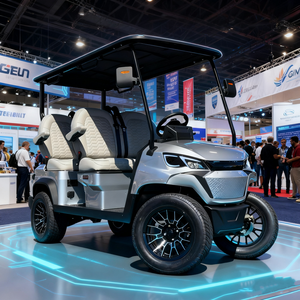
72V EEC Certified Electric Golf Buggy 5KW/7.5KW
- Motor: 5.0kW - 7.5kW High Torque AC
- Battery: 72V Heavy-Duty Lithium / Lead-Acid
- Chassis: Hot-Dip Galvanized Steel
- Cert: EEC L7e / CE Homologated
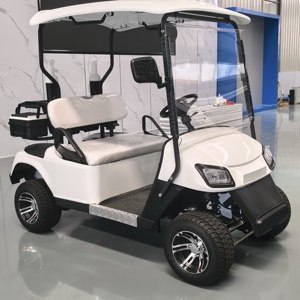
Electric Off-Road Golf Cart Buggy 3-4 Seats Steel 60V
- Motor: 60V 5kW Brushless Motor
- Terrain: Lifted Off-Road Suspension
- Capacity: 4 Passenger / Dual Utility
- Cert: CE Certified & EU Standard
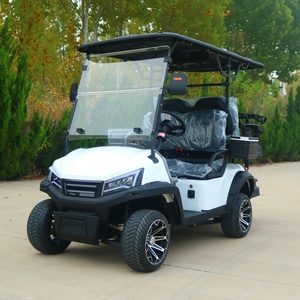
Street Legal 4WD Electric Golf Cart 6-Seater 60/72V
- Drivetrain: On-Demand 4WD System
- Power: 5000W AC Drive Motor
- Battery: High-Capacity LiFePO4
- Use Case: Resort Shuttle & Street Legal
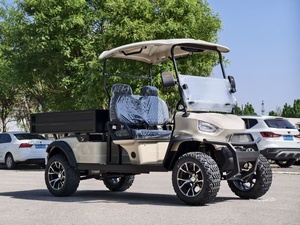
2-Seater Electric Lifted Golf Buggy for Farm & Rough Duty
- Chassis: Reinforced Steel Frame
- Clearance: High Ground Clearance
- Braking: Four-Wheel Hydraulic Disc
- Custom: Utility Cargo Box Compatible
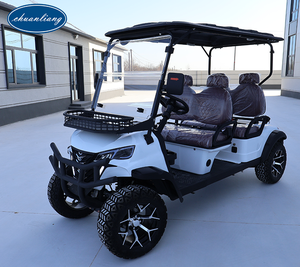
Customized 4-Seater Electric Resort Golf Buggy Lithium
- System: Smart BMS Lithium Pack
- Body: Injection Molded UV-Resistant
- Charger: On-Board Waterproof IP67
- Range: Up to 100 km per Charge
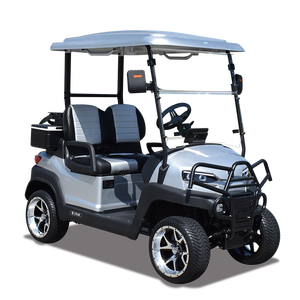
4-Wheel 2-Seat Electric Golf Cart with Bluetooth & Audio
- Lighting: Full LED Road-Legal Lighting
- Audio: Integrated Speakers & Display
- Battery: Fast-Charging LiFePO4
- Suspension: Independent Hydraulic
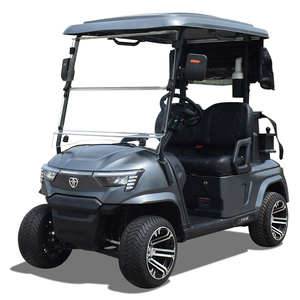
Customizable 2-Seater Electric Utility Cart with Bed
- Payload: 500 kg Heavy Utility Load
- Bed Type: Aluminum / Steel Drop-Side
- Motor: High-Efficiency AC Powertrain
- Control: Programmable Curtis/Sevex
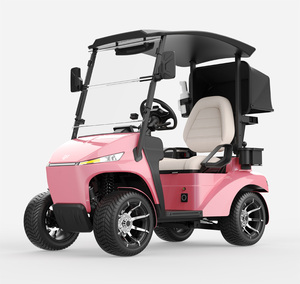
Single-Seat Personal Electric Golf Cart CE Quick-Charge
- Design: Ultra-Compact Footprint
- Charging: Quick-Charge AC Charger
- Mobility: Turf-Friendly Low-PSI Tires
- Safety: Automatic Electromagnetic Brake
Industry Whitepaper Executive Summary: Electrification of Utility Fleets in Norway
Norway stands at the global forefront of zero-emission mobility transformation. Driven by stringent national sustainability mandates from the Norwegian Ministry of Climate and Environment (Klima- og miljødepartementet) and localized municipal initiatives in Oslo, Bergen, Trondheim, and Stavanger, commercial operators are rapidly transitioning low-speed internal combustion engine (ICE) vehicles to pure electric powertrains.
However, exporting light commercial utility vehicles (UTVs), golf carts, resort passenger buggies, and municipal service carts to the Norwegian market demands engineering rigor far exceeding standard temperate-zone specifications. Procurement managers across Norwegian fjord resorts, alpine skiing complexes, municipal park authorities, industrial harbor logistics centers, and private island estates evaluate Chinese OEM suppliers through a strict E-E-A-T lens: Expertise in low-temperature battery chemistry, Experience with anti-corrosion materials, Technical compliance with Statens vegvesen regulations, and Reliable long-term warranty and spare parts backup.
Localized Application Scenarios across Norway's Micro-Climates
Utility vehicles operating in Norway encounter vastly different operational strains depending on geographic location. Chinese OEMs must tailor structural, electrical, and mechanical setups to match specific local operating demands:
1. Fjord & Coastal Hospitality Resorts
Deployments in Geiranger, Flåm, and Lofoten demand whisper-quiet passenger shuttles (6-8 seaters) capable of climbing 18%+ gradients while resisting coastal sea salt spray. Hot-dip galvanization is mandatory to prevent rust on chassis components.
2. Alpine Ski Resorts & Winter Parks
Operators in Hemsedal, Trysil, and Hafjell utilize heavy-duty 4WD electric utility carts equipped with enclosed, heated cabins and snow-tracks or high-grip winter tires for maintenance, guest luggage transport, and ski patrol support.
3. Municipal Green Space & Park Operations
Cities like Oslo (Green Capital initiative) enforce zero-emission zones for municipal equipment. Compact 2-seater electric utility carts with hydraulic tipping beds handle waste collection, landscape maintenance, and cemetery care seamlessly.
4. Archipelago & Car-Free Island Logistics
Islands such as Veierland, Sandøya, and Lindøya prohibit conventional passenger vehicles. Electric cargo carts serve as the primary lifeline for mail delivery, construction materials, grocery haulage, and residential mobility.
5. Maritime Shipyards & Harbor Logistics
In maritime industrial hubs like Ålesund and Haugesund, heavy payload (750kg+) utility carts facilitate rapid movement of tools, replacement ship parts, and engineering crews along long docks and indoor assembly dry docks.
6. Country Clubs & Golf Courses
Premier clubs (e.g., Oslo Golfklubb at Bogstad, Miklagard Golf) require low-ground-pressure turf tires, regenerative braking for hilly fairways, and solar-assist canopy roofs to maximize daily round productivity without damaging grass.
Norwegian Market Trends & Regulatory Compliance Standards (2024-2030)
Navigating the import and commercial operation of utility vehicles in Norway requires strict adherence to European Union directives adopted under the EEA (European Economic Area) agreement, as well as Norwegian national transport authorities (Statens vegvesen):
| Regulatory Framework | Target Classification | Technical & Compliance Requirement for Chinese OEMs |
|---|---|---|
| EEC Directive 168/2013 / EU Homologation | L7e-CU / T1b Heavy Quadricycle / Utility Tractor | Requires CE certification, certified seatbelts, ISO-compliant glass windshields, hydraulic braking circuits, dual-circuit lighting, and VIN stamping for Norwegian license plate registration (black/yellow plates). |
| Statens Vegvesen Road Safety Standards | Public Road / Municipal Operation | Integration of side mirrors, amber hazard beacons, audible reverse alarms, horn, handbrake lock sensors, and mechanical speed limiters capped at 25 km/h or 40 km/h depending on registration class. |
| ISO 1461 Hot-Dip Galvanization Standard | Chassis & Metal Structure Coating | Due to heavy application of liquid calcium chloride (road salt) in Norwegian winters, painted tubular steel chassis fail within 24 months. Leading exporters utilize hot-dip galvanization with a coating thickness of 65-85 µm. |
| EU Battery Directive 2023/1542 & Carbon Footprint | LiFePO4 Traction Battery Systems | Mandatory battery passport readiness, non-toxic electrolyte certification, BMS cell-balancing safety cut-offs, and compliance with UN38.3 transport safety testing for maritime shipping to Oslo port. |
Key Procurement Takeaway for Norwegian Fleet Buyers
- Always verify whether the Chinese exporter supplies true EEC L7e homologation certificates (CoC - Certificate of Conformity) if vehicles will cross or operate on public roads in Norway.
- Ensure the vehicle's onboard battery charger is rated for 230V / 50Hz single-phase AC with Type 2 or Schuko Norwegian ground connectors compliant with IT/TN-S electrical grid topologies.
- Confirm thermal insulation around battery compartments to prevent rapid freeze-thaw degradation during winter storage.
Engineering Superiority: What Distinguishes Top Tier Exporters
The manufacturing quality of Chinese electric utility vehicles has matured significantly over the past decade. Top-tier OEM manufacturers specializing in Nordic exports differentiate themselves through targeted engineering enhancements:
AC Powertrain vs. DC Brushed Motors
Modern export models utilize 48V/60V/72V sealed AC induction or Permanent Magnet Synchronous Motors (PMSM). Unlike older DC motors, AC powertrains provide maintenance-free operation, higher energy efficiency, and superior holding torque on steep slopes.
Smart Regenerative Braking System
Crucial for hilly Norwegian topographies. The motor controller automatically converts kinetic energy into stored electrical energy during downhill coasting, reducing brake shoe wear by up to 60% while extending shift operating range.
High-Strength Automotive Chassis
Utilizing robotic laser welding and high-yield structural steel tubing, chassis frames undergo anti-rust cathodic electrophoresis plus hot-dip galvanization to guarantee a 10-15 year structural service life in corrosive environments.
Custom Weatherproofing & Cabins
Optional full-enclosure cabins with marine-grade canvas or rigid polycarbonate doors, fitted with auxiliary diesel or electric warm-air heaters, ensure driver comfort during harsh Scandinavian winters.
Heavy-Duty Suspension Architecture
Independent MacPherson front struts combined with rear leaf springs and hydraulic shock absorbers deliver superior payload stability on unpaved gravel roads and rough farm terrain.
Modular Cargo Deck Configurations
Quick-interchangeable bed systems allow conversion between flatbed cargo platforms, drop-side utility boxes, enclosed toolboxes, or passenger bench seating within minutes.
Frequently Asked Questions: Norwegian Procurement & Technical Operations
Fleet Sizing & Specification Checklist for Norwegian Buyers
Before issuing a Request for Quotation (RFQ) to Chinese suppliers, technical procurement teams should evaluate and specify the following criteria to ensure complete operational alignment:
1. Gradient & Power Sizing
For flat terrain (resorts/warehouses), a 4kW to 5kW motor is sufficient. For alpine terrain or heavy payload duties (>500kg), specify a 7.5kW motor paired with a 72V system and 350A controller.
2. Battery Sizing & Shift Duty
For single 8-hour shifts, a 105Ah LiFePO4 pack provides 60-80 km of range. For dual-shift or continuous resort shuttle loops, select a 160Ah or 205Ah lithium pack with 2-hour fast charging support.
3. Frame Protection Class
Request written verification of Hot-Dip Galvanization (HDG) per ISO 1461. Avoid standard spray-painted steel if the vehicle will encounter coastal salt air or winter de-icing chemicals.
Request a Custom Utility Vehicle Quote for Norway
Speak directly with our export engineering team. We provide tailored technical datasheets, EEC compliance documentation, winter-pack options, and direct CIF sea freight quotes to any port in Norway.
Inquire Now