Osaka Mobility Industry Ecosystem: Technical Whitepaper
Evaluating Next-Generation Low-Speed Electric Vehicles (LSEVs) and Utility Transport Buggies for Kansai’s High-Density Hospitality, Industrial, and Port Infrastructure.
As the Kansai region undergoes a monumental transformation—driven by the upcoming World Expo 2025 on Yumeshima Island, the expansion of integrated mega-resorts, and massive smart-city decarbonization initiatives across Osaka Bay—the logistical requirement for reliable, zero-emission internal transport has reached an unprecedented high. Commercial operators, municipal authorities, and facility managers are transitioning away from internal combustion engine (ICE) utility carts toward engineered, heavy-duty electric transport buggies.
Navigating Osaka’s micro-climate—characterized by high summer heat and humidity, elevated salt-air corrosion in coastal port sectors (Nanko, Tennoji, Yumeshima), and high-frequency passenger throughput—requires electric buggies built to stringent structural and electrical standards. This technical whitepaper outlines how advanced electric transport buggies, manufactured with hot-dip galvanized steel frames, brushless AC powertrains, intelligent LiFePO4 battery management systems (BMS), and hybrid photovoltaic (PV) integration, deliver unmatched Total Cost of Ownership (TCO) and operational uptime for Osaka-based procurement directors.
Critical Procurement Takeaway for Osaka Fleet Managers
Standard painted steel chassis buggies deployed in coastal environments like Osaka Bay suffer structural frame rust and wiring degradation within 24 to 36 months. EAYS Electrics utilizes hot-dip galvanized chassis frames meeting ISO 1461 standards, combined with sealed IP67-rated AC drivelines, delivering a minimum 10-year structural design life even under saline coastal air exposure.
1. Localized Application Scenarios Across Osaka’s Core Sectors
Low-speed mobility in Osaka cannot be approached with a "one-size-fits-all" specification. Different urban, industrial, and commercial topographies dictate exact drivetrain power, turning radius, and battery chemistry setup:
Yumeshima & Resort Complex Hospitality
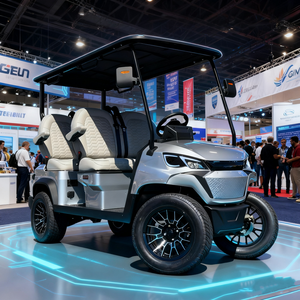
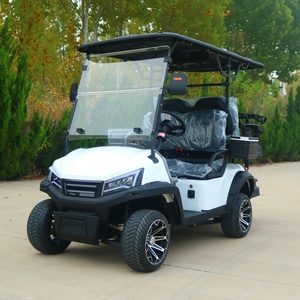
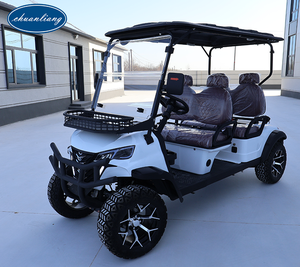
Multi-seat passenger buggies (4 to 14 seats) provide whisper-quiet guest shuttling across vast hotel complexes, luxury resorts, and event zones. Smooth leaf-spring/hydraulic suspension setups ensure zero-vibration rides over decorative stone paving.
Osaka Port & Nanko Industrial Warehousing
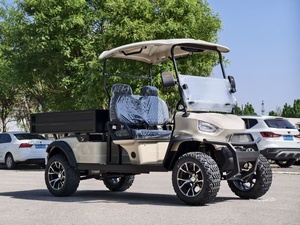
Heavy-duty utility carts equipped with reinforced drop-side aluminum cargo decks handle internal plant logistics, tool carrying, and heavy raw material movement across zero-emission indoor-outdoor facilities.
Campus & Healthcare Transport
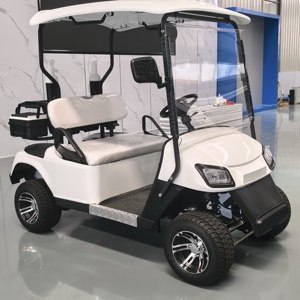
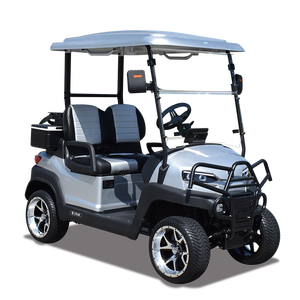
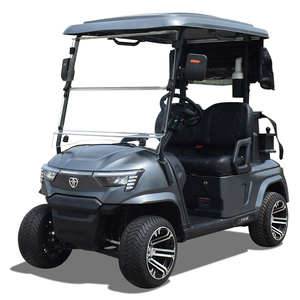
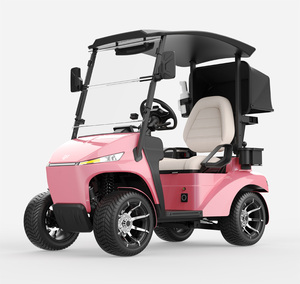
Compact 2-seater and single-seater vehicles permit swift, agile movement through narrow campus pathways at Osaka University, major municipal medical hubs, and public parklands without disturbing pedestrians.
2. Engineering Deep-Dive: Core Structural & Drivetrain Standards
To withstand intense continuous duty cycles, our transport buggy range incorporates precise mechanical and electrical components designed for maximum durability and low maintenance:
High-Torque Brushless AC Motors (5kW to 7.5kW)
Unlike brushed DC motors which experience brush wear, carbon dust buildup, and thermal overheating on continuous inclines, our vehicles utilize heavy-duty brushless AC induction and Permanent Magnet Synchronous Motors (PMSM). Coupled with high-efficiency Toyota / Curtis AC Controllers, these motors supply high instantaneous torque for starting on steep ramps (up to 30% gradeability) while maintaining superior energy conservation during constant-speed cruising.
Hot-Dip Galvanized Chassis & Corrosion Resistance
Osaka’s proximity to the sea demands superior anti-corrosion protection. Every structural chassis frame undergoes a multi-stage immersion process in molten zinc (hot-dip galvanization) compliant with ISO 1461. This creates a metallurgical bond that protects internal tubular cavities from rusting, even when exposed to high-humidity salt air, rain, and aggressive cleaning detergents.
Advanced Lithium Iron Phosphate (LiFePO4) Battery Integration
While traditional lead-acid traction batteries offer low initial capital expenditure, high-frequency operations in Osaka benefit immensely from LiFePO4 chemistry. Lithium batteries deliver 3,000 to 5,000 charge cycles at 80% Depth of Discharge (DoD), accept fast-charging during shift breaks without memory effects, and reduce vehicle operating weight by over 150 kg, translating to extended driving range and reduced brake wear.
3. Comprehensive TCO Matrix: Lead-Acid vs. LiFePO4 Drivetrains in Osaka Operations
Below is a comparative 5-year Total Cost of Ownership (TCO) evaluation based on a standard 4-seater guest shuttle operating 12 hours daily in a Kansai resort setting:
| Performance Metrics | Standard Lead-Acid Battery (48V) | Advanced LiFePO4 Lithium Pack (60V/72V) | EAYS Solar Hybrid Lithium Buggy |
|---|---|---|---|
| Initial Capital Outlay | Lowest | Moderate (+25%) | Optimal Long-term Value |
| Usable Battery Lifespan | 2 – 3 Years (approx. 700 cycles) | 6 – 8 Years (3,500+ cycles) | 7 – 10 Years (4,000+ cycles) |
| Daily Operating Range | 50 – 60 km | 80 – 100 km | 95 – 120 km (Solar supplemented) |
| Opportunity Fast Charging | Not Recommended (Thermal Damage) | Supported (0-80% in 1.5 Hours) | Supported + Daylight Auto Trickle |
| Maintenance Overhead | High (Distilled Water Topping, Terminal Cleaning) | Zero Battery Maintenance | Zero Battery Maintenance |
| 5-Year Estimated TCO Savings | Baseline | 32% Cost Reduction | 44% Cost Reduction |
4. Localized Macro Trends & Regulatory Integration in Osaka
The Kansai region is aggressively pushing toward the carbon-neutral goals set by Japan’s Ministry of the Environment. Major trends influencing vehicle procurement include:
- Strict Decarbonization Mandates: Commercial venues are required to track Scope 1 and Scope 2 emissions. Fleet electrification directly removes tailpipe emissions while utilizing solar panel charging to lower grid reliance.
- Acoustic & Noise Pollution Controls: Noise reduction in dense urban spaces, historic sites like Osaka Castle Park, and high-end residential quarters in Toyonaka or Suita requires completely silent EV drivetrains (<55 dB operating noise).
- Micro-Mobility Safety Compliance: Vehicles operating on private pathways or restricted road access zones must adhere to rigorous braking, stability, and LED lighting visibility standards to ensure pedestrian safety in high-density foot-traffic areas.
5. Enterprise Strengths of EAYS Electrics / Kanha Cart
As a premiere international manufacturer and supplier exporting high-spec electric buggies directly into Osaka and global markets, EAYS Electrics offers unmatched manufacturing and engineering customization abilities:
Full In-House Engineering & OEM/ODM
From custom seating layouts, custom body color paint-matching, enclosure curtains for winter comfort, to specialized drop-side or flatbed cargo configurations, our Bhiwani manufacturing center executes full end-to-end vehicle customization before container loading.
Stringent Quality Assurance
Every transport buggy undergoes dynamic hill-climb testing, 100% water-ingress rain tests, electronic controller insulation diagnostics, and chassis load stress testing before export approval.
Streamlined Logistics to Port of Osaka
We provide optimized container packing schemes (fitting 4 to 6 units per 40ft High Cube container), complete export documentation, custom tariff clearance guidance, and direct sea freight routes into the Port of Osaka.