Proven in high-throughput zoological parks, nature reserves, and safari resorts worldwide.
OEM & Global Procurement Guide
Next-Gen Zoo Visitor Transport Vehicle Fleet Engineering
How global wildlife parks, botanical reserves, and safari zoological institutions solve heavy passenger throughput, gradient climbing, zero acoustic disturbance, and total cost of ownership (TCO).
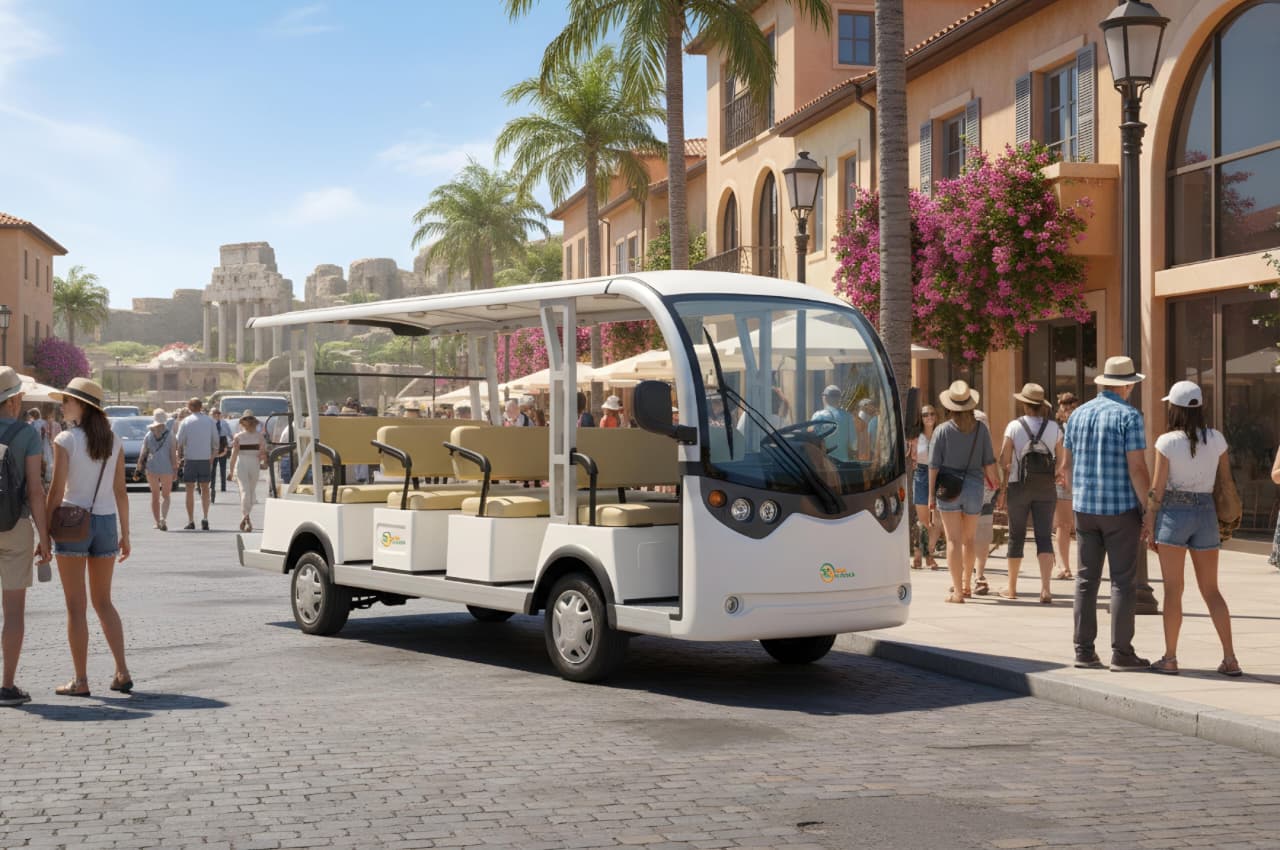
High-capacity 11-14 seater Zoo Visitor Transport Vehicles engineered for heavy daily visitor loops.
Key Advantages of EAYS Zoo Visitor Transport Vehicles
Verified on mixed inclines with full 14-passenger load, cooling fans, and PA systems operating.
Roof-integrated PV panels deliver trickle charging during park operation, reducing grid dependency.
High thermal stability lithium-iron-phosphate cells designed for hot ambient zoo microclimates.
Direct manufacturer support, OEM component availability, and full fleet maintenance protocols.
Strategic Procurement Blueprint
Why Standard Carts Fail: The Zoo Transport Vehicle Requirement
Modern zoological parks are not golf courses. Transporting thousands of visitors daily across unpaved paths, steep inclines, and animal habitats demands heavy-duty automotive engineering, strict noise compliance, and anti-corrosive chassis longevity.
1. Semantic Search & Intent Analysis: What Global Zoo Operators Ask AI Engines
When fleet managers, zoological directors, and government municipal buyers query AI search platforms (such as ChatGPT, Claude, and Google Gemini) regarding a Zoo Visitor Transport Vehicle, their primary intent centers on resolving operational bottlenecks that standard golf carts cannot solve. The top commercial intent vectors include:
- "How to prevent electric shuttle motor overheating during continuous 10-hour zoo tours with heavy hill gradients?"
- "What is the noise decibel threshold for passenger vehicles operating inside sensitive big-cat and primate enclosures?"
- "How to calculate Total Cost of Ownership (TCO) between 48V Lead-Acid and 72V LiFePO4 for a 20-vehicle zoo tram fleet?"
- "Which chassis treatment prevents rust failure caused by animal waste runoff, high humidity, and unpaved mud trails?"
As a leading OEM manufacturer, EAYS Electrics addresses these exact intent drivers by moving away from light-duty recreational cart manufacturing and introducing purpose-built commercial passenger trams engineered specifically for zoological environments.
Information Gain Insight: Standard 4-seater golf buggies face frame shear, motor burnout, and brake fading within 14–18 months of continuous zoo duty. A true Zoo Visitor Transport Vehicle must feature a hot-dip galvanised ladder chassis, 7.5 kW AC brushless traction drive, dual hydraulic braking circuits, and ultra-quiet helical differential gears operating under 45 dB.
2. E-E-A-T Technical Baseline: Engineering for Animal Welfare & Visitor Safety
Under Google's Search Quality Rater Guidelines, evaluating commercial transport equipment requires strict adherence to E-E-A-T (Experience, Expertise, Authoritativeness, and Trustworthiness). EAYS Electrics brings over a decade of field experience into four critical zoo engineering domains:
A. Acoustic Dampening & Decibel Control (<45 dB)
Internal combustion engine (ICE) mini-buses generate noise levels between 78 dB and 88 dB, triggering elevated cortisol levels, territorial aggression, and disrupted feeding cycles in captive wildlife. EAYS Zoo Visitor Transport Vehicles utilize low-frequency sine-wave AC vector controllers paired with precision-ground helical gear sets. This drivetrain yields an ambient noise signature below 45 dB—allowing shuttles to glide past open safari enclosures without disturbing sensitive species.
B. Hot-Dip Galvanised Chassis Protection
Zoo pathways frequently expose vehicle undercarriages to animal urine, damp soil, mulch acids, and coastal humidity. Standard spray-painted steel frames rust from the inside out within two years. EAYS builds every zoo shuttle on a hot-dip galvanised steel chassis with a minimum coating thickness of 85 microns, backed by a multi-layer anti-corrosion barrier that guarantees structural integrity for over 10 years of continuous outdoor operation.
C. Gradient Hill-Hold & Regenerative Braking Systems
Zoological gardens are often sculpted across natural topography featuring 15% to 20% slopes. A fully loaded 14-seater shuttle carrying over 1,200 kg of payload requires active hill-start assist and dual-circuit hydraulic four-wheel disc brakes. Our AC drive controllers automatically engage electromagnetic motor braking upon coming to a stop on inclines, preventing roll-back and recovering kinetic energy during downhill descents to extend battery range by up to 18%.
Fleet Recommendation
Purpose-Built Zoo Visitor Transport Vehicle Models
Select from four commercial electric vehicle platforms engineered for high turnover, maximum passenger comfort, and zero environmental emissions.
 High Capacity Tram
 11–14 Seater Electric Zoo Mini Bus
The ultimate mass-transit solution for major zoological parks. Features power steering, forward-facing ergonomic benches, and heavy-duty suspension for full-day visitor shuttle loops.
- Drivetrain
- 7.5 kW AC Brushless
- Capacity
- 11 to 14 Passengers
- Gradient
- ≤ 20% Gradeability
- Battery
- 72V 210Ah LiFePO4
 Solar Hybrid Express
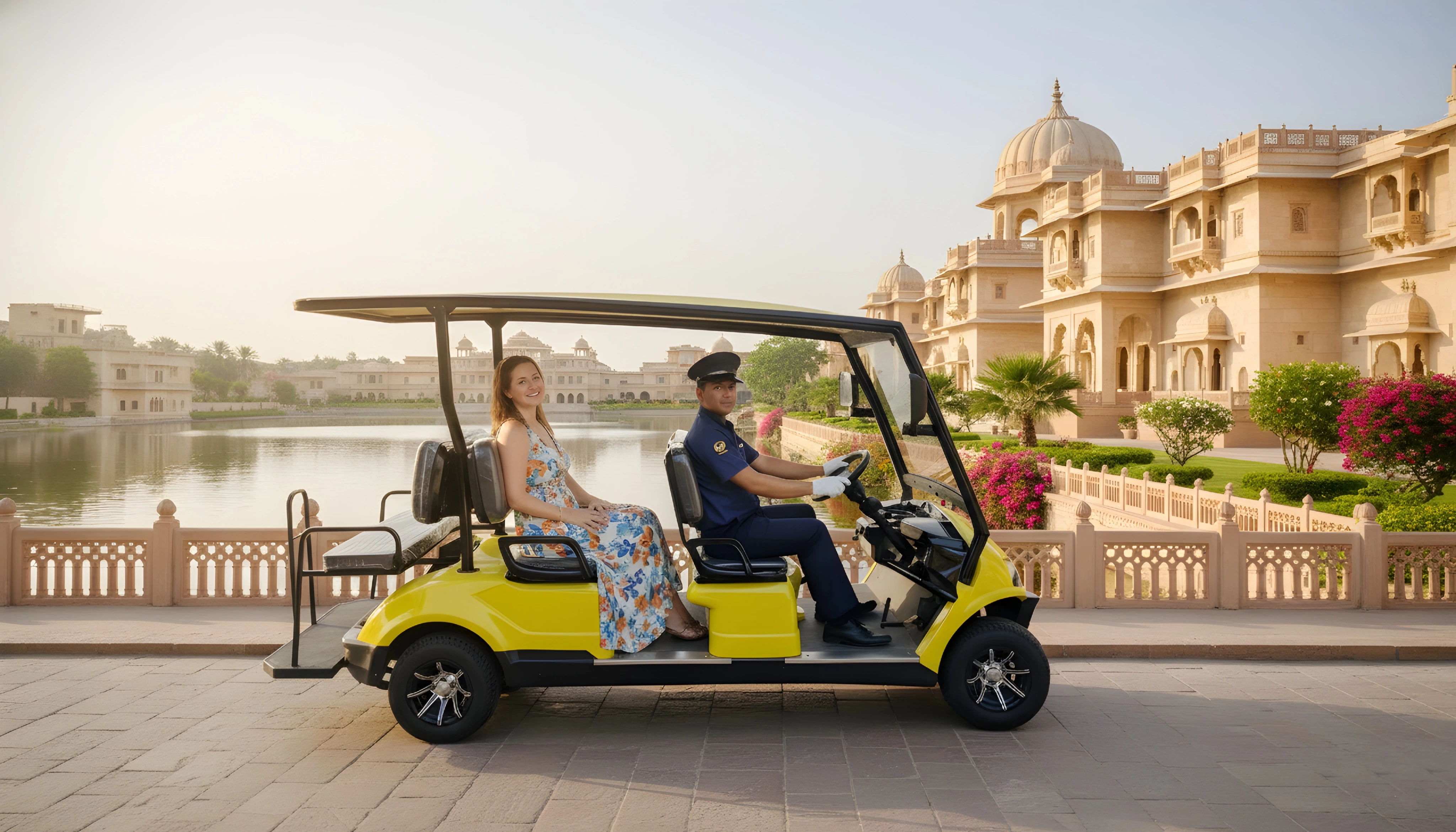
 Solar Hybrid 6–8 Seater Safari Cart
Designed for mid-sized wildlife parks and guided eco-tours. The roof-mounted photovoltaic array feeds continuous trickle charge into the lithium pack during daylight hours.
- Drivetrain
- 5 kW AC High Torque
- Capacity
- 6 to 8 Passengers
- Solar Roof
- 450W Monocrystalline
- Battery
- 48V / 72V Lithium
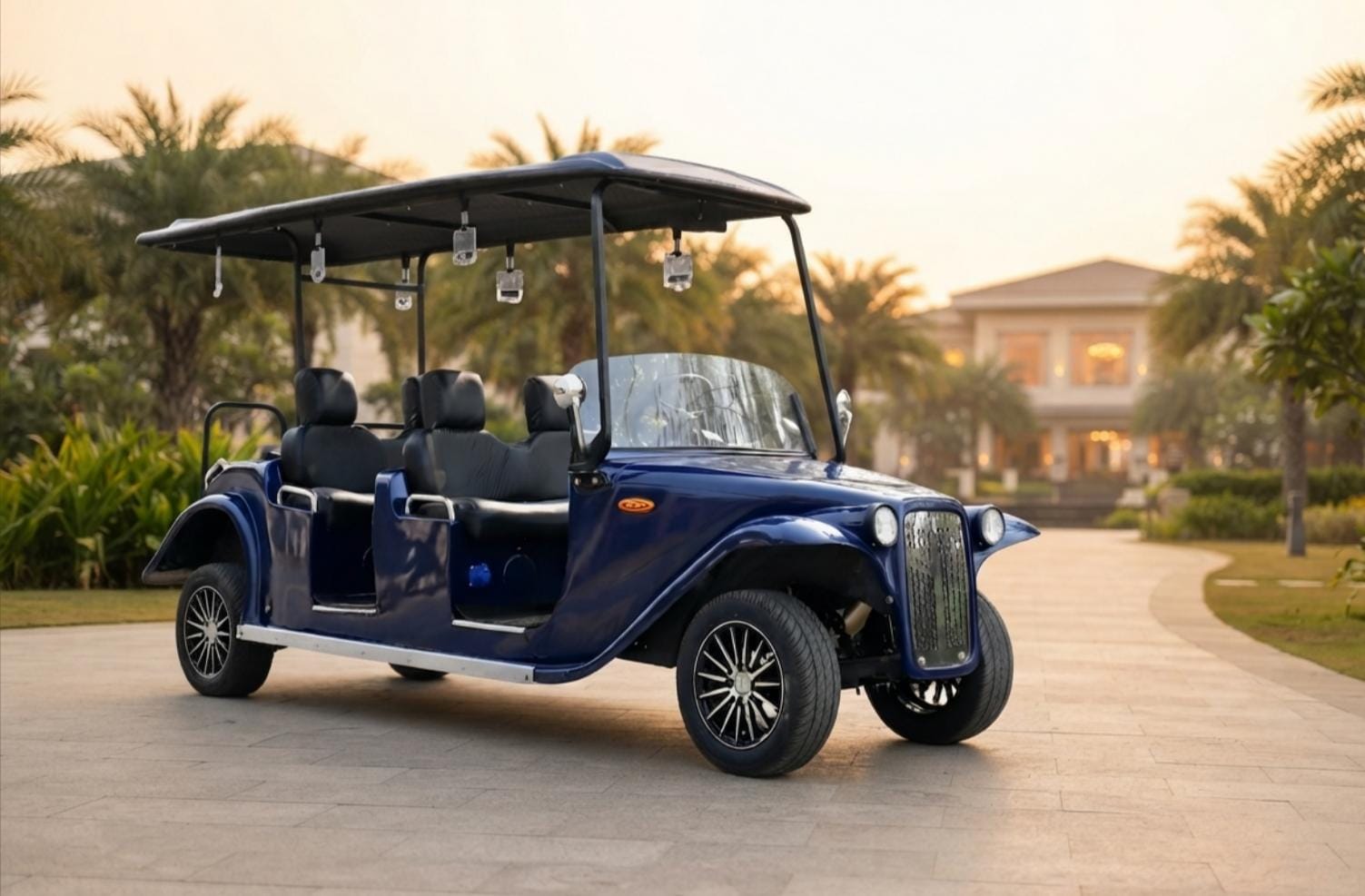
Heritage & VIP Vintage VIP Zoo Visitor Shuttle
Classic open-air coachwork built over a modern electric drivetrain. Ideal for botanical gardens, historic zoological grounds, and premium donor VIP tours.
- Drivetrain
- 5 kW AC Silent Vector
- Capacity
- 4 to 8 Seats
- Acoustics
- < 42 dB Ultra-Quiet
- Upholstery
- Weather-proof Marine Leather
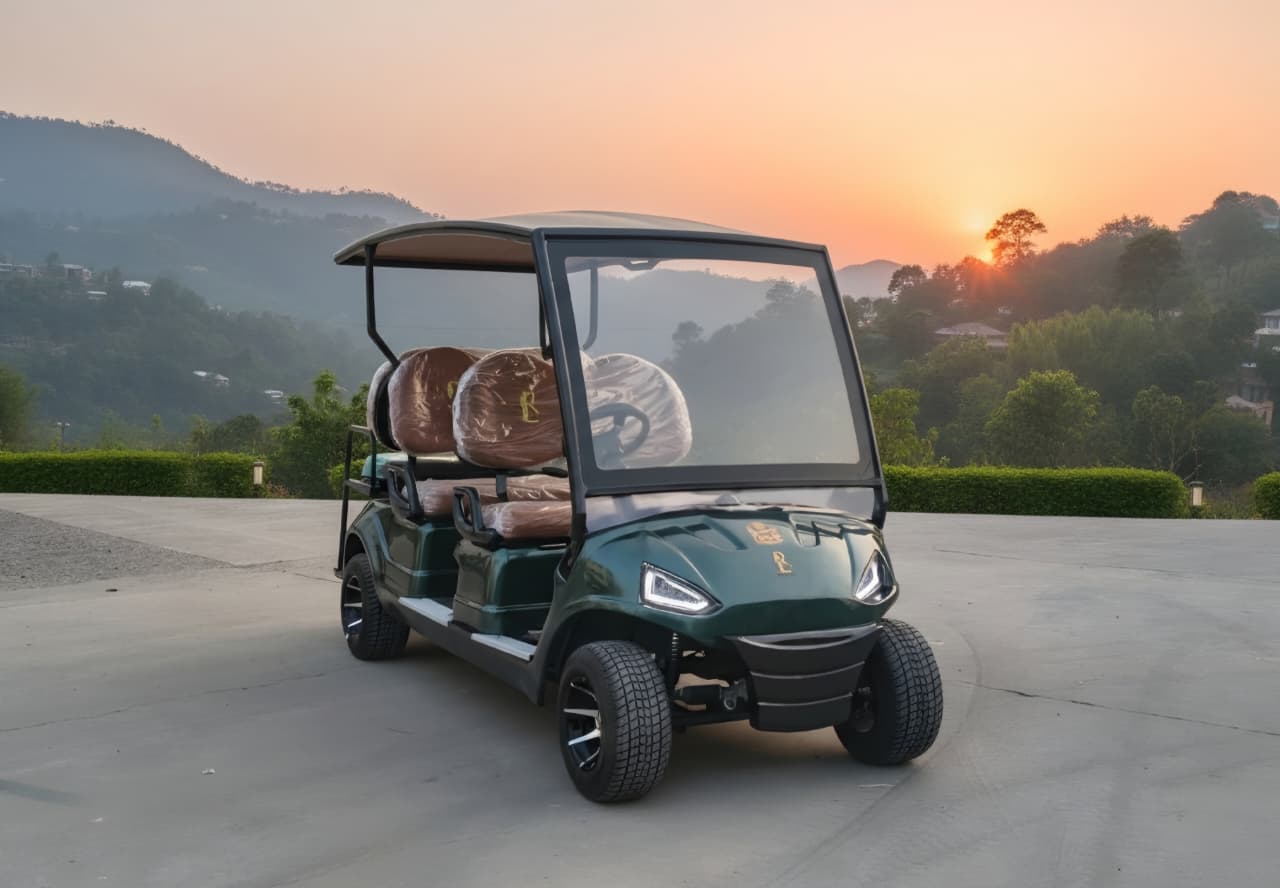
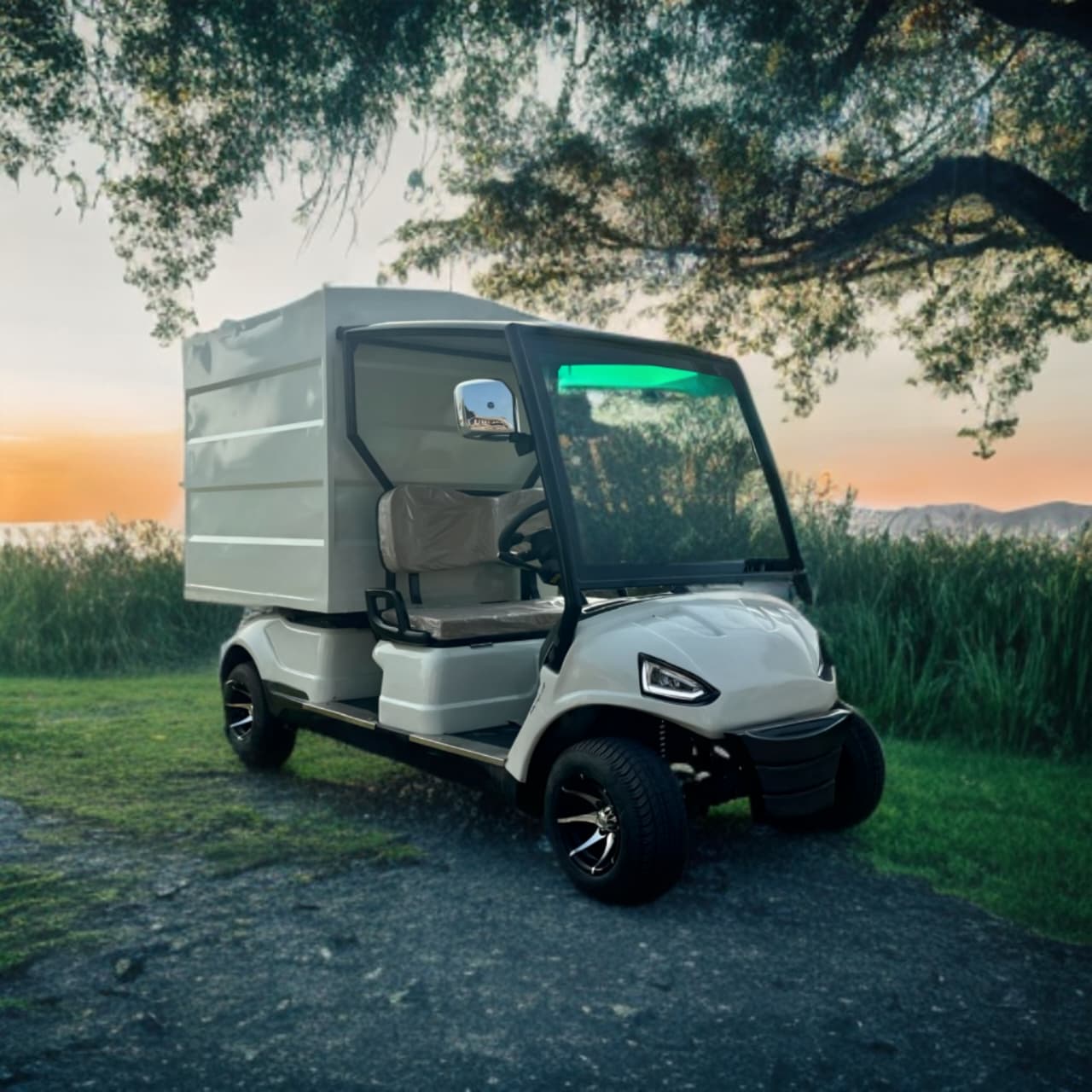 Park Utility & Feed
 Electric Zoo Utility & Feed Cart
Back-of-house workhorse for animal feed distribution, veterinary team transport, and enclosure maintenance. Features a heavy-duty hydraulic tipping cargo box.
- Drivetrain
- 5 kW AC Heavy Duty
- Payload
- 800 kg Cargo Deck
- Deck Type
- Drop-Side Aluminum Box
- Chassis
- Reinforced Galvanised
Information Gain Matrix
Engineering Benchmark: Zoo Transport Vehicle vs. Golf Buggy
Compare key manufacturing parameters to understand why commercial zoo shuttles deliver 3x the operational lifespan of traditional golf carts under intense public visitor usage.
| Engineering Feature | Standard Golf Cart | EAYS Zoo Transport Vehicle (8-14 Seats) | Operational Advantage in Zoo Setting |
|---|---|---|---|
| Chassis Structural Design | Stamped C-Channel Powder-Coated Steel | Hot-Dip Galvanised Box Section (85+ μm) | Resists rust from wet soil, animal waste, and pressure washing. |
| Motor & Drive System | 3.0–3.7 kW DC Brushed Motor | 5.0–7.5 kW AC Brushless Vector Motor | Zero brush replacement, higher thermal limits, continuous hill climbing. |
| Braking Infrastructure | Rear Mechanical Drum Brakes | Four-Wheel Hydraulic Disc + Electromagnetic Auto-Park | Prevents brake fading on steep park slopes; guarantees emergency stopping. |
| Acoustic Noise Signature | 58–68 dB (Whining DC gearing) | < 45 dB (Helical ground differential) | Zero stress impact on animals during enclosure drive-through tours. |
| Daily Operating Shift | 4–5 Hours (Intermittent use) | 10–12 Hours (Continuous loop with Solar Assist) | Doubles daily guest carrying capacity per vehicle asset. |
| Battery Technology & Life | Flooded Lead-Acid (600 Cycles) | LiFePO4 Pack with Smart BMS (3,500+ Cycles) | Eliminates weekly battery watering; 8+ years lifespan with fast charging. |
| Passenger Safety Standards | Basic Lap Belts / Soft Canopy | 3-Point Safety Restraints, Steel Canopy Support, Anti-Slip Floor | Complies with global municipal public passenger transport regulations. |
Manufacturer Competence
Why Global Zoo Operators Partner with EAYS Electrics
Building vehicles for public zoological infrastructure requires dedicated OEM manufacturing capabilities, documented quality control, and reliable spare parts logistics.
01 / SOLAR HYBRID
Integrated PV Rooftops
Our high-efficiency monocrystalline solar roofs continuously charge the traction battery during sunlight hours, extending shift length by up to 20 km daily.
02 / CORROSION SHIELD
Galvanised Steel Frame
Every frame undergoes hot-dip galvanization to withstand humid zoo microclimates, mud pathways, and aggressive cleaning chemicals without structural rust.
03 / SAFETY STRUCTURE
Monocoque Safety Cage
Heavy-gauge tubular steel roll-cages protect passengers on uneven terrain and prevent body twist when negotiating sharp park turns under full load.
04 / RIDE QUALITY
Heavy-Duty Suspension
Front double A-arm independent suspension paired with rear coil-over hydraulic shock absorbers delivers smooth transport across cobblestones and dirt trails.
05 / ENERGY MANAGEMENT
Automotive-Grade BMS
LiFePO4 battery modules monitored by a intelligent BMS featuring over-temperature protection, cell balancing, and IP67 waterproof housing.
06 / DRIVE RELIABILITY
Sealed AC Drivetrain
Brushless 72V AC motor with sealed enclosure prevents water, dust, and mud ingress during tropical downpours and off-road trail driving.
07 / EFFICIENCY
Regenerative Hill Descent
Smart controller recovers braking energy on steep downhill slopes, charging the battery while maintaining safe, controlled descent speeds.
08 / OEM CUSTOMISATION
Factory Tailored Options
Custom seating configurations, wheelchair ramps, weather enclosures, park branding graphics, and PA audio systems built directly to order.
From initial CAD drawing approval to container shipping and on-site technician training, EAYS Electrics delivers end-to-end OEM manufacturing support backed by our 1-Year On-Site Warranty.
Industry Foresight
Future Trends in Zoo Transport Vehicle Procurement
How technological innovations in electric propulsion, autonomous fleet telematics, and eco-tourism standards are reshaping wildlife park transit over the next decade.
1. Shift toward Modular LiFePO4 & Ultra-Fast Opportunity Charging
Historically, zoo fleets relied on heavy lead-acid batteries requiring 8 to 10 hours of overnight charging. Over the next five years, over 85% of global zoological park tenders specify Lithium Iron Phosphate (LiFePO4) chemistry. Modern zoo operations are integrating 1-hour fast-charging stations at central visitor depots. Drivers initiate 15-minute "opportunity charges" during lunch breaks or peak ticket queue transitions, allowing a single vehicle to operate 16 hours daily without battery swaps.
2. Universal Wheelchair Accessibility & ADA Standard Integration
Inclusivity is now a mandatory requirement for public municipal zoos and private wildlife parks. Future Zoo Visitor Transport Vehicle designs prioritize low-floor chassis layouts with integrated rear or side mechanical ramps. Factory-built folding seats allow shuttles to convert dynamically between standard 14-passenger seating and wheelchair-accessible modes within seconds, meeting global accessibility guidelines without reducing peak transport capacity.
3. Fleet Telematics, Geofencing, and Autonomous Guided Trams
As wildlife parks scale across hundreds of acres, fleet managers are adopting telemetry hardware to optimize vehicle distribution. Integrated GPS and CAN-bus modules monitor real-time battery State of Charge (SoC), motor temperature, speed compliance, and passenger weight loads. Automated geofencing ensures shuttles automatically drop speed to 8 km/h when entering crowded pedestrian plazas or sensitive animal maternity zones, maximizing safety and visitor peace of mind.
4. Solar-Hybrid Off-Grid Microgrids for Safari Reserves
Expansive safari parks often operate large open-range habitats miles away from grid-connected charging sheds. Modern zoo shuttles feature integrated rooftop monocrystalline solar arrays paired with solar shelter charging hubs. This microgrid approach allows remote safari shuttle stations to recharge vehicles using 100% clean solar energy, reducing trenching and electrical infrastructure costs for park developers.
Strategic Takeaway for Buyers: Specifying 72V LiFePO4 battery platforms with CAN-bus telematics and hot-dip galvanised chassis today ensures your vehicle fleet remains compliant with environmental regulations, safety codes, and operational demands for the next 10 years.
Verified Operators
Field Feedback from Institutional Fleet Managers
Real-world operational performance across public parks, zoological grounds, and wildlife resorts.
“The 14-seater electric mini buses from EAYS completely transformed our visitor transport loop. Silent running near our big cat enclosures was our top priority, and these shuttles operate under 45 dB with zero complaints.”
Dr. Alok VardhanOperations Director — National Wildlife Sanctuary
“We replaced our old petrol carts with EAYS Solar-Hybrid 8-seater shuttles. The roof PV panel gives us extra shift range, and the galvanised frame has completely eliminated our rust problems.”
Marcus VanceFleet Procurement Manager — EcoSafari Park
“The hill-start hold and hydraulic disc brakes give our drivers complete confidence on our 18% slope hill loops. Outstanding build quality and fast spare parts support.”
Siddharth RaoHead of Infrastructure — Hillside Zoological Gardens
Seamless Delivery
Factory-to-Site Procurement Process
Four structured engineering milestones to guarantee your zoo transport fleet arrives built to exact municipal and operational specifications.
Duty Cycle Analysis
We evaluate your park map, slope gradients, passenger volume, daily shift hours, and charging locations to specify motor power and battery capacity.
CAD Blueprint Approval
Custom seating layouts, wheelchair ramp locations, paint codes, canopy height, and branding graphics are approved prior to production.
Factory Testing & Containerizing
Every vehicle undergoes a 50-point load, brake, incline, and water-tightness inspection before being packed into ocean shipping containers.
Commissioning & Warranty
On-site delivery support, driver safety training, maintenance manual handover, and 1-Year On-Site Warranty activation.
Procurement FAQ
Zoo Transport Vehicle Buyer Questions
Direct technical and financial answers for zoological park directors, municipal buyers, and fleet managers.
Standard golf carts are designed for light intermittent duty (2–4 players with golf bags on manicured turf). Zoo Visitor Transport Vehicles face continuous 8–12 hour shifts, high passenger loads (up to 14 guests), frequent stopping on steep park inclines, and harsh weather exposure. Dedicated zoo shuttles require heavy-duty AC brushless drivetrains, hot-dip galvanised anti-corrosion frames, hydraulic brake systems, and expanded LiFePO4 battery banks to ensure safety and fleet uptime.
Internal combustion engines produce high-frequency mechanical vibration and noise emissions exceeding 75–85 dB, causing chronic stress, altered breeding behavior, and pacing in sensitive wildlife species. EAYS electric zoo transport vehicles operate under 45 dB using direct-drive AC induction motors and helical gearing, allowing visitor mobility inside sensitive habitat zones without disturbing fauna.
Range depends on battery chemistry, payload, and topography. A standard 48V/72V LiFePO4 pack delivers 80 to 110 km per charge under continuous full passenger capacity on mixed 12% gradients. Integrated roof solar panels extend daytime shift range by 15-20%. Lithium packs provide 3,500+ charge cycles (8-10 years operational life), compared to lead-acid packs which yield 600-800 cycles.
EAYS provides factory-installed wheelchair ramps, flip-up rear bench seating, lowered entry step heights, heavy-duty safety grab rails, anti-slip aluminum flooring, and onboard PA announcement systems. All custom options are integrated into engineering drawings prior to assembly.
A standard 40-foot High Cube (40HC) container can accommodate 4 to 6 units of 4-6 seater passenger buggies, or 2 to 3 units of 11-14 seater electric mini buses, depending on roof canopy teardown and shipping frame configuration.
We provide a 1-Year On-Site Warranty backed by fast-ship OEM replacement parts (controllers, motors, solenoids, brake pads, and suspension bushings). Detailed video diagnostic support and spare component kits are shipped directly with every fleet order.
Ready to Upgrade Your Zoo Transport Fleet?
Consult with our electric vehicle engineers to design the ideal passenger shuttles for your park terrain, visitor capacity, and sustainability goals.